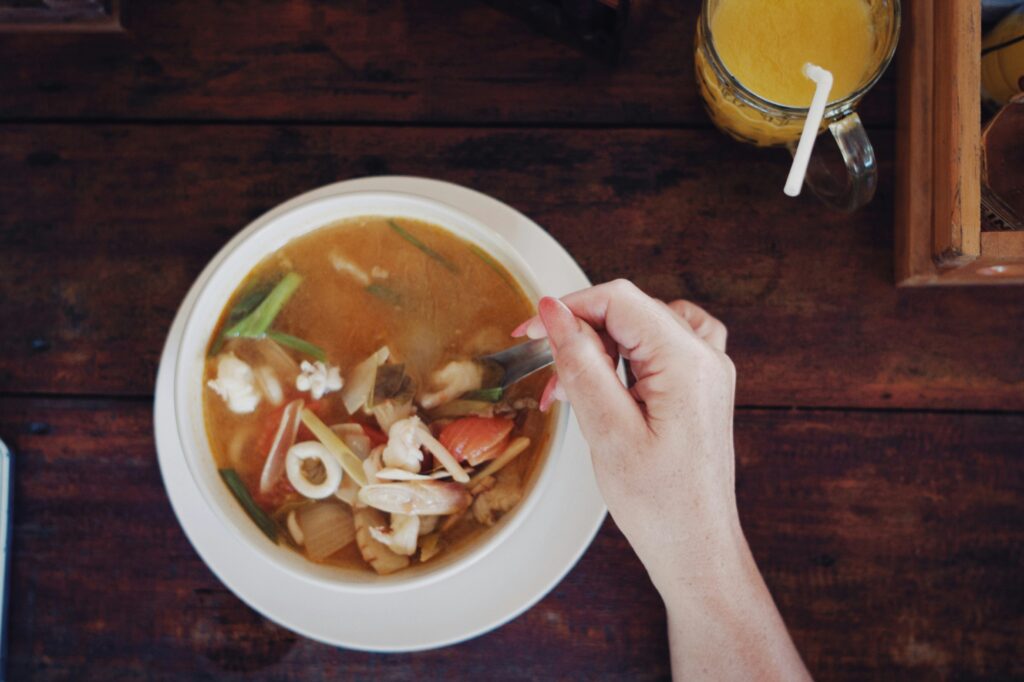
Collagen-Rich Foods (And the Vitamin C Detail That Decides If They Work)
You can eat every collagen-rich food and still come up short without one cheap thing on the plate. What the research says about building collagen from food.
Natural joint pain relief and inflammation support for women over 45. Discover anti-inflammatory foods, gentle movement strategies, and supplements that help ease morning stiffness and daily aches
You can eat every collagen-rich food and still come up short without one cheap thing on the plate. What the research says about building collagen from food.

Three brands, two years, no difference. Not because turmeric doesn’t work — because most supplements don’t deliver what the research uses.

Skin elasticity, morning joint stiffness, hair on the brush — these arrive together because they share a cause: collagen decline with estrogen.

Most curcumin supplements absorb poorly. The phytosome form is different. Here’s what Curcumitol-Q addresses, and who it’s most likely to help.

Collagen declines 1-1.5% a year after 40, faster with estrogen loss. Here’s what collagen peptide research shows for skin, joints, and bone.

The joint changes of perimenopause have a specific hormonal cause. Here’s what glucosamine, chondroitin, and boswellia research shows — and who it helps.

Morning stiffness after 45 isn’t what you think it is. Here’s the real mechanism — and why the first ten minutes aren’t the verdict on your day.
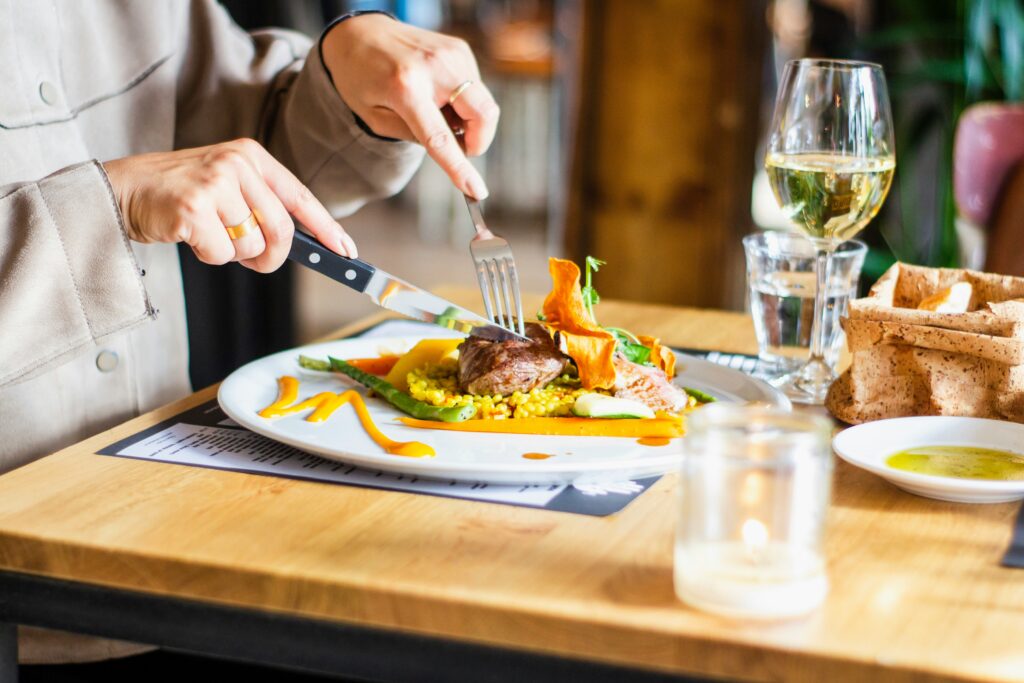
Do anti-inflammatory foods really ease joint pain after 45? Here’s what the research says — and what it can’t do for you.

Bone loss starts years before menopause — and the supplement research is more specific than most advice suggests. Here’s what the evidence shows.

What turmeric actually does for joint pain, why standard supplements often fall short, and the bioavailability question.
