The moringa vs. turmeric debate matters less when you’re staring at two supplement bottles at 2 PM, trying to figure out which one might actually help you function through dinner. Both promise anti-inflammatory benefits. Both show up in every “natural fatigue remedy” article you’ve read. Neither one clearly explains what they do differently—or why that difference matters for the specific exhaustion you’re experiencing.
Here’s what actually separates them: Turmeric excels at reducing localised inflammation and pain. Moringa addresses the broader metabolic dysfunction that drives fatigue in women experiencing hormonal shifts. Understanding this distinction helps you choose based on your body’s actual needs rather than marketing claims.
By the end of this article you’ll know exactly which one maps to your specific symptoms — and why the one that didn’t work before wasn’t a failure of the approach, just a mismatch of mechanism.
What Inflammation Actually Does to Your Energy
Before comparing these supplements, you need to understand why inflammation causes fatigue in the first place—because it’s not the obvious “inflammation equals pain” connection.
Inflammation triggers your immune system to release cytokines—messenger proteins that signal other cells about threats. Short-term, this works perfectly. Long-term elevation of inflammatory cytokines creates what researchers call “sickness behavior”: fatigue, reduced motivation, difficulty concentrating, and increased need for sleep.
Your brain interprets elevated cytokines as a sign of infection or injury and deliberately conserves energy for healing. This made evolutionary sense when inflammation meant you were fighting off a pathogen. It makes life miserable when chronic low-grade inflammation from gut dysfunction, blood sugar instability, or hormonal shifts keeps those cytokines elevated for months or years.
Women experiencing perimenopause and menopause face unique inflammatory challenges. Declining estrogen increases production of pro-inflammatory cytokines while reducing anti-inflammatory signals. Research published in Menopause shows postmenopausal women have significantly higher baseline inflammation markers compared to premenopausal women—even when controlling for age, weight, and lifestyle factors.
This is why the fatigue feels different than being tired from lack of sleep. You’re not just depleted—you’re being actively signaled by your own immune system to conserve energy.
This is the context that makes the comparison meaningful. Both turmeric and moringa reduce inflammation — but they enter the cycle at completely different points. Understanding where each one intervenes is what tells you which one your body actually needs.
How Turmeric Works (And What It’s Best For)
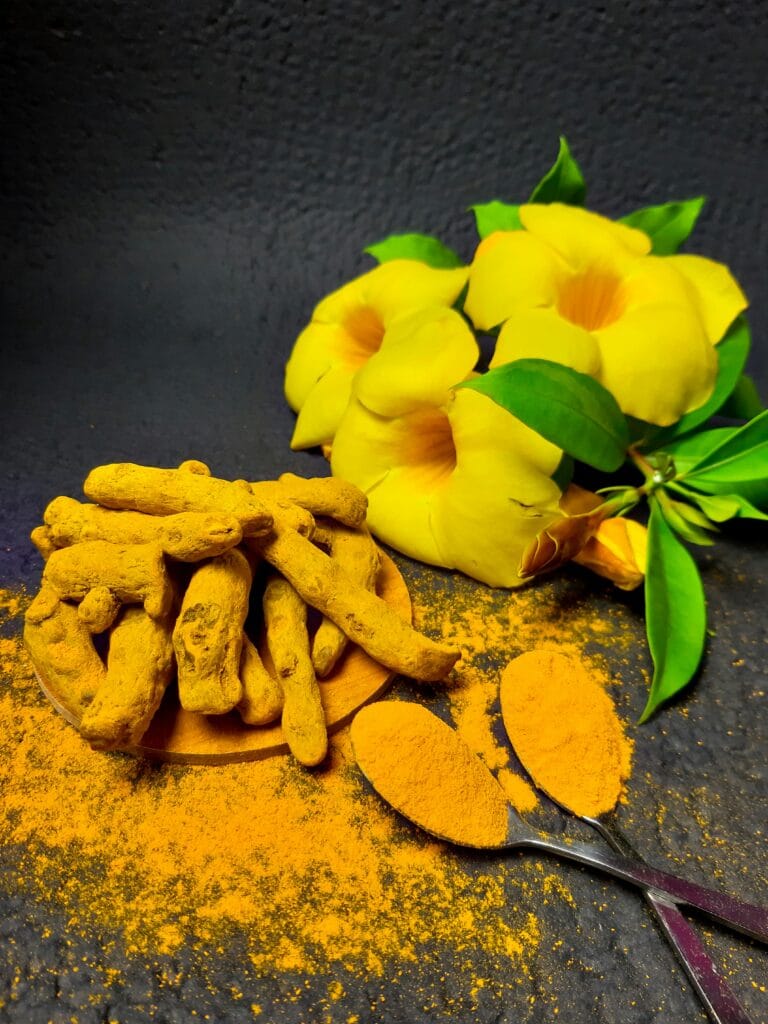
The research on curcumin is extensive: Studies show it reduces inflammatory markers, particularly C-reactive protein (CRP), and provides measurable pain relief for conditions like osteoarthritis and inflammatory bowel conditions. If you’re experiencing joint pain alongside fatigue, turmeric directly addresses that discomfort.
Turmeric contains curcumin—a compound that inhibits several inflammatory pathways, particularly COX-2 and NF-κB. These pathways drive inflammation in joints, tissues, and the gut lining. The Arthritis Foundation’s review of curcumin research confirms its anti-inflammatory and pain-reducing effects — and notably, acknowledges the bioavailability limitation that makes dosing and formulation the deciding factor in whether it works.
But here’s the limitation: Curcumin primarily reduces existing inflammation. It doesn’t address the metabolic factors that create inflammation in the first place—unstable blood sugar, oxidative stress in your mitochondria (the cellular structures that produce energy), or nutrient deficiencies that impair cellular function.
Think of turmeric as putting out fires that are already burning. It works—research confirms this—but it doesn’t stop new fires from starting.
Bioavailability is turmeric’s second major limitation. Your digestive system absorbs curcumin poorly. Most turmeric supplements address this by adding black pepper extract (piperine), which increases absorption up to 2000%. Without this enhancement, you’re absorbing maybe 1% of the curcumin you consume.
This matters for fatigue specifically: If inflammation is secondary to another issue (like blood sugar instability or gut permeability), reducing inflammation symptoms without addressing root causes means you’ll need continuous supplementation to maintain any energy benefit.
Turmeric is genuinely effective — within its lane. The question is whether your fatigue lives in that lane. For most women with menopause-related exhaustion, it doesn’t — which is where moringa’s completely different mechanism becomes relevant.
How Moringa Works (And Why It Targets Metabolic Fatigue)
Moringa takes a fundamentally different approach. Rather than primarily blocking inflammatory pathways, moringa provides concentrated micronutrients and compounds that support the metabolic processes that prevent inflammation from developing.
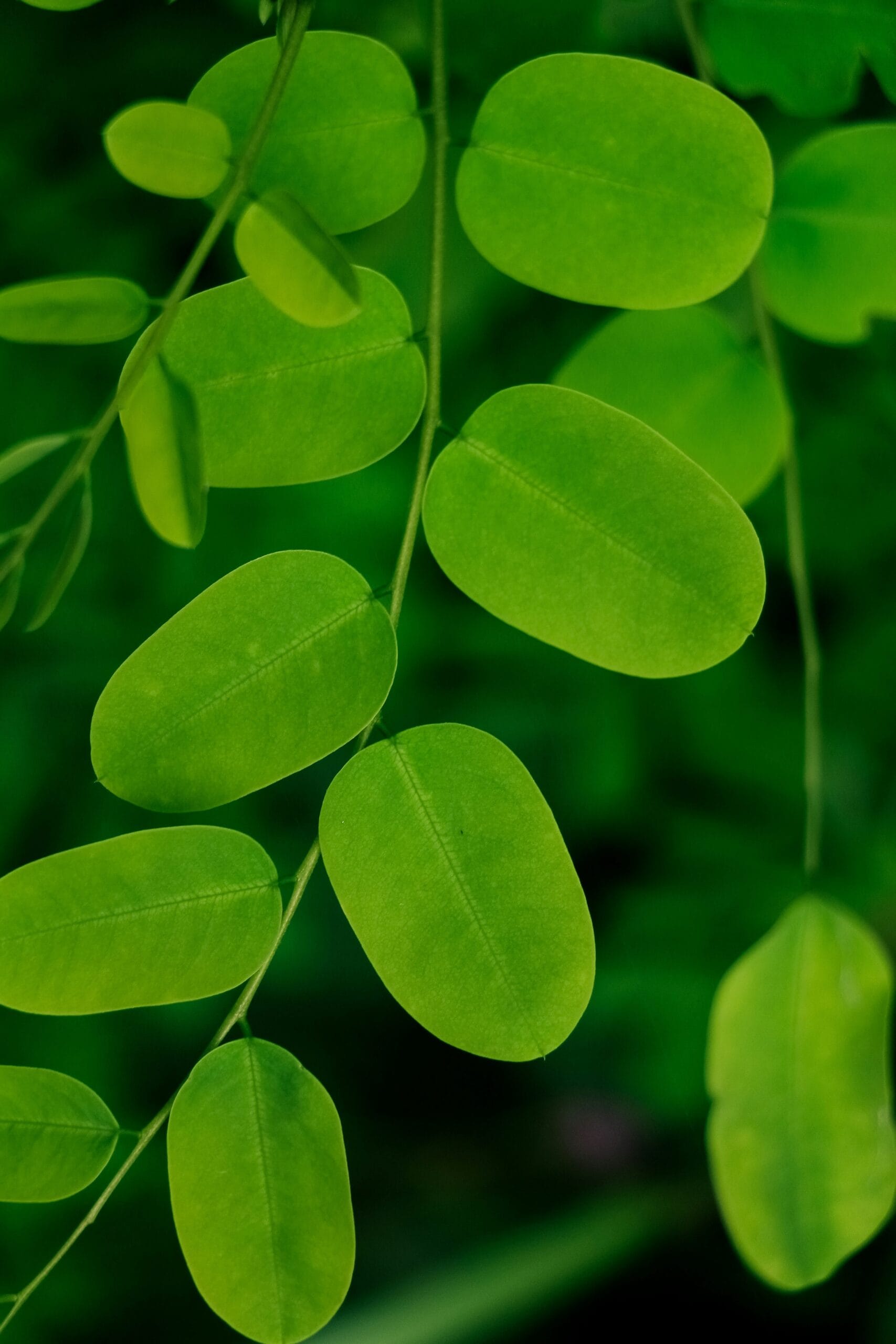
Moringa leaf contains unusually high levels of:
Vitamin A (as beta-carotene): Essential for cellular energy production and immune regulation. Deficiency increases inflammatory responses and impairs mitochondrial function.
Iron: Critical for oxygen transport and cellular respiration. Low iron directly causes fatigue by reducing oxygen availability to tissues. Moringa provides plant-based iron with vitamin C to enhance absorption.
Calcium and magnesium: Both required for hundreds of enzymatic reactions, including those that produce ATP (your cells’ energy currency). Magnesium deficiency, common in perimenopause, increases inflammation and impairs energy metabolism.
B vitamins: Particularly B2 (riboflavin) and B6, both essential cofactors in converting food to usable energy. Deficiencies here cause fatigue regardless of inflammation status.
Isothiocyanates: Unique compounds that activate Nrf2 pathways, increasing your body’s production of its own antioxidants rather than just providing external antioxidants. This creates sustained protection against oxidative stress that damages mitochondria.
This nutrient density addresses what researchers call “metabolic fatigue”—exhaustion caused by impaired cellular energy production, not just inflammation signaling. If you’re experiencing afternoon crashes, brain fog, and exhaustion that doesn’t improve with rest, you’re likely dealing with metabolic dysfunction alongside inflammation.
Research published in Phytotherapy Research found that moringa supplementation improved energy metabolism markers and reduced oxidative stress in perimenopausal women. The NIH’s National Center for Complementary and Integrative Health maintains an active review of moringa’s evidence base — worth bookmarking if you want to track how the research evolves—effects that persisted even after supplementation stopped, suggesting it was supporting underlying metabolic function rather than just suppressing symptoms.
The Blood Sugar Connection (Where Moringa Pulls Ahead)
Blood sugar instability is one of the most underrecognised drivers of menopause fatigue — and one of the clearest signals that moringa is the more relevant choice. The gut connection runs parallel to this, and it follows the same logic.
Here’s where the difference becomes critical for menopause-related fatigue: blood sugar instability.
Declining estrogen during perimenopause reduces insulin sensitivity — a change the Menopause Society documents clearly as one of the core metabolic shifts of the transition, explaining why blood sugar management that felt effortless in your thirties becomes a daily challenge in your forties and fifties. Your cells become less responsive to insulin’s signal to absorb glucose from your bloodstream. This creates blood sugar volatility—energy spikes followed by crashes that leave you exhausted, irritable, and craving carbs.
Moringa contains compounds that improve insulin sensitivity and slow glucose absorption after meals. Studies show moringa leaf powder reduces post-meal blood sugar spikes by 13-29% depending on the dose—comparable to some diabetes medications.
Turmeric has some blood sugar benefits, but they’re modest compared to moringa. Curcumin primarily reduces inflammation caused by high blood sugar rather than preventing the blood sugar elevation itself.
If your fatigue follows a predictable pattern—okay in the morning, crashing after lunch, desperate for something sweet by 3 PM, exhausted by evening—blood sugar instability is likely a major driver. Moringa addresses this mechanism more directly than turmeric.
Gut Health: Different Mechanisms, Different Results
Both supplements affect gut health, but through different pathways.
Turmeric reduces inflammation in the gut lining, which helps with conditions like ulcerative colitis and Crohn’s disease. If you have diagnosed inflammatory bowel conditions, turmeric’s anti-inflammatory action provides direct symptom relief.
Moringa supports gut barrier function and provides prebiotic fiber that feeds beneficial bacteria. It also contains compounds that reduce harmful bacterial overgrowth. This addresses the root dysfunction that creates gut inflammation rather than just suppressing the inflammation after it develops.
For women experiencing bloating, irregular digestion, and the fatigue that follows digestive distress, moringa’s broader gut support typically produces better energy outcomes. Turmeric helps with acute gut inflammation but doesn’t rebuild the gut environment that prevents inflammation from recurring.
If you’re dealing with persistent digestive issues affecting your energy, understanding whether you need anti-inflammatory suppression or metabolic support changes which supplement makes more sense.
When Turmeric Is the Better Choice
Turmeric excels in specific situations:
You have significant joint pain alongside fatigue. Curcumin’s COX-2 inhibition provides measurable pain relief comparable to over-the-counter anti-inflammatories, without the gastric side effects. If joint pain is limiting your movement and activity levels (which worsens fatigue), addressing the pain directly improves overall energy.
You have diagnosed inflammatory conditions. Conditions like rheumatoid arthritis, inflammatory bowel disease, or chronic inflammatory pain respond particularly well to curcumin’s targeted anti-inflammatory action.
You want rapid inflammation reduction. Turmeric works faster than moringa for acute inflammation—you might notice reduced pain and swelling within days to weeks. Moringa’s metabolic effects take longer to build.
You’re already managing blood sugar effectively. If you’ve addressed blood sugar instability through diet, medication, or other means, and inflammation is your primary remaining issue, turmeric’s focused anti-inflammatory action may be sufficient.
When Moringa Is the Better Choice
Moringa better addresses:
Fatigue with blood sugar crashes. The afternoon slump, post-meal exhaustion, and energy volatility throughout the day all suggest blood sugar instability that moringa addresses more comprehensively.
Metabolic exhaustion without significant pain. If you’re profoundly tired but don’t have notable joint pain or inflammatory pain conditions, you’re likely dealing with impaired cellular energy production—moringa’s primary strength.
Nutrient deficiency patterns. If you suspect you’re not absorbing nutrients well, have restrictive dietary patterns, or have confirmed deficiencies in iron, magnesium, or B vitamins, moringa’s concentrated nutrition addresses multiple gaps simultaneously.
Gut dysfunction with fatigue. Bloating, irregular digestion, and the exhaustion that follows meals suggest gut barrier issues and bacterial imbalance that moringa’s broader gut support addresses more effectively than inflammation suppression alone.
Long-term metabolic support. Moringa’s effects on energy metabolism, antioxidant production, and cellular function create sustainable improvements rather than requiring continuous supplementation to maintain symptom relief.
Most women reading this will recognise themselves more in the moringa pattern than the turmeric pattern — because metabolic fatigue without significant pain is the dominant experience of perimenopause. But the question of whether to use one or both is worth addressing directly.
Can You Take Both? (And Should You?)

Yes, you can take moringa and turmeric together—they work through different mechanisms and don’t interact negatively. Some women find combining them provides both immediate inflammation relief and longer-term metabolic support.
However, starting both simultaneously makes it impossible to know which one is helping. If you’re trying to understand your body’s specific needs, start with one for 4-6 weeks, assess changes, then add the second if needed.
Start with moringa if: Blood sugar instability, afternoon crashes, and metabolic exhaustion are your primary concerns.
Start with turmeric if: Joint pain or inflammatory pain conditions are significantly impacting your quality of life alongside fatigue.
If you’re researching specific moringa benefits for hormonal changes, understanding how it compares to other anti-inflammatory supplements helps you make more informed choices.
Quality Matters More Than You Think
Both supplements suffer from quality control issues in the marketplace. Not all products deliver therapeutic doses of active compounds.
For turmeric:
- Look for products standardized to 95% curcuminoids
- Verify black pepper extract (piperine) inclusion for absorption
- Avoid products that don’t specify curcumin content—”turmeric root powder” without standardization may contain as little as 2-3% curcumin
For moringa:
- Choose 100% pure moringa leaf powder — not seed or root extracts, which have different compound profiles and aren’t what research used
- Confirm it contains no fillers or proprietary blends — these hide the actual moringa content and make it impossible to know what dose you’re
actually getting - Look for capsule form if consistency is a challenge — moringa powder has a strong bitter taste most people abandon within a week, and consistency is the only thing that makes the 8-12 week timeline work
Therapeutic doses matter: Studies showing energy benefits use 1-2 grams of high-quality moringa leaf powder daily. For turmeric, benefits appear at 500-1000mg of curcumin (not total turmeric) daily.
A Quality Moringa Option for Women Addressing Metabolic Fatigue

Pause here for a moment...
You’ve just worked through exactly why turmeric didn’t move the needle for your fatigue — and why the mechanism moringa works through is the one that maps to what you’re actually experiencing. Blood sugar instability.
Cellular energy production that’s running below capacity. Afternoon crashes that have nothing to do with how hard you’re working or how well you slept.
That’s not a willpower problem. That’s a metabolic problem. And it doesn’t unravel in two weeks.
The research that showed moringa’s energy and blood sugar benefits used consistent daily supplementation over 6-12 weeks. Which means the only question worth asking isn’t “does moringa work” — it’s “will I actually take it every day for long enough to find out?”
This is where form matters more than most people realise. Moringa powder has a genuinely strong, bitter taste that’s hard to mask even in smoothies. Most people make it 5-7 days before the taste wins. If you quit at week one, you never reach week six when the metabolic shifts start to show.
Moringa Magic solves that in the most straightforward way possible: capsules. No taste battle every morning. You just take them and move on — which is how you actually complete the protocol.
- 100% pure moringa leaf — no fillers, no extracts, no blends. Whole leaf means the full compound profile: the isothiocyanates that help calm inflammatory signals throughout your gut, the quercetin supporting tight junction repair, and the iron, calcium, vitamins A, C, and E that metabolic fatigue burns through. Not one compound in isolation — the whole picture, the way research actually used it.
- The nutrients your afternoon crash is telling you it needs. When blood sugar instability is driving your exhaustion, your body is depleted of the very minerals and cofactors that regulate glucose metabolism. Moringa’s magnesium, B vitamins, and chromium-supporting compounds address this at the source — not just dampening symptoms but supporting the mechanism causing them.
- Pricing: $79 (1 bottle), $177 (3 bottles), or $294 (6 bottles). The 6-bottle option includes free shipping and 2 free eBooks — works out to $1.63/day.
- Interesting detail: 98% of customers choose the 6-bottle package. Probably because once you understand the 6-12 week timeline for metabolic effects, running out at week 4 right when things are starting to shift would be the worst possible moment to stop.
- 13,176+ customer reviews — way more signal than a handful of testimonials.
- 60-day money-back guarantee — longer than the 8-week window where most people start feeling the real metabolic shift. You’re not making a final call at week 3. You have time to complete the protocol and let your body show you whether this addresses your specific pattern.
Full transparency: If you purchase through the link above, we earn a commission at no additional cost to you. We only recommend products that meet the research-based quality standards outlined in this article. You’re never obligated to purchase anything, and this recommendation doesn’t replace personalized medical advice about what’s appropriate for your specific health situation.
When Results Typically Start to Show
Neither supplement works overnight. Understanding realistic timelines prevents premature abandonment:
Turmeric (for inflammation/pain):
- Initial changes: 1-2 weeks (reduced pain, less morning stiffness)
- Full anti-inflammatory effect: 4-8 weeks
- Energy improvements: 2-4 weeks (secondary to pain reduction)
Moringa (for metabolic fatigue):
- Initial changes: 2-3 weeks (steadier energy, fewer crashes)
- Full metabolic effects: 6-12 weeks (sustained energy improvement)
- Blood sugar stabilization: 3-6 weeks (requires consistent daily use)
Both require consistent daily supplementation. Taking either sporadically or only when you remember won’t produce meaningful results.
What You’ve Been Asking Us
Moringa. Pain-free exhaustion suggests metabolic dysfunction—impaired energy production at the cellular level—rather than inflammation-driven fatigue. Moringa’s nutrient density and metabolic support addresses the root issue more directly than turmeric’s anti-inflammatory action.
The exhaustion you’re experiencing probably involves blood sugar instability, nutrient deficiencies, or mitochondrial dysfunction. Moringa provides the building blocks your cells need to produce energy efficiently, while turmeric primarily reduces inflammation that isn’t your primary driver.
It can help, but probably not as directly as you’d hope. Brain fog has two main causes: inflammation in the brain (neuroinflammation) and impaired cerebral blood flow due to blood sugar instability.
Turmeric reduces neuroinflammation, which helps some women. But if your brain fog follows meals, worsens in the afternoon, or improves when you eat, blood sugar instability is the likely culprit. Moringa’s blood sugar regulation addresses this more effectively.
Many women report better mental clarity with moringa specifically because it stabilizes the glucose supply to your brain throughout the day rather than just reducing inflammation.
Not at all—and this is the critical distinction. If turmeric didn’t improve your energy, it suggests inflammation isn’t your primary fatigue driver. Your exhaustion likely stems from metabolic dysfunction, nutrient deficiencies, or blood sugar instability—all areas where moringa works through completely different mechanisms.
Turmeric’s lack of effect is actually useful diagnostic information: It tells you to look beyond inflammation toward metabolic root causes. That’s exactly where moringa’s strengths lie.
Capsules and powder both deliver moringa’s compounds effectively — the difference
comes down to what you’ll actually use consistently.
Moringa powder has a genuinely strong, bitter taste. Some people manage it in smoothies or stirred into food. Most people find it hard to sustain daily for weeks on end, which matters because 6-12 weeks of consistent use is what the research showing metabolic benefits actually required. Stopping at week two because the taste became unbearable means you never reached the timeline where results show up.
Capsules solve the consistency problem entirely — same dose, same time, no taste barrier. For the 8-12 week protocol that moringa’s metabolic effects require, removing every possible reason to skip a day is worth more than marginal differences in nutrient availability.
For turmeric, capsules standardised to 95% curcuminoids with black pepper
extract are more effective than cooking with turmeric powder. The piperine
dramatically improves absorption in ways cooking doesn’t achieve.
Give moringa 6 weeks minimum. Its metabolic effects build gradually as your cells restore more efficient energy production. If you see no changes by 8 weeks, it’s probably not the right fit for your specific fatigue pattern.
Give turmeric 4 weeks for anti-inflammatory effects. If pain or inflammation haven’t improved by 6 weeks at therapeutic doses, either inflammation isn’t your primary issue or you need medical-grade intervention rather than supplements.
What This Actually Means for Your Fatigue
The moringa vs. turmeric question isn’t about which supplement is “better” objectively—it’s about which mechanism matches your body’s specific dysfunction.
Turmeric suppresses inflammation that’s already causing problems. It’s reactive and symptom-focused, which works beautifully when inflammation is your primary driver.
Moringa supports the metabolic processes that prevent dysfunction and inflammation from developing. It’s proactive and root-cause-focused, which works better when cellular energy production and nutrient status are compromised.
For most women experiencing menopause-related fatigue—the kind that involves afternoon crashes, blood sugar volatility, brain fog, and exhaustion that doesn’t improve with rest—moringa addresses more relevant mechanisms. For women experiencing pain-dominant fatigue where joint discomfort limits activity and movement, turmeric provides more direct relief.
The ideal approach: start with the supplement that matches your dominant symptom pattern, give it an adequate trial period, then add the second if needed. Both have legitimate research support. Neither is a cure-all. And neither works in two weeks.
What does work is choosing based on mechanism rather than marketing — which is exactly what you can do now. If your fatigue is pain-led, start with turmeric. If your fatigue is crash-led, blood-sugar-driven, foggy, and metabolic — start with moringa, give it the 6-12 weeks it needs, and let your body tell you whether this was the missing piece.
If you want to map the full picture of what’s draining your energy before spending money on either, the Energy Detective Starter Kit
walks you through identifying your dominant pattern — so the next supplement you try is the right one, not another experiment.
References
- Yasui T, Matsui S, Tani A, et al. Androgen in postmenopausal women. Menopause. 2012;19(5):588-593.
- Panahi Y, Hosseini MS, Khalili N, et al. Effects of curcumin on serum cytokine concentrations in subjects with metabolic syndrome. Biofactors. 2016;42(5):441-453.
- Stohs SJ, Hartman MJ. Review of the safety and efficacy of Moringa oleifera. Phytotherapy Research. 2015;29(6):796-804.
- Women taking metformin or blood sugar medication — moringa has glucose-lowering effects; combined use requires monitoring
- Women taking levothyroxine or thyroid medication — minimum 4-hour gap from moringa to avoid absorption interference
- Women who are pregnant, breastfeeding, or trying to conceive
- Women whose fatigue is driven by thyroid dysfunction or iron deficiency — moringa addresses blood sugar-driven energy, not those patterns
- Leone A, Spada A, Battezzati A, et al. Cultivation, genetic, ethnopharmacology, phytochemistry and pharmacology of Moringa oleifera leaves: An overview. International Journal of Molecular Sciences. 2015;16(6):12791-12835.
- Jaja-Chimedza A, Graf BL, Simmler C, et al. Biochemical characterization and anti-inflammatory properties of an isothiocyanate-enriched moringa (Moringa oleifera) seed extract. PLoS One. 2017;12(8):e0182658.
- Gupta R, Mathur M, Bajaj VK, et al. Evaluation of antidiabetic and antioxidant activity of Moringa oleifera in experimental diabetes. Journal of Diabetes. 2012;4(2):164-171.
One Thing the Moringa Side of This Comparison Requires: Honest Dosing
The moringa research showing meaningful blood sugar and inflammation results used 1,500–3,000mg daily. Most moringa products — including Moringa Magic — label 800mg per serving. Reaching the research-effective dose means 4–8 capsules daily, not the 2 the label suggests.
This is the part of the moringa-vs-turmeric conversation that rarely gets addressed: moringa’s clinical effects depend entirely on dosing honesty. A therapeutic protocol at 1,600mg daily from one 800mg capsule bottle lasts 15 days. The 6-bottle package covers 90 days. The 60-day guarantee covers the minimum timeline.
Turmeric has a different limitation — bioavailability, not dose. Curcumin requires piperine or lipid complexing to absorb adequately. The two work on different mechanisms, which is why this comparison isn’t simply “pick one.”
Who should not take Moringa Magic without medical guidance:
For women outside those categories whose afternoon energy pattern connects to blood sugar and inflammation:
Moringa Magic — 6-bottle protocol, 90 days at research dose, 60-day guarantee →
Affiliate note: The link above is an affiliate link. Serenis Naturals earns a commission if you purchase through it, at no additional cost to you. We link only to products that have passed our 5-question review framework.
Medical Disclaimer: This article provides educational information about dietary supplements and is not intended to diagnose, treat, cure, or prevent any disease. Consult your healthcare provider before starting any new supplement, especially if you take medications, have medical conditions, or are pregnant or nursing. Individual responses to supplements vary.
Affiliate Disclosure: This article contains affiliate links to products we genuinely believe are helpful. If you choose to purchase through these links, we may earn a small commission at no additional cost to you. This helps support the research and writing that goes into creating resources like this.
Understand your pattern before trying anything
The Energy Detective Guide walks you through the five exhaustion patterns most common in women over 45 — so what you try next is pointed at the right mechanism, not just the most popular supplement.
→ Get the Free Energy Detective Guide