You’ve stood in front of the supplement aisle staring at five different green powders, trying to figure out which one is worth the money. Spirulina promises complete protein. Chlorella claims detox powers. Matcha has that whole zen energy thing. Wheatgrass sounds healthy. And moringa—well, moringa says it has 92 nutrients, which sounds like marketing BS.
So you Google “best green superfood,” and every article is either written by someone selling one of these products or by someone who clearly hasn’t dealt with the specific exhaustion of being a 50-year-old woman whose body stopped cooperating somewhere around her 48th birthday.
Here’s what those comparisons miss: the question isn’t which green superfood has the most impressive nutrient list. The question is which one actually addresses the metabolic problems you’re dealing with right now—the 3 PM crashes, the brain fog, the blood sugar roller coaster, the stubborn weight gain, and the energy drain that makes you feel 20 years older than you are.
This is the comparison nobody’s written yet. Not “which sounds most impressive” but “which one actually helps with the specific problems women over 50 face.” We’re looking at nutrient density, bioavailability—how much your body can actually use—research backing, cost, taste, and most importantly, how each one affects blood sugar stability, sustained energy, and hormone balance during perimenopause and menopause.
You’re going to see exactly where each green superfood wins, where it falls short, and why one stands out specifically for women navigating the metabolic shift of midlife.
The Five Contenders (And What They’re Actually Good At)
Before we get into the comparison chart, let’s establish what we’re comparing. These aren’t random green powders—these are the five most commonly recommended green superfoods, and each has legitimate strengths.
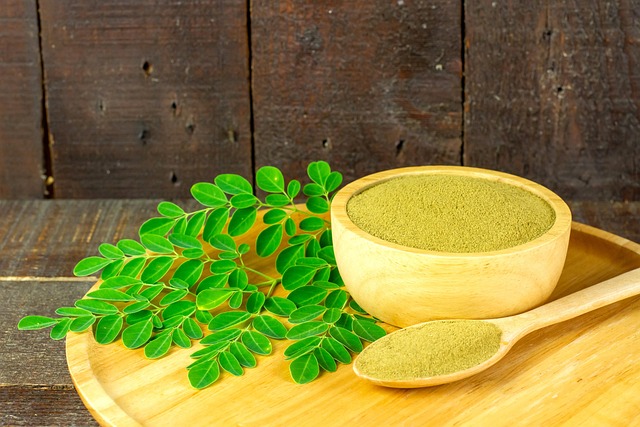
1. Moringa (Moringa oleifera)
Dried leaves from a tropical tree. Broad nutrient spectrum with particular strength in vitamins A, C, calcium, iron, and potassium. Research focus: blood sugar regulation, inflammation reduction, antioxidant capacity.
2. Spirulina (Arthrospira platensis)
Blue-green algae. Highest protein content of any plant source—about 60-70% protein by weight. Rich in B vitamins, particularly B12 (though the bioavailability is debated). Research focus: immune function, cholesterol, blood pressure.
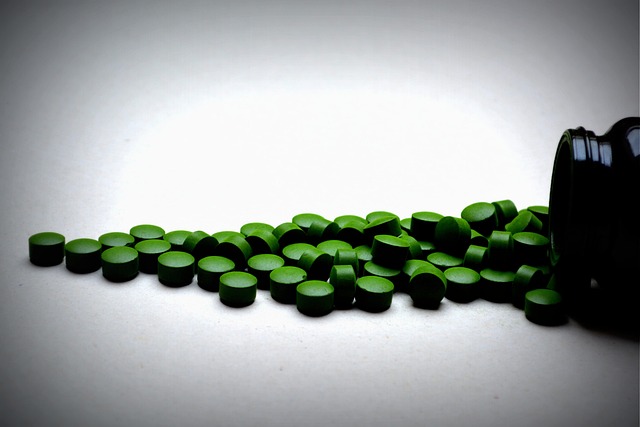
3. Chlorella (Chlorella vulgaris)
Green algae. Known for chlorophyll content and binding capacity for heavy metals. Contains CGF—Chlorella Growth Factor—a complex of nucleic acids. Research focus: detoxification, immune support, cholesterol.
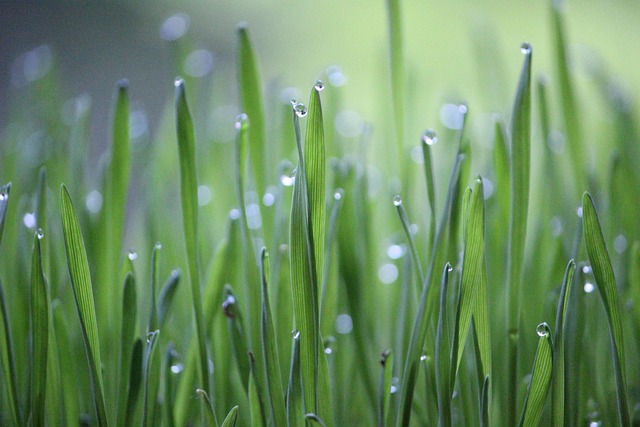
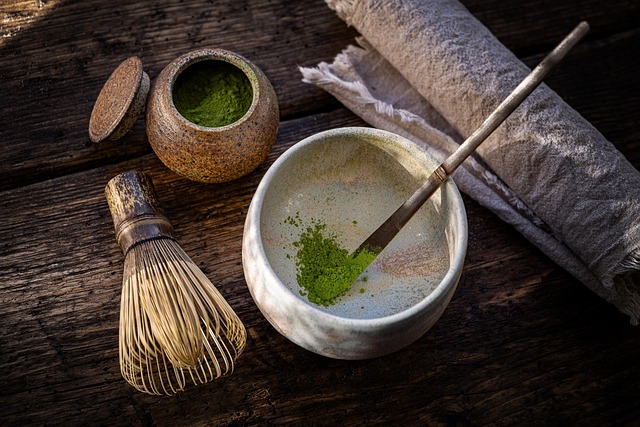
5. Matcha (Camellia sinensis)
Ground green tea leaves. High in L-theanine—an amino acid that promotes calm focus—and EGCG, a potent antioxidant catechin. Contains caffeine. Research focus: cognitive function, metabolism, cardiovascular health.
Each one deserves its reputation. But they’re not interchangeable, and the one that works best for a 25-year-old fitness influencer isn’t necessarily the one that works best for a 52-year-old woman whose fasting glucose crept from 92 to 103 and whose energy crashes every afternoon.
The Comparison Chart: Where Each One Wins
Here’s the side-by-side breakdown. I’m including the metrics that actually matter for women over 50: nutrient breadth, protein content, blood sugar impact, energy type, research backing for our specific concerns, cost, and taste.

1. Nutrient Breadth (Variety of Vitamins & Minerals)
Winner: Moringa
- Moringa: 25+ vitamins and minerals in meaningful amounts, including vitamins A, C, E, calcium, iron, potassium, magnesium
- Spirulina: Strong in B vitamins, iron, copper; narrower range overall
- Chlorella: Similar to spirulina but with more vitamin K and lutein
- Wheatgrass: Good vitamin and mineral content but less research on bioavailability
- Matcha: Primarily valued for polyphenols, not vitamins/minerals
If you’re looking for broad-spectrum nutritional support—not just one or two standout nutrients—moringa covers more ground. This matters when you’re dealing with multiple symptoms at once: the fatigue, the brain fog, the inflammation, the blood sugar swings. You’re not deficient in just one thing; you need comprehensive support.
2. Protein Content
Winner: Spirulina
- Spirulina: 60-70% protein by weight (about 4g per teaspoon)
- Chlorella: 50-60% protein
- Moringa: 25-30% protein
- Wheatgrass: 20-25% protein
- Matcha: Minimal protein
If you’re using a green superfood primarily as a protein source, spirulina wins decisively. But most women over 50 aren’t struggling with protein deficiency—they’re struggling with energy, blood sugar, and inflammation.
3. Blood Sugar Regulation (Research-Backed)
Winner: Moringa
- Moringa: Multiple human studies showing reduced fasting blood glucose and improved post-meal blood sugar response [1, 2]
- Matcha: EGCG may improve insulin sensitivity; research is promising but less extensive for blood sugar specifically [3]
- Spirulina: Some studies show modest improvements in fasting glucose and HbA1c [4]
- Chlorella: Limited human data on blood sugar
- Wheatgrass: Very limited human research on blood sugar
For women dealing with the blood sugar instability that often comes with perimenopause—those afternoon crashes, the desperate need for sugar at 3 PM, the waking up at 3 AM—moringa has the most direct research backing. This isn’t theoretical. This is “your fasting glucose drops 10-20 points over 12 weeks” research.
4. Energy Type & Duration
Winner (Depends): Matcha for immediate, Moringa for sustained
- Matcha: Caffeine + L-theanine = alert but calm energy within 30-60 minutes; lasts 4-6 hours but can disrupt sleep if taken after 2 PM
- Moringa: No stimulants; energy comes from nutrient density and blood sugar stabilization; takes 6-8 weeks to notice, but it’s steady all day
- Spirulina: Nutritional support; not typically described as energizing
- Chlorella: Similar to spirulina
- Wheatgrass: Anecdotal energy claims; minimal research backing
If you want something that works today, matcha gives you that. If you want something that addresses why you’re tired in the first place—the blood sugar instability, the nutrient gaps, the metabolic dysfunction—moringa is the better long-term play. And if you’re already dealing with sleep problems or that “tired but wired” feeling, adding more caffeine isn’t the answer.
5. Anti-Inflammatory & Antioxidant Capacity
Winner: Matcha (EGCG content), Moringa (breadth)
- Matcha: Exceptionally high EGCG—a catechin with potent anti-inflammatory effects [5]
- Moringa: Broad spectrum of antioxidants including quercetin, chlorogenic acid, beta-carotene [6]
- Spirulina: Contains phycocyanin, a powerful antioxidant [7]
- Chlorella: Antioxidant activity present but less studied than matcha or moringa
- Wheatgrass: Antioxidant claims based mostly on chlorophyll content
Both matcha and moringa bring serious antioxidant firepower. Matcha is more concentrated in one specific compound (EGCG). Moringa offers a broader range of antioxidant compounds working synergistically—which matters when you’re dealing with systemic inflammation, not just one isolated problem.
6. Detoxification Support
Winner: Chlorella
- Chlorella: Research-backed ability to bind heavy metals; broken cell wall chlorella improves absorption [8]
- Spirulina: Some detox benefits but less specific research than chlorella
- Moringa: Supports liver function; less direct detox research
- Wheatgrass: Detox claims common but research is limited
- Matcha: Not typically used for detox purposes
If your primary concern is heavy metal exposure or you’re specifically looking for detoxification support, chlorella is the most research-backed choice. But for most women, documented heavy metal toxicity isn’t the problem—metabolic dysfunction is.
7. Cost Per Serving
Winner: Moringa
- Moringa: $0.30-0.60 per serving (capsule form, 1,500-3,000mg)
- Spirulina: $0.40-0.80 per serving
- Chlorella: $0.50-1.00 per serving (broken cell wall versions cost more)
- Wheatgrass: $0.50-0.90 per serving
- Matcha: $0.60-2.00+ per serving (ceremonial grade costs significantly more)
Moringa gives you the most nutritional breadth for the lowest cost. This matters when you need to take something consistently for 12-16 weeks to see results. You’re not going to stick with a $2-per-day habit when you’re not even sure it’s working yet.
Taste & Convenience
Winner: Moringa (capsules), Matcha (if you like tea)
- Matcha: Pleasant, slightly sweet, earthy tea flavor; mixes well in hot or cold liquids
- Moringa: Capsule form eliminates taste entirely; no mixing, no mess
- Spirulina: Strong seaweed/algae taste; hardest to mask
- Chlorella: Similar to spirulina but slightly milder
- Wheatgrass: Intensely grassy; often taken as a shot for this reason
Taste is subjective, but here’s what actually matters: you need to be able to take this every single day for months. If you have to psychologically prepare yourself to choke down algae-flavored powder every morning, you’re going to quit. Moringa in capsule form removes that barrier entirely—you take it with breakfast, and you’re done.
The Verdict for Women Over 50: Why Moringa Wins for Metabolic Support
Here’s the part where I tell you that each of these is a perfectly fine choice depending on what you need. And that’s true. If you’re 30, training for a marathon, and need concentrated protein, spirulina makes sense. If you’re concerned about heavy metal exposure from dental work or environmental toxins, chlorella is worth considering. If you want a pleasant morning ritual with gentle caffeine, matcha is lovely.
But if you’re a woman over 50 dealing with the specific metabolic changes of perimenopause and menopause—the blood sugar instability, the afternoon energy crashes, the brain fog, the weight gain that doesn’t respond to the same strategies that worked in your 40s—moringa addresses more of those problems than any other option on this list.

Why Moringa Stands Out for This Life Stage
It directly addresses blood sugar instability. The research on moringa’s effect on fasting glucose and post-meal blood sugar response is more extensive and more specific than for any other green superfood on this list. And blood sugar instability is one of the primary drivers of the exhaustion, brain fog, and weight gain women experience during perimenopause.
This isn’t about preventing diabetes someday. This is about why you can’t make it past 3 PM without raiding the break room for sugar. Your body’s ability to manage glucose efficiently declines with the hormonal shifts of perimenopause, and most green superfoods don’t address that directly. Moringa does.
It provides broad-spectrum nutrition without stimulants. Matcha gives you energy, but it’s caffeine-driven, which can backfire if you’re already dealing with the “tired but wired” pattern or sleep disruption. Moringa supports energy by providing your body with the raw materials it needs to produce energy efficiently—vitamins, minerals, amino acids—without adding another stimulant to a system that might already be over-stimulated by cortisol dysregulation.
It’s affordable enough to use consistently. The benefits of green superfoods come from consistent use over time, not from taking them sporadically. Moringa’s cost per serving makes it realistic to use daily for months, which is what it takes to see the blood sugar and energy improvements. You’re not gambling $60 a month on something you’re not sure will work.
Capsule form eliminates the compliance problem. The number one reason women quit supplements isn’t because they don’t work—it’s because they’re annoying to take. Mixing powders into smoothies every morning sounds great until you’re rushing out the door and you skip it. Then you skip it again. Then you quit. Capsules remove that friction entirely.
The One Exception: When Another Green Superfood Makes More Sense
If you’re dealing with documented heavy metal exposure—you’ve had testing done, you know you have elevated levels—chlorella is worth the investment for its specific binding capacity.
If you’re specifically looking for a coffee replacement with gentle caffeine and you don’t struggle with sleep issues, matcha is a solid choice.
If you’re working with a healthcare provider who’s recommended high-dose spirulina for a specific condition, follow that guidance.
But if you’re a woman over 50 trying to figure out which green superfood is worth adding to your routine because you’re tired of feeling exhausted, foggy, and metabolically stuck, moringa is the most strategic choice. It’s the only one on this list with direct research backing for the specific problem you’re dealing with: blood sugar instability driving afternoon crashes and brain fog.
What “Winning” Actually Looks Like
This isn’t a magic powder that fixes everything overnight. You’re not going to take moringa on Monday and wake up on Tuesday with perfect energy and zero brain fog. Green superfoods are nutritional insurance, not pharmaceuticals.
Weeks 1-3: Probably Nothing Obvious
You might notice slightly more stable energy in the afternoon. You might not. Most women don’t notice anything dramatic in the first few weeks because moringa is working on blood sugar regulation and cellular nutrition, which are slow-building effects.
Weeks 4-8: The “Huh, That’s Different” Phase
This is when most women start noticing they’re not crashing as hard in the afternoon. They’re not reaching for sugar at 3 PM with the same desperation. They’re waking up less tired. It’s subtle enough that you might not connect it to the moringa until you realize you haven’t had that specific pattern of exhaustion in a while.
Weeks 10-16: The Compound Effect
Sustained energy throughout the day. Less brain fog. More stable mood. Better recovery from poor sleep. This is where the broad-spectrum nutrition and blood sugar stabilization start paying consistent dividends.
This timeline assumes you’re taking 1,500-3,000mg daily, consistently, without skipping days. It also assumes you’re not sabotaging it by eating in a way that sends your blood sugar on a roller coaster—moringa helps stabilize blood sugar, but it can’t override a diet built around refined carbs and sugar.
The Product That Matches the Research (One Strategic Recommendation)
If you recognize this pattern: You’re fine in the morning, crash after lunch, desperate for sugar by 3 PM, exhausted by dinner. You’ve tried cutting carbs, eating more protein, taking B vitamins—nothing creates sustained energy that lasts all day without stimulants.
Most moringa supplements are underdosed—200mg per capsule that would require swallowing 15 pills to match research dosing—or poorly sourced, which means you’re getting a product contaminated with heavy metals. Ironic, given that you’re trying to support your health.
Medical Disclaimer: The information in this article is for educational purposes only and is not intended as medical advice. Always consult with a qualified healthcare provider before starting any new supplement, especially if you have diabetes, are taking blood sugar medication, thyroid medication, blood pressure medication, or have other health concerns. Green superfood supplements are not intended to diagnose, treat, cure, or prevent any disease and should not replace prescribed medication without medical supervision.
Moringa Magic provides 800mg per serving of organic moringa leaf in capsule form—you’re taking two capsules with breakfast, not mixing powders or swallowing handfuls of underdosed pills. Sourced from farms that don’t use pesticides or chemical fertilizers. You’re getting the nutrient density and blood sugar support that matches the research dosing, not a token amount designed to let them put “moringa” on the label.
The quality markers that matter: USDA organic certification, which limits pesticide exposure since moringa leaves accumulate whatever’s in the soil. Third-party testing for heavy metals—you’re not slowly poisoning yourself with lead or arsenic. Whole-leaf powder rather than extract, because moringa’s effect on blood sugar comes from multiple compounds working together—isothiocyanates, quercetin, chlorogenic acid. You need the full spectrum, not isolated components.
Here’s why this is appropriate for blood sugar instability specifically: the research showing moringa’s effect on fasting glucose and post-meal blood sugar used whole-leaf preparations at doses between 1,500mg and 3,000mg daily over 12-16 weeks. You’re matching the research protocol, not guessing at dosing or trying to cobble together therapeutic amounts from underdosed products.
What makes it different from spirulina or chlorella: it’s addressing the root cause of the 3 PM crash—blood sugar dysregulation—rather than just providing protein or detox support. Your body gets the tools to stabilize energy at the cellular level, which is why the effect builds over weeks rather than hours. You’re not getting a caffeine buzz. You’re rebuilding metabolic stability.
The convenience factor matters more than it sounds: you’re taking capsules with your morning coffee or breakfast. No blenders. No mixing. No taste. This is why women actually stick with it long enough to see results instead of quitting at week three when they haven’t felt anything yet.
Realistic timeline: Most women notice more stable afternoon energy by week 6-8. You’re not white-knuckling through the 3 PM slump anymore. By week 10-14, sustained energy without crashes becomes the default. You’re waking up less exhausted. Brain fog lifts. This isn’t a stimulant giving you a temporary boost—it’s your metabolism working the way it’s supposed to.
Affiliate Disclosure: Serenis Naturals earns a commission when you purchase through our links, at no extra cost to you. We only recommend products that meet documented quality standards and are appropriate for the specific health concerns discussed in our articles.
The alternative is continuing to try random green superfoods based on which one has the prettiest Instagram marketing, spending $40-60 a month on products that don’t address blood sugar instability, and wondering why nothing works. Or you can choose the one with direct research backing for the specific metabolic problem driving your exhaustion.
Common Questions We Hear
Can I take more than one green superfood at the same time?
You can, but it’s usually not necessary and can get expensive fast. Most women get better results from choosing one that matches their primary concern and taking a therapeutic dose consistently than from taking small amounts of three different ones. If you want broad nutritional support with direct blood sugar benefits, moringa covers the most ground. If you add anything, add it strategically—chlorella if you have documented heavy metal exposure, matcha if you’re looking for a coffee replacement with gentler caffeine.
Why do some articles say spirulina is better for energy than moringa?
Because spirulina has more protein, and protein is associated with energy. But most women over 50 aren’t deficient in protein—they’re dealing with blood sugar instability, hormone fluctuations, and micronutrient gaps. Moringa addresses those specific problems more directly than spirulina does. Spirulina is a great choice if you’re vegan and struggling to get enough protein. It’s less useful if your problem is afternoon crashes and brain fog driven by blood sugar dysregulation.
Is organic certification actually necessary for green superfoods?
For moringa, wheatgrass, and matcha—yes. These are leaves, and leaves accumulate whatever’s in the soil and water. Non-organic versions can contain pesticide residues and heavy metals at levels that undermine the whole point of taking a superfood. For spirulina and chlorella, sourcing matters more than organic certification because they’re grown in controlled water environments—look for products tested for microcystins, which are algae toxins, and heavy metals.
Will matcha keep me awake if I take it in the afternoon?
Probably, yes. Matcha contains about 70mg of caffeine per teaspoon, which is less than coffee but still enough to disrupt sleep if you’re caffeine-sensitive or if you take it after 2 PM. If you’re already dealing with insomnia or the u0022tired but wiredu0022 feeling, adding more caffeine—even gentle caffeine from matcha—can make things worse. Moringa provides energy support without stimulants, which is why it’s a better choice for women dealing with sleep disruption alongside fatigue.
Can I just eat the whole foods instead of taking powders or capsules?
In theory, yes. In practice, you’d need to eat a lot of spinach to match the nutrient density of 1,500mg of moringa, and you can’t exactly eat spirulina in its natural form. Green superfood supplements are concentrated forms of foods that are difficult to consume in therapeutic amounts through diet alone. If you’re getting plenty of leafy greens, vegetables, and whole foods, you might not need a green superfood at all. But most women over 50 aren’t consistently eating 8-10 servings of vegetables a day, which is where these supplements fill the gap.
Do I need to cycle off green superfoods, or can I take them indefinitely?
These are foods, not pharmaceuticals, so there’s no need to cycle off. You can take them indefinitely. The exception is if you’re taking chlorella specifically for heavy metal detox—in that case, you might work with a practitioner who recommends periodic breaks. But for moringa, spirulina, or matcha used for general nutritional support, consistent daily use is fine and often gives better results than sporadic use.
Why doesn’t my doctor recommend green superfoods if they’re so beneficial?
Because medical training focuses on diagnosing and treating disease, not on optimization or prevention through nutrition. Your doctor learned about pharmaceuticals—what to prescribe when lab values cross into disease ranges. They didn’t spend time studying the research on moringa’s effect on blood sugar or spirulina’s impact on inflammation because that’s not what medical school covers. This isn’t your doctor’s fault—it’s a gap in how physicians are trained. When your labs come back u0022normal,u0022 most doctors don’t have tools beyond u0022eat better and exercise moreu0022 because optimization isn’t part of the standard curriculum.
More to Explore
If you’re wondering whether moringa is actually worth trying or just sounds too good to be true: Moringa Contains 92 Nutrients (Here’s Why That Sounds Fake—And Why It’s Not)—the research that explains why something with that many nutrients is chemically possible, the three quality markers that separate real moringa from contaminated powder, and the week-by-week timeline so you know when to expect results instead of quitting at week 4 when nothing’s happened yet
If your doctor says your thyroid is “normal” but you’re exhausted, cold, and gaining weight anyway: If your thyroid labs came back “normal” but you still feel off, here’s what standard testing can miss—the exact TSH range where this works, why it takes 10-14 weeks instead of days, and the one mistake that guarantees you waste money even on products that would have worked
If you’re dealing with bloating, food sensitivities, or brain fog that gets worse after eating: Amino Acids for Gut Health: Why Something This Simple Actually Works—why 5g of L-glutamine rebuilds gut barrier function when expensive probiotics don’t, the 12-16 week timeline nobody tells you about, and the timing mistake that sabotages results
If you’re taking supplements but not seeing results and wondering what you’re doing wrong: Why Your Supplements Might Be Making You More Tired—the six timing and absorption mistakes that guarantee supplements fail, including the one combination that creates nutrient competition instead of synergy
If you’ve tried cutting carbs, increasing protein, taking B vitamins, and nothing creates sustained energy: Why Energy Supplements Didn’t Work (And What Actually Might)—the six failure points that explain why most supplements fail for women over 50, including the underdosing problem that means you’re taking just enough to waste money but not enough to match research protocols
If you want to know which energy pattern you’re actually dealing with so you stop guessing: The Energy Detective Guide walks you through the five patterns—blood sugar crashes, thyroid dysfunction, iron deficiency, adrenal fatigue, gut inflammation—with the self-assessment that shows you which supplements match your specific exhaustion pattern
References
- Vergara-Jimenez, M., et al. (2017). Bioactive components in Moringa oleifera leaves protect against chronic disease. Antioxidants, 6(4), 91. https://doi.org/10.3390/antiox6040091
- Taweerutchana, R., et al. (2017). Effect of Moringa oleifera leaf capsules on glycemic control in therapy-naïve type 2 diabetes patients: A randomized placebo controlled study. Evidence-Based Complementary and Alternative Medicine, 2017, 6581390. https://doi.org/10.1155/2017/6581390
- Fujiki, H., et al. (2018). Cancer prevention with green tea and monitoring by a new biomarker. Mutation Research/Reviews in Mutation Research, 776, 87-96. https://doi.org/10.1016/j.mrrev.2017.08.002
- Mazokopakis, E. E., et al. (2014). The hypolipidaemic effects of Spirulina (Arthrospira platensis) supplementation in a Cretan population. Journal of the Science of Food and Agriculture, 94(3), 432-437. https://doi.org/10.1002/jsfa.6261
- Reygaert, W. C. (2017). Green tea catechins: Their use in treating and preventing infectious diseases. BioMed Research International, 2017, 9105261. https://doi.org/10.1155/2017/9105261
- Stohs, S. J., & Hartman, M. J. (2015). Review of the safety and efficacy of Moringa oleifera. Phytotherapy Research, 29(6), 796-804. https://doi.org/10.1002/ptr.5325
- Wu, Q., et al. (2016). Antioxidant, hepatoprotective and hypolipidemic effects of phycocyanin in rats. Biochemical and Biophysical Research Communications, 470(4), 905-911. https://doi.org/10.1016/j.bbrc.2016.01.122
- Panahi, Y., et al. (2016). Investigation of the effects of Chlorella vulgaris supplementation on the modulation of oxidative stress in apparently healthy smokers. Clinical Laboratory, 62(1-2), 117-124. https://doi.org/10.7754/Clin.Lab.2015.150427
Understand your pattern before trying anything
The Energy Detective Guide walks you through the five exhaustion patterns most common in women over 45 — so what you try next is pointed at the right mechanism, not just the most popular supplement.
→ Get the Free Energy Detective Guide