You thought energy after menopause would improve once the hot flashes stopped and your hormones finally stabilized. Instead, you’re more exhausted at 58 than you were at 52. The fatigue feels different now—not the roller coaster of perimenopause, but a steady, relentless depletion that makes every task feel harder than it should. Your doctor says your bloodwork is “normal for your age,” which somehow feels more dismissive than reassuring.
This pattern confuses many women. Menopause is supposed to mark the end of hormonal chaos, yet energy often declines further in the years following your final period. What changes at 55+ isn’t primarily hormonal—it’s cellular. Your mitochondria (the structures that produce energy in every cell) function less efficiently. Inflammation increases as a natural consequence of aging. Nutrient absorption decreases even as your body’s needs increase[1]. These shifts create energy depletion that standard medical approaches rarely address directly.
We’ve examined research on post-menopausal energy metabolism, cellular aging, and how nutrient-dense interventions like moringa might address gaps that conventional recommendations miss. This guide covers why fatigue persists or worsens after menopause, what your body needs differently at this life stage, how moringa’s specific properties align with post-menopausal physiology, and realistic expectations for improvement.
If you’re tired of being told “this is just part of aging,” keep reading. By the end, you’ll have a specific picture of what’s actually changing in your body at this stage — and why that changes which solutions are even worth trying.
Why Post-Menopausal Fatigue Feels Different
The exhaustion you experience at 60 differs fundamentally from perimenopause fatigue. Understanding this distinction helps target solutions appropriately.

During perimenopause (typically 45-54), your fatigue primarily stems from hormonal fluctuation. Estrogen and progesterone swing unpredictably, disrupting sleep architecture, creating inflammatory surges, and interfering with neurotransmitter production. You feel exhausted, but the intensity varies—some days are tolerable, others are impossible. This unpredictability is the hallmark of hormone-driven fatigue.
After menopause (typically 55+), your fatigue becomes more consistent and steady. Your hormones have stabilized—they’re low, but they’re no longer wildly fluctuating. Yet you’re not less tired. This happens because new mechanisms take over as primary energy drains:
Mitochondrial function declines with age. Your mitochondria—the organelles in every cell that generate ATP (cellular energy currency)—become less efficient after age 50. Research shows mitochondrial energy production decreases approximately 8-10% per decade after menopause[2]. This isn’t about “low energy”—it’s about your cells literally producing less energy at the molecular level. No amount of willpower overcomes reduced ATP production.
Chronic inflammation intensifies. During reproductive years, estrogen provides natural anti-inflammatory protection. After menopause, with estrogen permanently low, inflammatory markers (C-reactive protein, interleukin-6, TNF-alpha) tend to rise[3]. This “inflammaging” — a term used by researchers to describe the chronic low-grade inflammation associated with post-menopausal aging — directly interferes with mitochondrial function[3]., creating a vicious cycle: inflammation reduces energy production, which leaves less energy for cellular repair, which allows more inflammation to accumulate.
Oxidative stress accumulates faster than repair mechanisms can address. Every cellular process generates free radicals as byproducts. Throughout your life, antioxidant systems neutralize these free radicals before they damage cells. After menopause, free radical production continues or increases (due to inflammation and metabolic changes), but your body’s antioxidant defenses weaken[1]. The cumulative oxidative damage to cellular structures—including mitochondria—reduces functional capacity over time.
Muscle mass declines (sarcopenia). Women lose approximately 3-8% of muscle mass per decade after age 50, with acceleration after menopause — a process Harvard Health describes as one of the most underappreciated drivers of fatigue and metabolic slowdown [4]. Muscle tissue is metabolically active—it burns energy even at rest and helps regulate blood sugar. As you lose muscle, your metabolic rate slows, blood sugar becomes less stable (causing energy crashes), and physical tasks require more effort relative to your capacity. This isn’t about appearance; it’s about functional energy production and glucose metabolism.
Nutrient absorption decreases. Stomach acid production declines with age, reducing your ability to extract nutrients from food[5]. Intestinal permeability may increase, triggering more immune reactions to food proteins. Even if you eat well, you may absorb significantly less iron, B12, magnesium, and other nutrients critical for energy production than you did at 40. Standard blood tests often miss subclinical deficiencies that accumulate slowly but impact how you feel daily.
The convergence of these factors—not hormones alone—explains why many women feel their worst energy in the years after menopause rather than during the transition itself.
What Your Body Actually Needs After Menopause
Post-menopausal energy support requires different strategies than perimenopause management. The advice that helped at 48 may not address what’s depleting you at 60.

Anti-inflammatory compounds become more critical. With estrogen’s natural anti-inflammatory protection gone, you need concentrated sources of compounds that modulate inflammatory pathways. Foods and supplements rich in polyphenols, flavonoids, and omega-3 fatty acids help compensate for the loss of estrogen’s anti-inflammatory effects[3]. This isn’t optional—it’s addressing a fundamental shift in how your body regulates inflammation.
Antioxidant support must intensify. Your endogenous (internally produced) antioxidant systems weaken after menopause. Supplementing with dietary antioxidants—vitamins C and E, polyphenols, carotenoids—helps neutralize the free radicals your body’s own systems can’t handle as efficiently anymore[1]. Think of this as external support for systems that functioned independently in earlier years.
Nutrient density matters more than calorie counting. With decreased absorption efficiency, every bite needs to deliver maximum nutritional value. Empty calories—refined carbohydrates, processed foods, sugary treats—represent not just “bad choices” but missed opportunities to nourish cells that are already struggling with reduced nutrient uptake[5]. Nutrient-dense foods become genuinely therapeutic at this life stage.
Cellular energy support at the mitochondrial level. Your mitochondria need specific cofactors to produce ATP efficiently: B vitamins (especially B2, B3, B6), iron, magnesium, CoQ10, and alpha-lipoic acid[2]. Many women are marginally deficient in one or more of these, which compounds naturally declining mitochondrial function. Supporting these pathways directly can partially offset age-related efficiency losses.
Protein intake needs to increase, not decrease. To combat muscle loss, research suggests women over 55 need approximately 1.2-1.5 grams of protein per kilogram of body weight—significantly more than standard recommendations[4]. This protein supports muscle maintenance (which supports metabolic rate and blood sugar stability), provides amino acids for neurotransmitter production, and supplies raw materials for cellular repair.
Standard advice—”eat balanced meals, exercise regularly, get enough sleep”—remains important but insufficient. These practices maintain baseline function, but they don’t address the specific nutritional and cellular gaps that emerge after menopause.
How Moringa Addresses Post-Menopausal Energy Gaps
Moringa oleifera, a nutrient-dense plant used in traditional medicine for centuries, contains a unique combination of compounds that align remarkably well with post-menopausal nutritional needs.
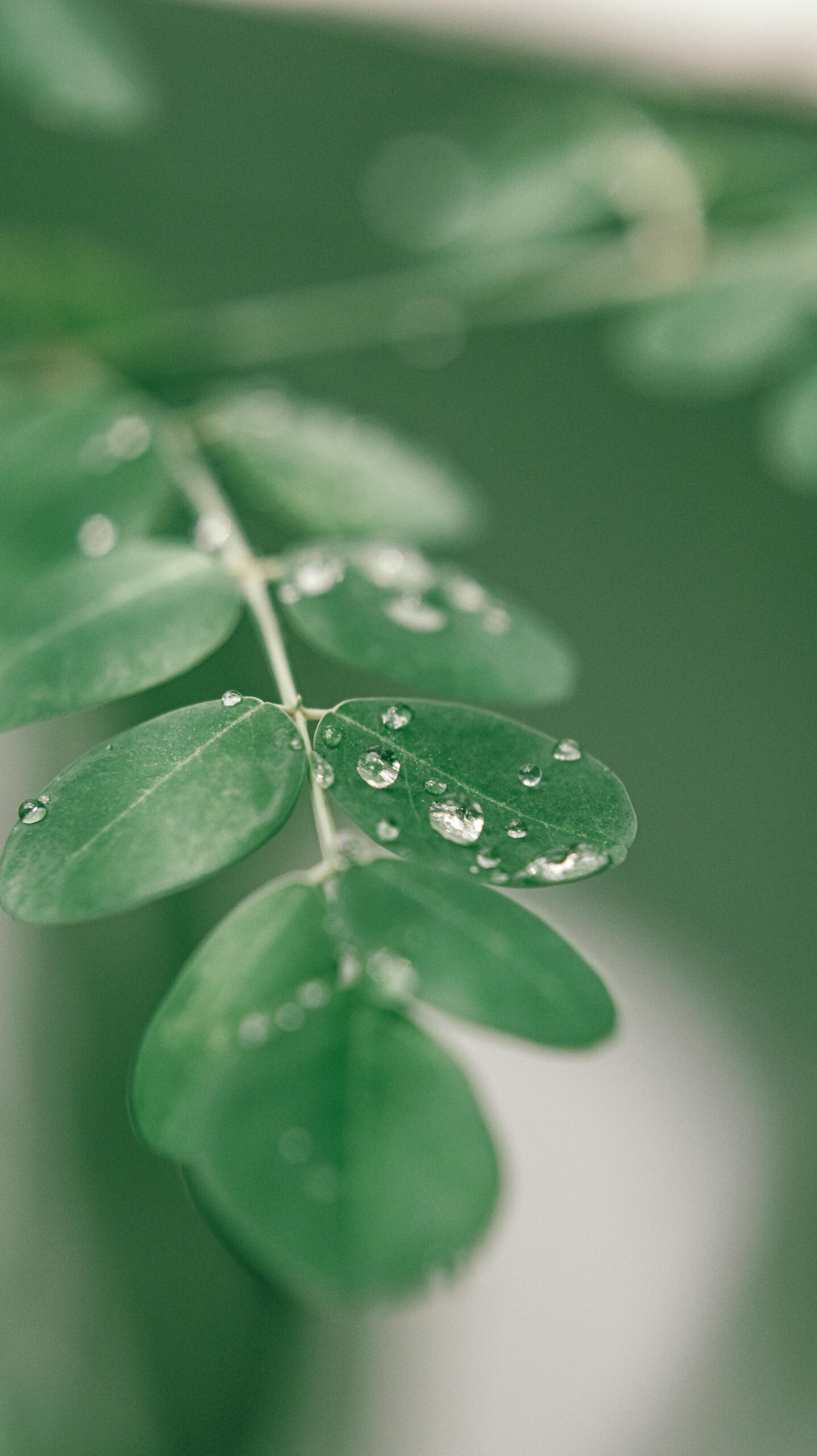
Exceptional nutrient density in bioavailable forms. Moringa provides concentrated vitamins and minerals that support cellular energy production: iron (157% daily value per 100g), vitamin A (378% DV), calcium (200% DV), magnesium, B vitamins, and complete protein with all essential amino acids[6]. For women with declining absorption efficiency, this concentration means more nutrients reach cells even when digestive function is suboptimal.
The bioavailability matters as much as the amounts. Plant-based iron from moringa demonstrates good absorption when combined with its high vitamin C content, which enhances non-heme iron uptake[6]. The calcium comes in a form bound to plant compounds that may improve absorption compared to isolated calcium supplements. These aren’t isolated nutrients in synthetic forms—they’re nutrients in their natural matrix, which research suggests promotes better utilization[7].
Potent anti-inflammatory compounds. Moringa contains isothiocyanates—sulfur-containing compounds that modulate NF-κB, a protein complex controlling inflammatory gene expression[8]. When NF-κB is chronically activated (as commonly occurs with aging), it perpetuates inflammation that depletes energy. Studies show moringa consumption reduces inflammatory markers including C-reactive protein in postmenopausal women[9]. This anti-inflammatory effect doesn’t eliminate necessary immune responses; it reduces the chronic, purposeless inflammation that drains cellular resources.
High antioxidant capacity. Moringa’s ORAC (Oxygen Radical Absorbance Capacity) value—a measure of antioxidant potential—is approximately 157,000, significantly higher than most common fruits and vegetables[1]. The plant contains multiple classes of antioxidants: polyphenols like quercetin and chlorogenic acid, vitamins C and E, beta-carotene, and unique compounds like zeatin. This diversity means moringa neutralizes various types of free radicals rather than targeting only specific oxidative pathways.
For post-menopausal women, this antioxidant support helps protect mitochondria from oxidative damage that accumulates with age. Research suggests moringa’s polyphenols may actually stimulate mitochondrial biogenesis—the creation of new mitochondria—potentially offsetting age-related decline in mitochondrial number and function[10].
Cardiovascular and circulation support. After menopause, cardiovascular risk increases as estrogen’s protective effects disappear. Moringa has been shown to support healthy cholesterol levels and may help maintain blood pressure in normal ranges[11]. Better circulation means improved oxygen and nutrient delivery to tissues, which directly impacts how energetic you feel. This isn’t dramatic—it’s subtle support for systems that become more vulnerable after menopause.
Bone health support. While not primarily an energy consideration, moringa’s high calcium, magnesium, and vitamin K content supports bone density[6]. Bone loss accelerates after menopause, and maintaining strong bones reduces fracture risk that could severely limit mobility and independence. Energy and physical function are interconnected—supporting one supports the other.
Blood sugar modulation. Several studies show moringa helps moderate post-meal blood sugar spikes, likely by slowing carbohydrate absorption and improving insulin sensitivity[12]. For post-menopausal women, maintaining stable blood sugar prevents the energy crashes that make afternoons unbearable and evenings exhausting. This mechanism differs from stimulants—it’s about preventing drops rather than forcing spikes.
What Moringa Cannot Fix After Menopause
Realistic expectations prevent disappointment and wasted money. Moringa is not a pharmaceutical, hormone replacement, or anti-aging miracle.
Moringa will not:
Replace hormone replacement therapy (HRT) for women experiencing severe symptoms like persistent hot flashes, vaginal atrophy, or severe mood disruption. If your quality of life is significantly impaired, HRT addresses hormonal deficits directly in ways plant compounds cannot replicate.
Reverse muscle loss without accompanying strength training. Moringa provides protein and nutrients that support muscle maintenance, but muscle rebuilding requires mechanical stimulus from resistance exercise. You cannot supplement your way to maintained muscle mass while remaining sedentary.
Compensate for inadequate sleep, chronic stress, or inflammatory diets. If you’re sleeping 5 hours nightly, eating processed foods at every meal, and managing unrelenting stress, no supplement overcomes those fundamental deficits. Moringa supports optimal function; it doesn’t enable function despite adverse conditions.
Work overnight or produce stimulant-like effects. Moringa supports cellular energy production at the mitochondrial level—this is a gradual process taking weeks to months, not hours. If you expect immediate energy surges like caffeine provides, you’ll be disappointed. Moringa works differently.
Fix underlying medical conditions causing fatigue. If your exhaustion stems from sleep apnea, severe anemia, thyroid dysfunction, cardiovascular disease, or other diagnosable conditions, treating the condition is necessary. Moringa may complement medical treatment but never replaces it.
Moringa may help with:
Reducing chronic low-grade inflammation that depletes cellular energy Providing concentrated nutrients when absorption efficiency declines Protecting cells from oxidative damage that accelerates aging Supporting more stable blood sugar and reducing afternoon crashes Improving overall resilience to the energy demands of daily life
The distinction matters: moringa addresses nutritional and inflammatory gaps within the context of generally good health practices, not catastrophic deficiencies or diagnosed diseases.
Using Moringa Effectively After Menopause
Quality sourcing and appropriate use patterns determine whether moringa provides benefit or wastes money.

Dosing based on research in postmenopausal women:
The most relevant study for this demographic gave postmenopausal women 7 grams of moringa leaf powder daily for three months, resulting in significant increases in antioxidant status and reductions in oxidative stress markers[9]. This translates to approximately 1.5 teaspoons of powder or 8-10 standard 800mg capsules daily.
Most women find 5-10 grams daily (1-2 teaspoons or 6-12 capsules depending on concentration) provides noticeable support without digestive issues. Starting with 5 grams daily for two weeks allows assessment of tolerance before increasing dosage.
Format considerations for women over 55:
Capsule formulations offer significant advantages for this age group:
- No preparation time (critical for maintaining consistency)
- No taste concerns (moringa’s grassy flavor intensifies taste sensitivity issues some women experience after menopause)
- Pre-measured doses eliminate guesswork
- Portable for travel and busy schedules
- Easier to swallow with meals than mixing powder into foods
While powder is more economical, the convenience factor of capsules dramatically improves adherence. The supplement you actually take consistently beats the theoretically optimal supplement you abandon by week three.
Timing and consistency:
Take moringa with food, preferably meals containing healthy fats (olive oil, avocado, nuts, fish) to maximize absorption of fat-soluble vitamins A, E, and K[6]. Morning or lunchtime consumption works well for most women—taking it too late in the day occasionally causes restlessness in sensitive individuals, though this is uncommon.
Consistency matters profoundly for post-menopausal women. Your body isn’t recovering as quickly as it did in earlier years. Building nutrient reserves, reducing inflammation, and optimizing cellular function requires sustained daily support over months, not sporadic use measured in days.
Important medication interactions:
Moringa may interact with blood pressure medications—it demonstrates mild blood pressure-lowering effects, which could potentiate medication and cause excessive drops[11]. If you take antihypertensives, inform your doctor you’re using moringa and monitor blood pressure during the first month.
If you take thyroid medication (levothyroxine, Synthroid), maintain at least 4 hours between medication and moringa to avoid absorption interference. We cover this interaction comprehensively in our guide to taking moringa safely with thyroid medication.
Moringa shows mild blood sugar-lowering effects. If you take diabetes medication, monitor blood sugar carefully and inform your healthcare provider—dose adjustments may be needed[12].
Women taking anticoagulants (warfarin, Coumadin) should consult their physician before using moringa, as its vitamin K content could theoretically affect medication effectiveness.
Quality markers that matter for older adults:
Quality matters more as you get older, not less. For this age group especially, a few things are worth checking when choosing any moringa product: look for formulations specifying 100% moringa leaf (not stem or seed powder, which contain fewer of the beneficial compounds), and capsule form if consistency is a challenge for you. Beyond that, the most useful signal is transparency — companies that clearly explain what’s in their product and stand behind it with a meaningful guarantee tend to be the ones worth trusting.
Our Recommendation for Post-Menopausal Women
After evaluating processing methods, third-party testing results, and format practicality for women prioritizing convenience and reliability, we’ve identified products that consistently meet quality standards while removing barriers to daily use.

Pause here for a moment…
If you’ve read this far, you’ve probably tried a few things already.
Maybe a B-complex that didn’t move the needle. Maybe a general multivitamin that felt pointless after a month. Maybe you’ve just quietly accepted that this tiredness is your new normal because nobody’s given you a better explanation.
Here’s what’s actually different about where you are right now: you have a clearer picture of why you’re depleted.
Not just “aging” — but inflammation running unchecked without estrogen’s protection, mitochondria producing less ATP, nutrients slipping through absorption that isn’t as efficient as it was. That’s specific. And specific problems respond to targeted support.
Why Moringa Magic Fits Post-Menopausal Needs
Moringa Magic is what we point to for this age group. Not because it’s magic — it isn’t — but because it keeps things straightforward. It’s 100% pure moringa leaf, capsule form, no fillers. You take it daily with a meal. That’s the whole protocol.

A few things worth knowing:
The format matters at this stage. You’ve read about why consistency over months — not days — is what shifts chronic inflammation and builds nutrient reserves. Capsules eliminate the friction that derails powder users. There’s nothing to mix, no flavor to manage, no extra step. You either take it or you don’t, and the barrier to taking it is nearly zero.
The timeline is honest. Most women notice something — steadier afternoon energy, less of that 3pm crash, a bit more mental clarity — somewhere around weeks 3-4. The fuller shift takes 8-12 weeks. The 60-day guarantee covers that window, which is why the math works: if it’s going to work for you, you’ll know before you’ve spent the full commitment.
Over 13,000 customer reviews back this up — and 98% of customers who order choose the 6-bottle option. Probably because once they do the math ($1.63/day) and consider that real cellular change takes time, the 6-bottle timeline just makes sense. The guarantee means that commitment isn’t a risk.
If you’re ready to try it: Learn more about Moringa Magic here →
Affiliate Disclosure: Some of the links on this page are affiliate links. If you make a purchase through one, we may earn a small commission — at no extra cost to you. It’s how we’re able to keep researching and publishing free, accessible guidance for women who need it.
More Questions About Moringa After Menopause
Moringa demonstrates mild blood pressure-lowering effects in some studies[11]. If you take antihypertensive medication, this could theoretically potentiate effects and cause blood pressure to drop too low. Inform your prescribing physician you’re adding moringa, and monitor your blood pressure during the first month of use. Your doctor may need to adjust medication dosing.
Don’t assume moringa is “just a plant” and therefore safe with all medications—it has bioactive effects that can interact with pharmaceuticals.
Moringa provides significant calcium (2,003mg per 100g), magnesium, phosphorus, and vitamin K—all nutrients supporting bone health[6]. However, it’s not a standalone osteoporosis prevention strategy. Weight-bearing exercise, adequate vitamin D, sufficient protein intake, and potentially bisphosphonate medications (if prescribed) remain more important for bone density. Moringa can be part of a comprehensive bone health approach but shouldn’t be relied upon as sole intervention. If you have osteopenia or osteoporosis, continue prescribed treatments and discuss moringa with your healthcare provider as adjunctive support.
Research on moringa safety includes participants through age 70, with no significant adverse effects reported at standard doses (5-10 grams daily)[9]. However, women taking multiple medications—common in later decades—face higher interaction risks. The more prescriptions you take, the more important it becomes to inform all your healthcare providers about supplements you use. Start with lower doses (1 teaspoon or 3-4 capsules daily) to assess tolerance before increasing. If you have multiple chronic conditions or take 5+ medications, discuss moringa with your primary care physician or pharmacist before starting.
Moringa’s antioxidant compounds may offer some neuroprotective benefit by reducing oxidative stress in brain tissue[10]. Some women report improved mental clarity after consistent use, possibly due to reduced systemic inflammation (which affects cognitive function) and better nutrient support for neurotransmitter production. However, moringa isn’t a cognitive enhancer in the pharmaceutical sense. If you’re experiencing significant memory problems, confusion, or cognitive decline, these warrant medical evaluation—they could indicate conditions requiring specific treatment. Moringa may support general brain health but doesn’t treat dementia, Alzheimer’s disease, or other neurodegenerative conditions.
Moringa’s advantage is comprehensive nutritional density—it provides multiple nutrients and bioactive compounds rather than isolated substances. Compared to single-nutrient supplements (isolated vitamin C, iron pills, calcium tablets), moringa offers synergistic effects from compounds working together. Compared to other “superfoods” like spirulina or chlorella, moringa demonstrates better research on anti-inflammatory effects and safety in older adults. Compared to pharmaceutical interventions, moringa is gentler with fewer side effects but also less potent—it supports optimal function rather than treating disease. For detailed comparison with turmeric (another anti-inflammatory plant), we cover mechanisms and appropriate use cases in our moringa versus turmeric comparison guide.
Moringa as Part of Healthy Aging
No supplement alone determines how you age, but strategic nutritional support within a comprehensive approach to health can significantly impact quality of life after menopause.

The women who report the most meaningful improvements from moringa combine it with:
Strength training at least twice weekly: Resistance exercise is non-negotiable for combating muscle loss. Even bodyweight exercises or light weights make measurable difference in maintaining metabolic rate and functional capacity[4].
Adequate protein at every meal: Aim for 25-30 grams of protein at breakfast, lunch, and dinner. This supports muscle maintenance, provides amino acids for cellular repair, and stabilizes blood sugar[4].
Prioritized sleep: Seven to nine hours nightly remains important, but sleep quality matters as much as quantity after menopause. Address sleep apnea if present, maintain consistent sleep schedules, and create environments conducive to deep sleep.
Stress management practices: Chronic stress accelerates cellular aging and depletes energy reserves. Daily practices—meditation, walking, time in nature, social connection—aren’t luxuries; they’re essential maintenance for aging well.
Regular health screening: Don’t accept “normal for your age” without question, but also recognize that aging bodies function differently. Stay current with preventive care, address treatable conditions promptly, and maintain relationships with healthcare providers who listen and partner with you.
Moringa provides concentrated nutritional and anti-inflammatory support that helps your body function optimally within the context of these foundational practices. It’s one valuable tool in the larger strategy of aging with vitality and maintaining the energy to do what matters to you.
For comprehensive information about moringa’s mechanisms, safety considerations, and detailed research summaries, see our complete guide to moringa benefits for women over 45. To understand which format—powder or capsules—best suits your lifestyle and preferences, we cover practical considerations and decision-making frameworks in our capsules versus powder comparison.
Ready to Investigate Your Energy Patterns?
If you’ve connected with what this article explains about post-menopausal energy — the cellular picture, the inflammation piece, why the usual advice falls short — and you’re ready to try concentrated nutritional support, Moringa Magic is the place to start.
Learn more about Moringa Magic →
Not sure yet whether your fatigue is primarily inflammatory, hormonal, or something else? The Energy Detective Starter Kit helps you map that first before committing to any supplement.
Download the Free Energy Detective Starter Kit →
References
- Vergara-Jimenez, M., et al. (2017). Bioactive Components in Moringa Oleifera Leaves Protect against Chronic Disease. Antioxidants, 6(4), 91.
- Gonzalez-Freire, M., et al. (2015). Mitochondrial DNA and Aging. Human Genetics, 134(3), 275-285.
- Woods, N.F., et al. (2012). Inflammation Markers and Sleep Disturbance in Midlife Women: The SWAN Sleep Study. Menopause, 19(1), 67-75.
- Bauer, J., et al. (2013). Evidence-Based Recommendations for Optimal Dietary Protein Intake in Older People. Journal of the American Medical Directors Association, 14(8), 542-559.
- Brownie, S. (2006). Why are elderly individuals at risk of nutritional deficiency? International Journal of Nursing Practice, 12(2), 110-118.
- Gopalakrishnan, L., et al. (2016). Moringa oleifera: A review on nutritive importance and its medicinal application. Food Science and Human Wellness, 5(2), 49-56.
- Heaney, R.P. (2001). Factors influencing the measurement of bioavailability, taking calcium as a model. Journal of Nutrition, 131(4), 1344S-1348S.
- Leone, A., et al. (2015). Cultivation, Genetic, Ethnopharmacology, Phytochemistry and Pharmacology of Moringa oleifera Leaves: An Overview. International Journal of Molecular Sciences, 16(6), 12791-12835.
- Kushwaha, S., et al. (2014). Supplementation of drumstick (Moringa oleifera) and amaranth (Amaranthus tricolor) leaves powder on antioxidant profile and oxidative status among postmenopausal women. Journal of Food Science and Technology, 51(11), 3464-3469.
- Stohs, S.J., & Hartman, M.J. (2015). Review of the Safety and Efficacy of Moringa oleifera. Phytotherapy Research, 29(6), 796-804.
- Mbikay, M. (2012). Therapeutic Potential of Moringa oleifera Leaves in Chronic Hyperglycemia and Dyslipidemia. Frontiers in Pharmacology, 3, 24.
- Taweerutchana, R., et al. (2017). Effect of Moringa oleifera Leaf Capsules on Glycemic Control in Therapy-Naïve Type 2 Diabetes Patients: A Randomized Placebo Controlled Study. Evidence-Based Complementary and Alternative Medicine, 2017, 6581390.
Medical Disclaimer: This article is for informational purposes only and does not constitute medical advice. Moringa may interact with blood pressure medications, thyroid medications, diabetes medications, anticoagulants, and other prescriptions. Women over 55 taking multiple medications should consult their healthcare provider before adding moringa to their routine. This content is not intended to diagnose, treat, cure, or prevent any disease. Significant cognitive changes, severe fatigue, or unexplained symptoms warrant medical evaluation.
Affiliate Disclosure: Some links in this article are affiliate links. If you choose to purchase, we may earn a small commission at no extra cost to you. Your support helps us continue creating content that empowers women to make informed decisions
Understand your pattern before trying anything
The Energy Detective Guide walks you through the five exhaustion patterns most common in women over 45 — so what you try next is pointed at the right mechanism, not just the most popular supplement.
→ Get the Free Energy Detective Guide