
You’ve been taking probiotics for six months. You’ve tried eliminating dairy, gluten, sugar. You’ve spent hundreds of dollars on gut health supplements that promised to fix your bloating, your food sensitivities, your post-meal exhaustion. And you’re still dealing with the same problems.
The part most people overlook is, probiotics are bacteria. They need a healthy surface to colonize. If your gut lining is damaged—if the tight junctions between your intestinal cells have gaps, if inflammation has eroded the protective mucus layer, if the cells themselves are starved for the nutrients they need to repair—probiotics can’t do their job. You’re trying to plant a garden in cracked, nutrient-depleted soil.
The gut lining is a single layer of cells—epithelial cells—that forms the barrier between what’s inside your digestive tract and what’s inside your bloodstream. When that barrier is intact, it allows nutrients through while keeping out bacteria, undigested food particles, and toxins. When it’s damaged—a condition called increased intestinal permeability or leaky gut—those unwanted substances slip through, triggering inflammation, immune reactions, and the symptoms you’ve been trying to fix with probiotics.
Repairing that barrier takes time. Not two weeks. Not 30 days. Ninety days minimum for most women, and often 120-180 days if the damage is severe or long-standing. This is the protocol for rebuilding your gut lining from the cellular level up—the specific foods that provide raw materials for repair, the supplements that actually address barrier function, the lifestyle factors that determine whether your gut heals or stays inflamed, and the week-by-week timeline so you know what to expect instead of quitting at week six when nothing’s changed yet.
Why Probiotics Aren’t Enough (And What’s Actually Broken)
Probiotics are beneficial bacteria that support digestion, produce vitamins, and compete with pathogenic bacteria for space in your gut. They’re valuable. But they don’t repair the gut lining itself.

The Gut Lining: What Actually Needs Repair
Your intestinal lining is made of epithelial cells arranged in a single layer. Between those cells are tight junctions—protein structures that control what passes between cells. When your gut is healthy, tight junctions stay closed except when specific nutrients need to pass through. When your gut is damaged, those junctions loosen, creating gaps.
This is increased intestinal permeability. Undigested food particles, bacterial endotoxins—fragments of bacterial cell walls—and other inflammatory compounds slip through the gaps into your bloodstream. Your immune system sees these as threats and mounts an inflammatory response. You experience this as bloating, food sensitivities, brain fog, fatigue, joint pain, skin issues, and a general feeling that your body is reacting to everything you eat.
What Damages the Gut Lining
Chronic stress: Elevates cortisol, which reduces blood flow to the digestive tract, slows gut motility, and directly damages tight junctions.[1]
NSAIDs—nonsteroidal anti-inflammatory drugs: Ibuprofen, aspirin, naproxen. These disrupt the mucus layer and damage epithelial cells with regular use. [2]
Alcohol: Even moderate amounts increase intestinal permeability by disrupting tight junctions and promoting bacterial overgrowth.[3]
Processed foods and sugar: Feed pathogenic bacteria that produce inflammatory compounds and damage the mucus layer.
Gluten—for susceptible individuals: Contains zonulin, a protein that directly opens tight junctions. People with celiac disease and many with non-celiac gluten sensitivity have exaggerated zonulin responses. [4]
Bacterial imbalances—dysbiosis: When pathogenic bacteria outnumber beneficial bacteria, they produce lipopolysaccharides—LPS, inflammatory endotoxins—that damage the gut lining.
Nutrient deficiencies: Your gut lining cells turn over every 3-5 days. They need specific nutrients—glutamine, zinc, vitamin D, omega-3 fatty acids—to rebuild. Without adequate supply, the damaged lining can’t repair itself.
Why Probiotics Miss the Mark
Probiotics colonize the gut lining. They produce beneficial compounds like short-chain fatty acids that feed epithelial cells. They compete with pathogenic bacteria for space and resources. But they don’t provide the raw materials epithelial cells need to close tight junctions, rebuild the mucus layer, or repair cellular damage.
Imagine trying to rebuild a brick wall by adding more people to stand next to it. The people are helpful—they can protect the wall from further damage, they can help clean up debris—but they can’t rebuild the wall itself. You need bricks, mortar, and time. For your gut lining, those bricks and mortar are specific amino acids, vitamins, minerals, and anti-inflammatory compounds.
This is why women take probiotics for months, see modest improvements in digestion, but never fully resolve the bloating, food sensitivities, or post-meal fatigue. The bacteria are doing their part, but the foundation they’re trying to colonize is still broken.
The 90-Day Gut Lining Repair Blueprint
Gut repair is a three-phase process: remove inflammatory triggers, provide repair nutrients, and support long-term barrier maintenance. Here’s how each phase works and what to do.
Phase 1: Weeks 1-4 (Remove Inflammatory Triggers)
The first four weeks focus on reducing inflammation and stopping further damage while you begin providing repair nutrients. You’re not expecting visible improvements yet—you’re creating the conditions that allow repair to happen.
Remove or Reduce
- NSAIDs: If you’re taking ibuprofen, aspirin, or naproxen regularly, work with your doctor to find alternatives. For occasional pain relief, acetaminophen—Tylenol—doesn’t damage the gut lining the way NSAIDs do.
- Alcohol: Complete elimination for at least 30 days, ideally the full 90 days. Alcohol is directly toxic to the gut lining and undoes repair work. If you can’t eliminate it completely, reduce to no more than 1-2 drinks per week and never on consecutive days.
- Highly processed foods: Eliminate anything with more than five ingredients or ingredients you don’t recognize. Processed foods contain emulsifiers, preservatives, and inflammatory seed oils that damage the gut barrier.
- Gluten—trial elimination: Even if you don’t have celiac disease, a 30-day gluten elimination trial is worth doing. Many women with gut damage have non-celiac gluten sensitivity that manifests as increased intestinal permeability. If removing gluten reduces bloating and improves energy, that’s valuable information.
- Sugar: Reduce added sugar to less than 25g per day. Sugar feeds pathogenic bacteria that damage the gut lining. This doesn’t mean eliminating fruit—whole fruit comes with fiber that moderates sugar absorption. This means cutting processed sugars, sweetened beverages, and foods with added sugar.
Begin Foundation Nutrients
- L-glutamine: 5g daily, taken on an empty stomach in the morning or before bed. Glutamine is the primary fuel source for intestinal epithelial cells. Your gut lining cells use glutamine preferentially over glucose to produce energy for repair. [5] Without adequate glutamine, epithelial cells can’t turn over and rebuild effectively.
- Zinc: 15-30mg daily with food. Zinc is essential for maintaining tight junction integrity and supports epithelial cell regeneration. [6] Most women over 45 are marginally deficient in zinc.
- Omega-3 fatty acids: 2-3g combined EPA and DHA daily. Omega-3s reduce inflammation in the gut lining and support the production of specialized pro-resolving mediators—compounds that actively resolve inflammation rather than just suppressing it. [7]
- Vitamin D: 2,000-4,000 IU daily, depending on baseline levels. Vitamin D supports tight junction proteins and modulates immune activity in the gut. Low vitamin D correlates with increased intestinal permeability. [8]
What to expect: Probably nothing obvious. You might notice slightly less bloating toward the end of week 4, but most women don’t see dramatic changes yet. Your gut lining is beginning repair at the cellular level, but that hasn’t translated to symptom improvement yet. This is normal. Don’t quit.
Phase 2: Weeks 5-12 (Active Repair)
This is when repair becomes visible. Bloating decreases. You start tolerating foods that previously caused problems. Energy improves slightly, especially after meals. Your gut lining is rebuilding tight junctions, thickening the mucus layer, and reducing permeability.
Continue All Phase 1 Interventions
Keep everything from Phase 1—inflammatory trigger removal and foundation nutrients. Consistency matters more than perfection. If you slip and eat gluten or drink alcohol, don’t abandon the protocol. Just return to it the next day.
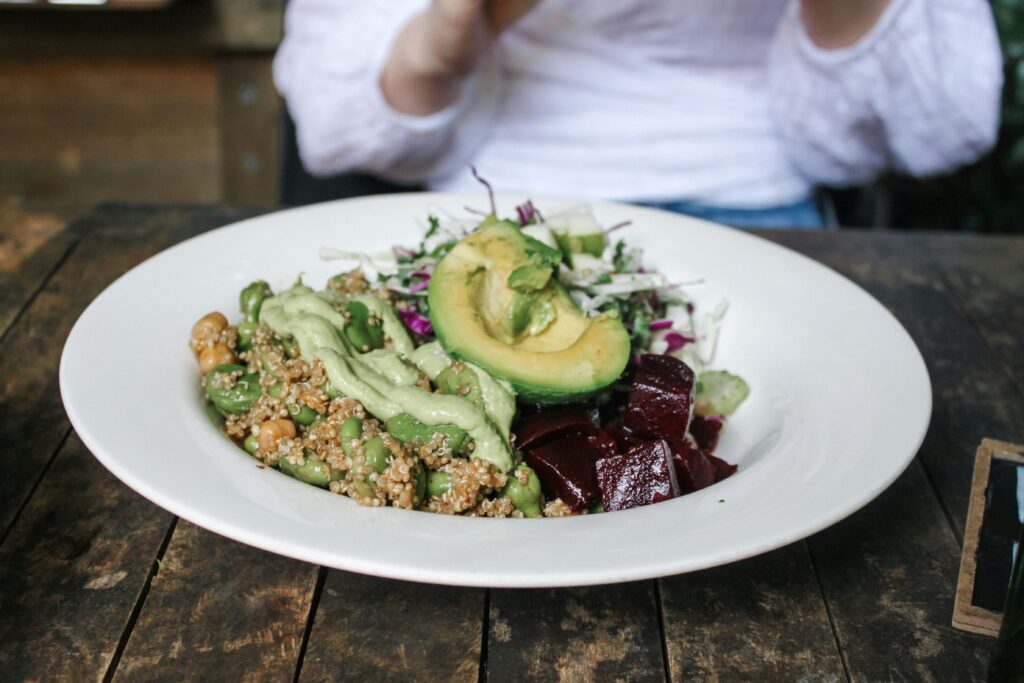
Add Gut-Supportive Foods
- Bone broth: 8-16 oz daily if tolerated. Bone broth provides collagen, gelatin, and glycine—amino acids that support gut lining repair. Make it yourself from chicken or beef bones simmered for 12-24 hours, or buy high-quality versions without additives.
- Fermented foods: Sauerkraut, kimchi, kefir, yogurt—if you tolerate dairy. Start with small amounts—1-2 tablespoons daily—and increase gradually. Fermented foods provide beneficial bacteria and postbiotic compounds—metabolites that bacteria produce—that support barrier function.
- Cooked vegetables: Steamed, roasted, or sautéed vegetables are easier to digest than raw during repair. Focus on anti-inflammatory options like leafy greens, zucchini, carrots, sweet potatoes, squash. Avoid raw cruciferous vegetables—broccoli, cauliflower, cabbage—which can increase bloating during the repair phase.
- Healthy fats: Olive oil, avocado, coconut oil, grass-fed butter or ghee. Fat slows digestion, which gives your gut lining time to process food without overwhelming damaged areas. It also supports the absorption of fat-soluble vitamins—A, D, E, K—that your gut needs for repair.
Continue Foundation Supplements
Same as Phase 1: L-glutamine 5g daily, zinc 15-30mg, omega-3s 2-3g, vitamin D 2,000-4,000 IU. If you’ve been inconsistent, this is the phase where consistency pays off. Skipping days means your gut lining cells don’t have continuous access to the nutrients they need for repair.
Consider Adding
- Collagen peptides: 10-20g daily, mixed into smoothies, coffee, or water. Collagen provides glycine, proline, and hydroxyproline—amino acids concentrated in connective tissue that support gut lining structure. Some research suggests collagen peptides improve gut barrier function and reduce inflammation. [9]
- Quercetin: 500-1,000mg daily. Quercetin is a flavonoid with anti-inflammatory properties that may support tight junction integrity and reduce intestinal permeability. [10] It’s found in onions, apples, and berries, but therapeutic amounts require supplementation.
What to expect: Less bloating by week 6-8. Foods that previously caused immediate reactions—bloating within 30 minutes, brain fog, fatigue—start causing milder reactions or no reaction at all. You’re not completely healed, but you’re noticeably better. Energy after meals improves because your gut isn’t leaking inflammatory compounds into your bloodstream every time you eat.
Phase 3: Weeks 13-16+ (Maintenance and Monitoring)
By week 12-16, most women notice significant improvement. Bloating is occasional rather than constant. Food sensitivities are reduced or resolved. Energy is stable throughout the day. Post-meal fatigue is gone. This is when you transition from active repair to maintenance.
Continue Core Nutrients (But Consider Reducing Doses)
- L-glutamine: You can reduce to 2.5-5g daily or take it only 5 days per week instead of 7. Your gut lining is rebuilt, but ongoing support helps maintain barrier function, especially during times of stress or illness.
- Zinc, omega-3s, vitamin D: Continue indefinitely at maintenance doses. These aren’t just for gut repair—they support overall immune function, inflammation control, and long-term health.
Reintroduce Foods Strategically
If you eliminated gluten, dairy, or other potential triggers, this is when you test reintroduction. Do it systematically:
- Choose one food to test
- Eat a normal serving of that food
- Monitor symptoms for 72 hours (not just immediate reactions—delayed reactions are common)
- If no reaction, that food is safe to reintroduce
- If you react, eliminate it again and retest in another 30-60 days
Don’t reintroduce multiple foods at once. If you react, you won’t know which food caused it.
Monitor for Regression
Gut lining damage can recur if you return to inflammatory habits—chronic stress, regular NSAID use, excessive alcohol, highly processed diet. Pay attention to early warning signs: bloating returns, food sensitivities reappear, post-meal fatigue comes back. These signal that your gut barrier is becoming permeable again.
If symptoms return, go back to Phase 1 for 2-4 weeks. Gut repair isn’t one-and-done—it’s an ongoing process of maintenance and occasional repair cycles when life stress, illness, or dietary indiscretions cause temporary damage.
The Supplement That Fits Into This Protocol

If you recognize this pattern: Bloating after most meals, food sensitivities that seem to multiply, brain fog that gets worse after eating, post-meal fatigue that makes you want to nap, and the sense that your body is reacting to everything you put in it.
Most gut repair supplements are either overpriced probiotic blends that don’t address barrier function or isolated nutrients at doses too low to support cellular repair. You end up spending $60-100 per month on products designed to look comprehensive but that miss the therapeutic amounts your gut lining actually needs.
Medical Disclaimer: The information in this article is for educational purposes only and is not intended as medical advice. Always consult with a qualified healthcare provider before starting any new supplement, especially if you have inflammatory bowel disease, are taking immunosuppressant medications, blood thinners, or have other health concerns. Gut repair supplements are not intended to diagnose, treat, cure, or prevent any disease and should not replace prescribed medication without medical supervision.
Advanced Amino Formula provides 5g of L-glutamine per serving—the therapeutic dose used in research showing improved gut barrier function—plus a complete essential amino acid profile. Your gut lining cells don’t just need glutamine. They need all nine essential amino acids to rebuild proteins, repair tight junctions, and maintain the mucus layer. This formula provides both in a single product.
- The quality markers that matter: pharmaceutical-grade amino acids, third-party tested for heavy metals and contaminants, no fillers or artificial ingredients. You’re getting the building blocks your gut lining needs to repair, not a proprietary blend with undisclosed amounts of each ingredient.
- Here’s why this is appropriate for gut barrier repair specifically: L-glutamine is the primary fuel source for intestinal epithelial cells—the cells that form your gut lining. Research shows that 5g daily improves intestinal permeability, reduces inflammation, and supports tight junction integrity in people with gut damage. [11] The essential amino acid profile ensures your gut lining has access to all the raw materials needed for protein synthesis and cellular repair, not just one isolated amino acid.
- What makes it different from probiotics: this addresses the foundation—the gut lining itself—rather than the bacteria that colonize it. Probiotics are valuable once your gut lining is repaired, but they can’t rebuild the barrier. You need amino acids for that. This is why women who take probiotics for months without improvement often see dramatic changes when they add L-glutamine and essential amino acids to the protocol.
- The realistic timeline:
weeks 1-4, you’re probably not noticing much. Your gut lining is rebuilding at the cellular level, but that hasn’t translated to symptom relief yet.
Weeks 5-8, bloating decreases noticeably. Foods that caused immediate reactions start causing milder reactions or none at all.
Weeks 9-12, food sensitivities improve significantly. You’re tolerating foods you couldn’t eat three months ago.
Weeks 13-16, sustained energy returns. Post-meal fatigue is gone. Your gut is no longer leaking inflammatory compounds into your bloodstream every time you eat.
Affiliate Disclosure: Serenis Naturals earns a commission when you purchase through our links, at no extra cost to you. We only recommend products that meet documented quality standards and are appropriate for the specific health concerns discussed in our articles.
The alternative is continuing to spend money on probiotics that can’t colonize a damaged gut lining, or trying isolated nutrients at doses too low to drive repair. For women dealing with bloating, food sensitivities, and post-meal exhaustion, addressing gut barrier function directly is the intervention most gut protocols skip.
When to See a Functional Medicine Practitioner
Most women can repair mild to moderate gut damage using the protocol above. But there are situations where professional guidance is necessary:
- If you’re not improving by week 8-10: Some improvement—less bloating, fewer reactions—should be visible by week 8. If you’re following the protocol consistently and seeing zero change, there’s likely an underlying issue that needs investigation. This could be SIBO—small intestinal bacterial overgrowth—parasites, H. pylori infection, inflammatory bowel disease, or severe dysbiosis that requires targeted antimicrobial treatment before repair can happen.
- If you have diagnosed inflammatory bowel disease: Crohn’s disease, ulcerative colitis, and other IBD conditions require medical management. This protocol can support gut health alongside medical treatment, but it’s not a replacement for pharmaceuticals or medical supervision.
- If you’re reacting to everything: If you’ve eliminated gluten, dairy, sugar, processed foods, and you’re still reacting to basic whole foods—chicken, rice, cooked vegetables—you may have mast cell activation or severe dysbiosis that needs professional assessment and treatment.
- If symptoms are severe: Severe abdominal pain, blood in stool, unintentional weight loss, chronic diarrhea, or symptoms that interfere with daily life warrant immediate medical evaluation. These can signal serious conditions that need diagnosis and treatment, not a DIY protocol.
A functional medicine practitioner can order comprehensive stool testing, SIBO breath tests, food sensitivity panels, and other diagnostic tools that reveal what’s driving your gut damage. They can also prescribe targeted antimicrobials, herbal protocols, or pharmaceutical interventions when necessary.
Week-by-Week Expectations: What “Normal” Healing Looks Like

Weeks 1-4: The Invisible Phase
You’re removing inflammatory triggers and providing repair nutrients, but you’re probably not feeling much different. Maybe slightly less bloated toward the end of week 4. This is when most people quit because they don’t see results. Don’t. Your gut lining is rebuilding at the cellular level—you just can’t feel it yet.
Weeks 5-8: The “Huh, That’s Different” Phase
Bloating decreases noticeably, especially after meals that previously caused problems. You’re not running to the bathroom as often. Brain fog lifts slightly. You notice you can eat foods that caused reactions two months ago without the same severity of symptoms. This is tight junctions closing and intestinal permeability decreasing.
Weeks 9-12: The Momentum Phase
Food sensitivities improve significantly. You’re tolerating a wider range of foods without reactions. Post-meal energy is better—you’re not crashing into exhaustion after lunch. Skin clears up if you had gut-related skin issues. This is when repair becomes obvious, and it’s also when people think they’re done and stop the protocol too early.
Weeks 13-16: The Stabilization Phase
Sustained energy throughout the day. Bloating is occasional rather than constant. You’re eating normally without fear of reactions. Your gut lining is rebuilt, and now you’re maintaining it. This is when you can start reintroducing eliminated foods and transitioning to maintenance doses of supplements.
What Derails Healing
- Inconsistency: Taking L-glutamine five days a week instead of seven means your gut lining doesn’t have continuous access to the fuel it needs. Skipping days adds weeks to the timeline.
- Stress: Chronic stress elevates cortisol, which directly damages tight junctions and slows repair. If you’re not managing stress—sleep, movement, breathing exercises, whatever works for you—gut repair takes longer.
- NSAIDs: One ibuprofen undoes days of repair work. If you’re taking NSAIDs regularly, gut healing won’t happen. Find alternatives with your doctor’s help.
- Alcohol: Even moderate alcohol—2-3 drinks per week—slows gut repair. If you’re serious about healing, eliminate it for the full 90 days.
- Quitting too early: Most women quit at week 4-6 when they don’t see dramatic changes. They’re quitting right before repair becomes visible. Gut healing takes time. If you’re not willing to commit to 12-16 weeks, don’t start.
The Most Asked Questions
Symptoms of increased intestinal permeability include bloating after meals, food sensitivities that multiply over time, post-meal fatigue or brain fog, skin issues like eczema or acne that don’t respond to topical treatment, joint pain without injury, and the sense that your body overreacts to everything you eat. If you have multiple symptoms from this list, addressing gut barrier function is worth trying even without formal testing. Comprehensive gut testing through a functional medicine practitioner can confirm intestinal permeability, but it’s expensive and often not necessary—if the protocol improves symptoms, that tells you the gut was part of the problem.
Yes, but wait until week 4-6 to add them. The first month focuses on repairing the gut lining so probiotics have a healthy surface to colonize. Once you’re into Phase 2 and seeing some improvement, adding a high-quality probiotic—look for multi-strain formulas with at least 10 billion CFUs—can support the beneficial bacteria population while your gut continues healing. Probiotics alone won’t fix a damaged gut lining, but they’re valuable once repair is underway.
A small percentage of people experience increased anxiety, insomnia, or digestive upset from L-glutamine, usually at doses above 10g daily. If you react to 5g, try reducing to 2.5g and increasing gradually over several weeks. If you still can’t tolerate it, focus on collagen peptides—10-20g daily—which provide glycine and proline for gut lining repair. Bone broth is another alternative, though it’s less concentrated than supplemental amino acids.
If you eliminated gluten during Phase 1, test reintroduction after 12-16 weeks of consistent gut repair. Eat a normal serving of gluten-containing food and monitor symptoms for 72 hours. If you experience bloating, brain fog, fatigue, or digestive issues, that suggests gluten is triggering inflammation and you should continue avoiding it. Some women find they can tolerate gluten again after gut repair; others discover they’re genuinely sensitive and feel better without it long-term.
The protocol is generally safe for IBS—irritable bowel syndrome—and can significantly improve symptoms by addressing underlying gut barrier dysfunction. For IBD—inflammatory bowel disease like Crohn’s or ulcerative colitis—this protocol can support gut health alongside medical treatment, but it’s not a replacement for pharmaceuticals. Always work with your gastroenterologist if you have diagnosed IBD. The supplements in this protocol are well-tolerated, but high-dose amino acids should be discussed with your doctor if you have active IBD flares.
Yes. Chronic stress elevates cortisol, which reduces blood flow to the digestive tract, slows gut motility, and directly loosens tight junctions. Research shows that psychological stress increases intestinal permeability even in healthy people. [12] If you’re following the dietary protocol and taking supplements but not addressing stress—through sleep, movement, meditation, therapy, whatever works—healing will be slower and less complete. Gut repair requires both physical support (nutrients, food) and nervous system regulation (stress management).
L-glutamine is the primary fuel source for intestinal epithelial cells—the cells that form your gut lining. It’s used directly by those cells to produce energy for repair and to maintain tight junction proteins. Collagen provides glycine, proline, and hydroxyproline—amino acids that support the structural integrity of connective tissue, including the gut lining. Both are valuable. L-glutamine addresses cellular energy and tight junction function. Collagen addresses structural support. Using both together is more effective than either alone.
More to Explore
If you’re wondering whether your energy problem is actually a gut problem: Bloating, food sensitivities, and post-meal fatigue signal that your gut is leaking inflammatory compounds into your bloodstream every time you eat. The gut-energy-hormone connection explains why fixing your gut often fixes your energy, the specific pattern that tells you gut repair should be your first priority, and why probiotics alone never solved the exhaustion.
If your thyroid labs are normal but you’re still exhausted and gaining weight: The gut-thyroid connection is direct—70% of your immune system lives in your gut, and intestinal permeability can trigger or worsen Hashimoto’s thyroiditis. The TSH range where gut repair becomes critical before thyroid medication, why addressing leaky gut sometimes improves thyroid antibodies, and the pattern that tells you whether to fix your gut first or your thyroid first.
If you’re taking supplements but timing them wrong: L-glutamine works best on an empty stomach—morning or before bed. Zinc needs food to prevent nausea. Omega-3s absorb better with fat-containing meals. The six timing mistakes that sabotage absorption even when you’re taking the right supplements at the right doses, and why when you take supplements matters as much as what you take.
If you’ve eliminated foods but don’t know when or how to reintroduce them: Reintroduction is systematic—one food at a time, normal serving size, 72-hour monitoring period. The step-by-step process for testing eliminated foods after gut repair, how to tell the difference between true sensitivity and temporary intolerance, and why testing too early means you’ll think you’re sensitive to foods you’ve actually healed enough to tolerate.
If you’re dealing with blood sugar crashes and wondering whether gut health affects that: Intestinal permeability triggers inflammation that worsens insulin resistance, and dysbiosis—bacterial imbalance—affects how your body processes glucose. Moringa’s effect on both blood sugar and gut inflammation over 6-8 weeks, why some women see blood sugar stabilize after gut repair without changing their diet, and the pattern that tells you whether blood sugar or gut health is the primary driver.
If you want to know exactly when to take each supplement for maximum absorption: The Supplement Timing Cheat Sheet walks you through optimal timing for gut repair nutrients—L-glutamine on an empty stomach, zinc with food, omega-3s with fat, probiotics away from antimicrobials—so you’re not sabotaging absorption by taking everything at once or combining nutrients that compete.
References
- Konturek, P. C., et al. (2011). Stress and the gut: pathophysiology, clinical consequences, diagnostic approach and treatment options. Journal of Physiology and Pharmacology, 62(6), 591-599.
- Bjarnason, I., et al. (1993). Side effects of nonsteroidal anti-inflammatory drugs on the small and large intestine in humans. Gastroenterology, 104(6), 1832-1847. https://doi.org/10.1016/0016-5085(93)90667-2
- Bode, C., & Bode, J. C. (2003). Effect of alcohol consumption on the gut. Best Practice & Research Clinical Gastroenterology, 17(4), 575-592. https://doi.org/10.1016/S1521-6918(03)00034-9
- Fasano, A. (2011). Zonulin and its regulation of intestinal barrier function. Physiological Reviews, 91(1), 151-175. https://doi.org/10.1152/physrev.00003.2008
- Kim, M. H., & Kim, H. (2017). The roles of glutamine in the intestine and its implication in intestinal diseases. International Journal of Molecular Sciences, 18(5), 1051. https://doi.org/10.3390/ijms18051051
- Sturniolo, G. C., et al. (2001). Zinc supplementation tightens “leaky gut” in Crohn’s disease. Inflammatory Bowel Diseases, 7(2), 94-98. https://doi.org/10.1097/00054725-200105000-00003
- Costantini, L., et al. (2017). Impact of omega-3 fatty acids on the gut microbiota. International Journal of Molecular Sciences, 18(12), 2645. https://doi.org/10.3390/ijms18122645
- Malaguarnera, L. (2019). Vitamin D and microbiota: Two sides of the same coin in the immunomodulatory aspects. International Immunopharmacology, 79, 106112. https://doi.org/10.1016/j.intimp.2019.106112
- Chen, Q., et al. (2017). Collagen peptides ameliorate intestinal epithelial barrier dysfunction in immunostimulatory Caco-2 cell monolayers via enhancing tight junctions. Food & Function, 8(3), 1144-1151. https://doi.org/10.1039/c6fo01347c
- Suzuki, T., & Hara, H. (2009). Quercetin enhances intestinal barrier function through the assembly of zonula occludens-2, occludin, and claudin-1 and the expression of claudin-4 in Caco-2 cells. Journal of Nutrition, 139(5), 965-974. https://doi.org/10.3945/jn.108.100867
- Benjamin, J., et al. (2012). Glutamine and whey protein improve intestinal permeability and morphology in patients with Crohn’s disease. Digestive Diseases and Sciences, 57(4), 1000-1012. https://doi.org/10.1007/s10620-011-1947-9
- Vanuytsel, T., et al. (2014). Psychological stress and corticotropin-releasing hormone increase intestinal permeability in humans by a mast cell-dependent mechanism. Gut, 63(8), 1293-1299. https://doi.org/10.1136/gutjnl-2013-305690
When Food Changes Alone Aren’t Moving the Needle Fast Enough
The gut changes of midlife described above respond to dietary shifts — but slowly, and inconsistently, because the environment they’re working in has changed hormonally. For women who have already tried dietary adjustments and want to support the gut lining and digestive enzyme activity more directly, Integrative Digestive Formula is formulated around the combination of enzymes, prebiotics, and gut-lining support that addresses multiple mechanisms simultaneously rather than one at a time.
The “surprising digestion secret” the vendor references is the combination approach — most people address either enzymes or probiotics or gut lining support. This addresses all three.
Some of the links on this page are affiliate links. If you make a purchase through one, we may earn a small commission — at no extra cost to you. It’s how we’re able to keep researching and publishing free, accessible guidance for women who need it.
Understand your pattern before trying anything
The Energy Detective Guide walks you through the five exhaustion patterns most common in women over 45 — so what you try next is pointed at the right mechanism, not just the most popular supplement.
→ Get the Free Energy Detective Guide