Understanding which anti-inflammatory foods actually help with bloating, brain fog, and afternoon energy crashes means knowing what’s causing your specific type of exhaustion.
You wake up puffy, jeans feel tight by mid-morning, brain fog settles in around 10 AM, and by 3 PM you’d pay money to nap—this isn’t random fatigue, it’s chronic inflammation telling a specific story.
If this describes your typical day, you’re dealing with chronic low-grade inflammation—the kind that doesn’t show up as an obvious illness, but quietly drains your energy, disrupts your digestion, and makes your brain feel wrapped in cotton.
What rarely gets mentioned in most articles about inflammation is: the bloating, brain fog, and afternoon crashes aren’t separate problems. They’re connected symptoms of gut barrier dysfunction—a breakdown in the single-cell layer lining your intestines that controls what enters your bloodstream. When this barrier weakens (which accelerates during perimenopause as estrogen declines), partially digested proteins leak through, triggering immune responses that steal energy from your cells and brain.
This article identifies seven anti-inflammatory foods that specifically target gut inflammation and support barrier repair—plus helps you recognize when food alone isn’t enough and you need additional intervention.
Why Inflammation Feels Like “Bloated and Foggy” Exhaustion

Before we dive into foods, let’s understand what’s actually happening in your body.
Chronic inflammation triggers your immune system to release cytokines—inflammatory messenger proteins that signal your brain to conserve energy. This is why you feel exhausted even after sleeping well.
Your body isn’t low on energy—it’s deliberately holding energy back because it thinks you’re fighting an infection.
The bloating comes from the same inflammatory process: damaged gut barrier → immune response → histamine release → fluid retention and digestive slowdown.
The brain fog? Inflammatory cytokines cross the blood-brain barrier, reducing neurotransmitter production and slowing neural communication—meaning your thoughts feel slow and scattered even though nothing is cognitively wrong with you.
This explains why eating a typical anti-inflammatory diet (lots of greens, lean protein, no processed food) sometimes helps a little but doesn’t solve the problem.
You’re reducing inflammatory triggers, but you’re not actively repairing the gut barrier that’s at the root of the cycle.
The seven foods below do both: they reduce inflammatory signals and provide compounds that strengthen intestinal tight junctions—the cellular “zippers” that hold your gut barrier together.
1. Fatty Fish (Salmon, Sardines, Mackerel): The Omega-3 Gut Barrier Repair Team
Why it helps your specific type of fatigue:
Omega-3 fatty acids—specifically EPA and DHA found in fatty fish—are among the most research-backed compounds for reducing inflammatory cytokines.
But here’s what matters for bloating and brain fog: omega-3s also strengthen tight junction proteins in your intestinal wall, reducing gut permeability (the “leaky gut” that’s triggering your inflammation in the first place).
A 2020 review in Nutrients summarized evidence that omega-3 fatty acids may help regulate intestinal permeability and inflammation, though direct clinical trial data in people with metabolic inflammation remain limited

How to use it effectively:
- Dose that matters: 3-4 servings per week of fatty fish (about 3-4 ounces per serving)
- Best preparation: Baked, grilled, or pan-seared (avoid deep frying, which creates inflammatory compounds)
- Timing tip: Pair with leafy greens (the vitamin K enhances omega-3 absorption)
- What to watch for: If you don’t notice reduced bloating or improved energy within 3-4 weeks of consistent intake, your inflammation may be too severe for food alone to address
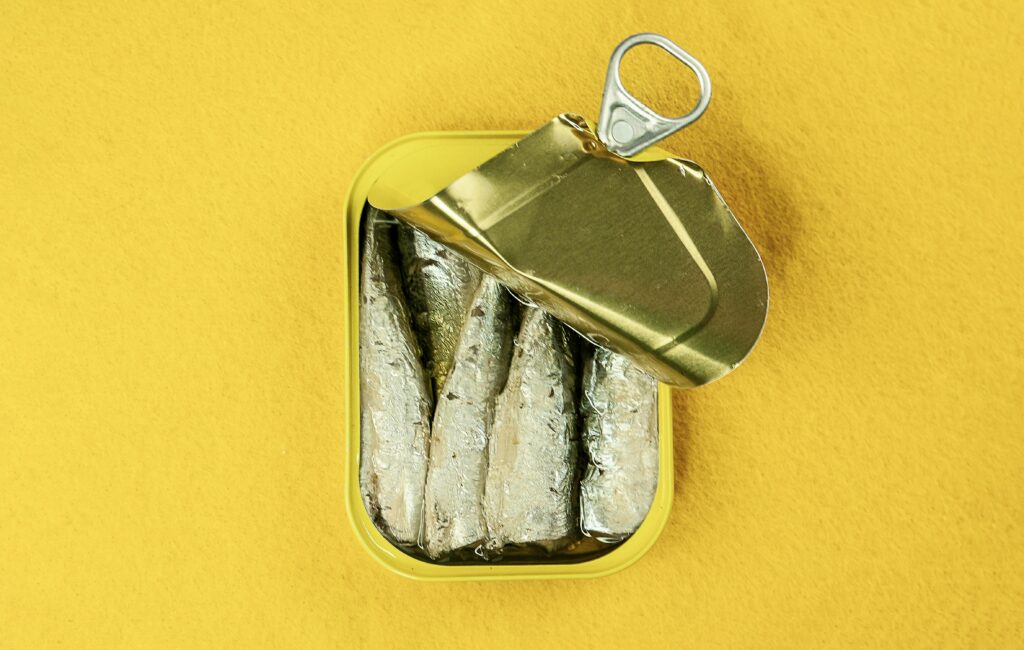
Why sardines specifically: Small fish accumulate fewer heavy metals than large fish like tuna. Sardines also provide CoQ10—a compound that supports mitochondrial energy production, addressing the cellular fatigue underlying your exhaustion.
2. Fermented Foods (Sauerkraut, Kimchi, Kefir): The Probiotic Gut Barrier Builders
Why it helps your specific type of fatigue:
But probiotics do something else critical for energy: they reduce lipopolysaccharides (LPS)—bacterial toxins that leak through damaged gut barriers and trigger systemic inflammation. Lower LPS means fewer inflammatory cytokines signaling your brain to stay tired.
Fermented foods contain live beneficial bacteria—probiotics—that colonize your gut and produce short-chain fatty acids like butyrate. Butyrate is the primary fuel for your intestinal lining cells, helping them maintain the tight junctions that prevent gut permeability.
A 2019 study in Frontiers in Immunology showed that probiotic-rich diets reduced inflammatory markers and improved energy levels in people with chronic fatigue, with the greatest benefits appearing after 6-8 weeks of consistent intake.

How to use it effectively:
- Dose that matters: 1-2 servings daily of live-culture fermented foods (½ cup sauerkraut, ¼ cup kimchi, or 6-8 oz kefir)
- Best timing: With meals (the food buffers stomach acid, helping probiotics survive to reach your intestines)
- Start low: If you’re very bloated, start with 1-2 tablespoons daily and increase gradually—too much too fast can worsen bloating initially as your gut microbiome adjusts
- What to watch for: Increased gas in week 1-2 is normal (your gut bacteria are shifting). If bloating worsens beyond week 3, you may have SIBO (small intestinal bacterial overgrowth) and need medical evaluation before adding more probiotics

Why kefir over yogurt: Kefir contains 10-30 different probiotic strains (yogurt typically has 2-3), and kefir bacteria are more likely to colonize your gut rather than just passing through. Choose plain, unsweetened kefir—sugar feeds inflammatory bacteria.
3. Leafy Greens (Spinach, Kale, Swiss Chard): The Nitrate-to-Energy Converters
Why it helps your specific type of fatigue:
Leafy greens provide dietary nitrates—compounds your body converts to nitric oxide, which improves blood flow and oxygen delivery to cells and brain tissue. Better oxygen delivery means less brain fog and more cellular energy production.
But here’s the gut-energy connection: leafy greens also provide magnesium and folate—cofactors (helper nutrients that make biochemical reactions work) for producing ATP, your cellular energy currency.
Many women over 45 are functionally deficient in both due to gut absorption issues, creating an energy production bottleneck even when thyroid and iron levels are normal.
A 2021 study in Clinical Nutrition found that increasing leafy green intake improved cognitive function (reduced brain fog) and energy levels in perimenopausal women, with benefits emerging around week 4 of consistent consumption.
How to use it effectively:
- Dose that matters: 2-3 cups daily (raw measurement) or 1 cup cooked
- Best preparation: Lightly sautéed with olive oil and garlic (the fat increases absorption of fat-soluble vitamins A, E, and K)
- Timing tip: Eat greens earlier in the day (the magnesium supports afternoon energy; eating them at dinner can disrupt sleep in sensitive people)
- Pair with vitamin C: Add lemon juice or bell peppers to enhance iron absorption from greens (important if you also have pale, breathless fatigue)

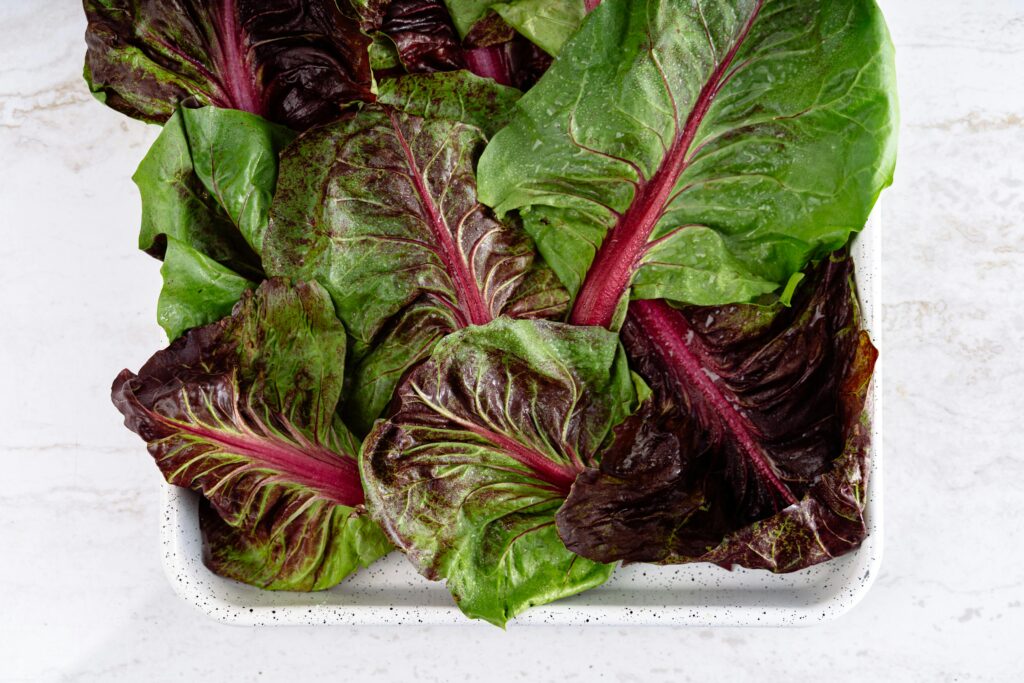
Why Swiss chard specifically: Chard provides betalains—antioxidant pigments that reduce oxidative stress in gut lining cells, supporting barrier repair. The red and rainbow varieties contain the highest betalain content.
4. Berries (Blueberries, Strawberries, Raspberries): The Blood Sugar Stabilizers

Why it helps your specific type of fatigue:
Berries are among the few fruits that reduce inflammation rather than contributing to it. They contain anthocyanins—antioxidant compounds that reduce inflammatory cytokines and improve insulin sensitivity, helping stabilize blood sugar throughout the day.
Blood sugar swings are a hidden driver of afternoon energy crashes.
When blood sugar spikes after meals (even “healthy” meals with too many carbs), insulin surges to bring it down—but often overshoots, creating a crash that feels identical to inflammatory fatigue. Berries blunt these spikes.
A 2017 study in The Journal of Nutrition found that daily berry consumption reduced inflammatory markers and improved energy stability in women with metabolic syndrome—a condition that shares features with perimenopausal metabolic changes, including insulin resistance and chronic inflammation.
How to use it effectively:
- Dose that matters: 1-1.5 cups daily (fresh or frozen—freezing preserves anthocyanins)
- Best timing: With breakfast or as a mid-morning snack (the fiber and antioxidants stabilize blood sugar through the afternoon crash window)
- Protein pairing: Combine berries with protein (Greek yogurt, nuts, or seeds) to further blunt blood sugar spikes
- What to avoid: Berry juices (remove the fiber that slows sugar absorption) or sweetened dried berries (concentrated sugar negates anti-inflammatory benefits)
Why blueberries specifically: Blueberries have the highest anthocyanin content per serving and cross the blood-brain barrier, directly reducing neuroinflammation—the brain inflammation driving your fog and mental fatigue.

5. Extra Virgin Olive Oil: The Polyphenol Inflammation Fighter

Why it helps your specific type of fatigue:
Extra virgin olive oil (EVOO) contains oleocanthal—a polyphenol compound that works similarly to ibuprofen, reducing inflammatory prostaglandins (hormone-like substances that drive inflammation) without the side effects of NSAIDs.
But unlike ibuprofen, oleocanthal also supports gut barrier function by reducing oxidative damage to intestinal cells.
EVOO also provides oleic acid, a monounsaturated fat that reduces inflammatory markers and improves nutrient absorption—meaning the other anti-inflammatory foods on this list work more effectively when consumed with olive oil.
A 2018 study in Nutrients found that high-polyphenol olive oil reduced inflammatory cytokines and improved energy levels in women with chronic inflammation, with optimal benefits at 3-4 tablespoons daily.
How to use it effectively:
- Dose that matters: 2-4 tablespoons daily
- Best uses: Drizzle on cooked vegetables, use as salad dressing base, or take 1 tablespoon straight (yes, really—some women swear by this for afternoon energy)
- Quality matters: Look for “extra virgin,” harvest date within 18 months, and bottles stored in dark glass (light degrades polyphenols). The oil should taste slightly peppery or bitter—that “throat catch” sensation is oleocanthal.
- What to avoid: Cooking at high heat (above 375°F damages polyphenols). Use EVOO for low-medium heat cooking or add it after cooking.
Why quality matters more than quantity: Cheap “olive oil” is often refined (polyphenols removed) or blended with inflammatory seed oils. One tablespoon of high-quality EVOO provides more anti-inflammatory benefit than four tablespoons of low-quality oil.

6. Turmeric (with Black Pepper): The Curcumin Inflammation Blocker

Why it helps your specific type of fatigue:
Turmeric contains curcumin—one of the most researched anti-inflammatory compounds in nutrition science.
Curcumin reduces inflammatory cytokines, supports gut barrier repair, and crosses the blood-brain barrier to reduce neuroinflammation (the inflammation causing your brain fog).
But here’s the catch most articles miss: curcumin has extremely poor bioavailability—your body absorbs and uses very little from food alone.
Black pepper contains piperine, a compound that increases curcumin absorption by 2,000%. Without piperine, you’re getting minimal benefit.
A 2018 systematic review in Foods found that curcumin supplementation (with piperine for absorption) reduced fatigue and improved cognitive function in people with chronic inflammation, with benefits emerging around week 3-4 of consistent use.
How to use it effectively:
- Dose that matters: 1-2 teaspoons ground turmeric daily, always paired with black pepper (at least ¼ teaspoon per meal)
- Best preparation: Mix into curry dishes, golden milk (turmeric + warm milk or plant milk + honey), or add to scrambled eggs
- Fat pairing: Consume with fat (olive oil, coconut oil, or avocado)—curcumin is fat-soluble and absorbs better with dietary fat
- Timing consideration: Some women report better energy taking turmeric in the morning; others find it helps with overnight inflammation repair when taken at dinner
Why food turmeric isn’t always enough: Even with pepper and fat, food turmeric provides relatively low curcumin doses (200-400mg) compared to therapeutic amounts (1,000-2,000mg).
If you’re eating turmeric consistently for 4-6 weeks with no improvement in bloating or energy, this signals your inflammation may need more concentrated intervention (we’ll address this below).

7. Ginger: The Digestive Inflammation Calmer

Why it helps your specific type of fatigue:
Ginger contains gingerols and shogaols—compounds that reduce inflammatory prostaglandins and speed gastric emptying, directly addressing the bloating and digestive slowdown that accompanies gut inflammation.
Faster gastric emptying means less fermentation in your stomach and intestines, reducing the gas and discomfort that make you feel heavy and tired.
Ginger also reduces nausea and improves nutrient absorption by stimulating digestive enzyme production—meaning you get more nutritional value from the other anti-inflammatory foods you’re eating.
A 2020 study in Phytotherapy Research found that ginger supplementation reduced inflammatory markers and improved digestive symptoms in people with functional GI disorders, with many participants reporting improved energy as bloating decreased.
How to use it effectively:
- Dose that matters: 1-2 grams fresh ginger daily (about 1-inch piece, peeled and grated) or ¼-½ teaspoon dried ginger powder
- Best preparation: Fresh ginger tea (steep grated ginger in hot water 5-10 minutes), grated into stir-fries, or blended into smoothies
- Timing that matters: Before or with meals (stimulates digestive enzymes and prevents bloating)
- Start gradually: Too much ginger on an empty stomach can cause heartburn in sensitive people—start with ½ gram and increase
Why fresh over powdered: Fresh ginger contains higher levels of gingerols (the primary anti-inflammatory compounds), while dried ginger has more shogaols (which are better for pain relief but less effective for bloating). Use fresh when possible for digestive symptoms.

When Food Alone Isn’t Enough: Recognizing the Gap
Here’s the honest truth about anti-inflammatory foods: they work if your inflammation is mild to moderate and your gut barrier damage is in the early stages.
If you’ve been eating these seven foods consistently for 4-6 weeks and you’re still experiencing:
- Morning puffiness that doesn’t resolve by mid-day
- Brain fog that makes it hard to complete familiar tasks
- Afternoon energy crashes requiring caffeine just to function
- Bloating that worsens throughout the day regardless of what you eat
- Weight gain around your midsection despite no diet changes
…then food alone is likely not providing the concentrated anti-inflammatory and gut-repair compounds you need to break the cycle.
This doesn’t mean you’re failing or doing something wrong. It means the gut barrier damage and inflammatory cascade have progressed beyond what dietary changes can reverse on their own.

What Concentrated Anti-Inflammatory Support Looks Like

When food-based approaches reach their limit, the gap isn’t willpower or effort — it’s dose.
A tablespoon of turmeric gives you roughly 200-400mg of curcumin. Research on chronic inflammation uses 1,000-2,000mg. A serving of ginger provides meaningful gingerols, but not at the concentration your gut needs when barrier damage is already established.
Food is a foundation. But once inflammation has dug in, you need concentrated support that food simply can’t deliver.
Here’s the practical challenge: most supplements marketed for inflammation give you one or two isolated compounds — curcumin alone, or omega-3s alone. But the bloating, brain fog, and afternoon exhaustion you’ve been reading about aren’t driven by a single missing nutrient.
And this is where the next gap shows up — not just in dose, but in the narrow way most supplements try to solve a whole‑system problem.
They’re driven by a whole-system process that’s draining iron, magnesium, vitamins A and C, antioxidants, and the compounds that hold your gut lining together — all at once.
Which brings us to an important moment — the point where you step back and look at the full picture of what you’ve already tried.

Pause here for a moment…
You’ve just read through seven foods, their mechanisms, their timing, their limits.
That’s not casual reading. You came here because something specific isn’t working —
and you’ve probably already tried eating better.
You’ve cut things out. Added things in. Been consistent for a few weeks. And felt
either nothing, or a small improvement that quietly plateaued before you felt like
yourself again. That plateau isn’t failure. It’s information.
It means your inflammation has moved past the point where food alone can close the
gap — not because you didn’t try hard enough, but because the dose food delivers
simply isn’t high enough to match what your body needs right now.
The bloating, the fog, the afternoon wall — they didn’t build in two weeks. They
won’t unravel in two weeks either. What actually moves the needle is consistent,
concentrated support held long enough for your gut lining to repair, for
inflammatory signals to quiet, for your cells to start producing energy the way
they’re supposed to.
Research points to 8-12 weeks. Not a two-week experiment. Not a single bottle
you finish and reassess.
The question worth sitting with isn’t “should I try something?” — you’re already
past that. It’s “will I give it enough time to actually work?”
That’s what the product below is designed around.
And that’s exactly where a whole‑leaf, whole‑compound anti‑inflammatory source becomes more than a supplement — it becomes the missing piece in the timeline your body actually needs. That’s the gap Moringa Magic addresses.
- 100% pure moringa leaf — not an extract, not a blend. Whole leaf means you get the full compound profile intact: isothiocyanates that help calm inflammatory signals throughout your gut, quercetin that supports the tight junctions holding your gut lining together, and the antioxidants that repair cellular damage from chronic inflammation. Not one compound in isolation — the whole picture working together the way research actually used it.
- Iron, calcium, vitamins A, C, and E — the exact nutrients chronic inflammation burns through fastest. When your gut barrier is compromised, you’re absorbing less from food even when you’re eating well. That’s why you can eat a full anti-inflammatory diet and still feel depleted. These come in forms your body recognises and can use even when absorption is impaired.
- Capsule form so consistency isn’t a battle. Moringa powder has a strong, bitter taste that’s genuinely hard to mask — even in smoothies. Most people make it 5-7 days before the taste wins. Capsules remove that barrier entirely. You take them, you move on — which is the only way to stay consistent long enough for the 8-12 week anti-inflammatory timeline to deliver.
- Pricing: $79 (1 bottle), $177 (3 bottles), or $294 (6 bottles). The 6-bottle option includes free shipping and 2 free eBooks, works out to $1.63/day.
- Interesting detail: 98% of customers choose the 6-bottle package. Probably because once you understand that inflammation patterns take 8-12 weeks to truly settle, running out at week 6 — right when the deeper shifts are starting — would be frustrating.
- 13,176+ customer reviews — way more signal than a handful of testimonials.
- 60-day money-back guarantee — longer than the 8-week window where most people start feeling the real shift. Less bloating, clearer thinking, steadier energy. You’re not making a final call at week 3 when your body is still adjusting.
We detail the complete research on moringa for inflammatory fatigue here, including what studies show about timing, realistic expectations, and how to monitor whether it’s working for your specific situation.
How to Know If You Need More Than Food
Use this decision framework:

Food-Based Approach Is Likely Sufficient If:
- Your bloating and brain fog started within the last 6-12 months
- Symptoms fluctuate (some days better, some worse)
- You notice some improvement when you eat anti-inflammatory foods consistently
- Afternoon crashes happen 2-3 days per week, not daily
- Your energy improves with stress reduction and good sleep
You May Need Concentrated Intervention If:
- Symptoms have been consistent for 1+ years
- Bloating and fatigue are daily, regardless of dietary changes
- You’ve tried eliminating inflammatory foods (gluten, dairy, sugar) with minimal improvement
- Brain fog interferes with work or daily tasks
- You wake up already tired, even after 7-8 hours of sleep
- Food-based approaches helped initially but plateaued
Medical Evaluation Is Urgent If:
- Sudden, severe fatigue that prevents normal activities
- Unexplained weight loss (10+ pounds in 2 months)
- Chronic diarrhea or blood in stool
- Severe abdominal pain or vomiting
- Symptoms that worsen rapidly over days/weeks
The middle category is where most women with persistent inflammatory fatigue find themselves—food helps somewhat, but doesn’t resolve the underlying issue. This is where understanding the gap between dietary anti-inflammatory compounds and therapeutic doses becomes critical for actually breaking the cycle.
Your 2-Week Anti-Inflammatory Food Test
If you want to determine whether food alone can address your inflammation, commit to this protocol:
Days 1-14: Baseline Test
- Include all 7 foods daily (see portions above)
- Track symptoms:
- morning puffiness (yes/no)
- brain fog severity (1-10 scale)
- afternoon energy crash (yes/no)
- bloating severity (1-10 scale)
- Note any improvements or worsening
Week 3-4: Evaluation Window
- Anti-inflammatory benefits typically emerge around week 3-4 if food is sufficient
- If bloating decreased by 30%+ or brain fog noticeably improved, food approach is working—continue
- If symptoms unchanged or improved <20%, food alone is likely insufficient
Week 6-8: Decision Point
- Maximum food-based benefits appear by week 6-8
- If you’ve reached this point with persistent symptoms despite dietary consistency, consider concentrated intervention
Track honestly. Many women want food to be enough (it’s simpler, cheaper, more “natural”), so they minimize symptoms or convince themselves small changes are bigger than they are. Your body will tell you the truth if you listen.
Common Questions We Hear
You could, but you’d miss critical benefits. Whole foods provide fiber that feeds beneficial gut bacteria, which produce anti-inflammatory compounds supplements don’t contain. Foods also supply hundreds of phytonutrients (plant compounds) that work synergistically—meaning they enhance each other’s effects. Supplements provide concentrated doses of specific compounds but lack this synergy.
The best approach: eat anti-inflammatory foods as your foundation, add concentrated supplementation if food isn’t sufficient. Never use supplements to replace a poor diet—that’s like taking aspirin for a headache while someone hits you with a hammer.
“Healthy” often means different things. You might be eating plenty of vegetables but cooking them in inflammatory seed oils. or eating anti-inflammatory foods at lunch but having inflammatory processed foods at breakfast and dinner, negating the benefits. Another common issue: eating anti-inflammatory foods but in portions too small to make a difference (a handful of berries once a week won’t counter chronic inflammation).
Finally, some people have food sensitivities that override anti-inflammatory benefits—for example, if you’re sensitive to nightshades, eating tomatoes (typically anti-inflammatory) will trigger inflammation in your specific body. Consider tracking all foods for 2 weeks to identify patterns between what you eat and how you feel 2-4 hours later.
Most of these foods are safe with common medications, but a few considerations:
Fatty fish/fish oil can have mild blood-thinning effects (inform your doctor if you take warfarin or other anticoagulants).
Turmeric may interact with blood thinners and diabetes medications—it can enhance their effects, potentially requiring dose adjustments.
Ginger in large amounts (>4 grams daily) may interact with blood thinners.
Fermented foods are generally safe but if you’re on immunosuppressants, discuss probiotic intake with your doctor.
For most women on thyroid medication, blood pressure medication, or cholesterol medication, these foods are safe and often beneficial. Always inform your doctor about significant dietary changes, especially if you take multiple medications.
Realistic timeline based on research and what I’ve observed:
Week 1-2: Digestive changes often appear first—less gas, more regular bowel movements, slightly reduced bloating. Energy typically hasn’t improved yet.
Week 3-4: This is when most women notice improved energy—afternoon crashes become less severe or happen fewer days per week. Brain fog may start lifting, making focus easier.
Week 6-8: Maximum food-based benefits typically appear here. Bloating should be noticeably reduced, energy more consistent, brain fog significantly improved. If you’ve reached week 8 with minimal improvement, food alone is likely insufficient for your level of inflammation.
Important: these timelines assume consistent daily intake of therapeutic portions. Eating salmon once a week or adding berries occasionally won’t produce these results.
This requires more nuance. If you have diagnosed IBS or SIBO (small intestinal bacterial overgrowth), some of these foods may worsen symptoms initially:
Fermented foods can increase bloating if you have bacterial overgrowth—start very slowly (1 tablespoon daily) or skip entirely until gut bacteria are rebalanced.
Leafy greens are high in FODMAPs (fermentable carbohydrates that feed bacteria)—if they worsen bloating, try low-FODMAP vegetables like spinach (not kale) or cook thoroughly to reduce FODMAP content.
Berries are generally well-tolerated but if they cause issues, stick to blueberries and strawberries (lower FODMAP than blackberries or raspberries).
Fatty fish, olive oil, turmeric, and ginger are usually safe for IBS/SIBO. If you have diagnosed IBS or SIBO, work with a practitioner familiar with low-FODMAP approaches—these anti-inflammatory foods can still help but may need strategic timing and preparation modifications.
Key Take-aways on Anti-Inflammatory Foods and Energy

Chronic inflammation—driven by gut barrier dysfunction, perimenopausal hormone shifts, and stress—creates the specific constellation of bloating, brain fog, and afternoon exhaustion that no amount of sleep seems to fix.
The seven foods in this article target this inflammation through multiple pathways: reducing inflammatory cytokines, supporting gut barrier repair, stabilizing blood sugar, and providing the cofactors needed for cellular energy production.
For many women with mild to moderate inflammation, consistent intake of these foods (at therapeutic portions, not occasional small amounts) produces noticeable improvement within 3-6 weeks.
But food has limits. When inflammation and gut barrier damage have progressed beyond early stages, dietary approaches plateau. The gap between dietary anti-inflammatory compounds and therapeutic doses becomes the difference between feeling slightly better and actually breaking the inflammatory cycle.
If you’ve been eating well for weeks with minimal improvement, that’s not failure—it’s information. It tells you food alone isn’t providing the concentrated intervention your body needs right now.
Understanding this gap is what makes the difference between guessing and actually breaking the cycle. If food has helped somewhat but plateaued — or if you haven’t tried a concentrated whole-food approach yet — Moringa Magic is where most women with this specific pattern start. If you’re not sure whether your fatigue is driven by inflammation, gut dysfunction, or something else entirely, the Energy Detective Starter Kit helps you map that before spending money on the wrong intervention.
The goal isn’t to eat perfectly or find the one magical food. It’s to give your body the anti-inflammatory support it needs—at the intensity it needs—so you can feel energized, clear-headed, and comfortable in your body again.
Start with food. Monitor honestly. Bridge the gap when needed.
Want deeper research on inflammatory fatigue solutions? Read: Moringa Benefits for Women Over 45: What the Research Shows
Dealing with thyroid-related fatigue? See: Can You Take Moringa with Thyroid Medication?
Need to identify your specific fatigue type? Download: Energy Detective Starter Kit (Free Guide)
Affiliate Disclosure: Some of the links on this page are affiliate links. If you make a purchase through one, we may earn a small commission — at no extra cost to you. It’s how we’re able to keep researching and publishing free, accessible guidance for women who need it.
References
- Calder PC. Omega-3 fatty acids and inflammatory processes: from molecules to man. Biochemical Society Transactions. 2017;45(5):1105-1115.
- Malesza IJ, Malesza M, Walkowiak J, et al. High-Fat, Western-Style Diet, Systemic Inflammation, and Gut Microbiota: A Narrative Review. Cells. 2021;10(11):3164.
- Slavin JL, Lloyd B. Health Benefits of Fruits and Vegetables. Advances in Nutrition. 2012;3(4):506-516.
- Guasch-Ferré M, Liu G, Li Y, et al. Olive Oil Consumption and Cardiovascular Risk in U.S. Adults. Journal of the American College of Cardiology. 2020;75(15):1729-1739.
- Hewlings SJ, Kalman DS. Curcumin: A Review of Its Effects on Human Health. Foods. 2017;6(10):92.
- Mashhadi NS, Ghiasvand R, Askari G, et al. Anti-oxidative and anti-inflammatory effects of ginger in health and physical activity: review of current evidence. International Journal of Preventive Medicine. 2013;4(Suppl 1):S36-S42.
- Sender R, Fuchs S, Milo R. Revised Estimates for the Number of Human and Bacteria Cells in the Body. PLoS Biology. 2016;14(8):e1002533.
- Camilleri M. Leaky gut: mechanisms, measurement and clinical implications in humans. Gut. 2019;68(8):1516-1526.