Understanding moringa benefits for women over 45 means cutting through the superfood hype to find actual research. You’ve probably seen moringa mentioned in perimenopause groups, noticed friends swearing it helped their afternoon brain fog, or scrolled past countless “moringa miracle” claims online—but what does the science actually say?
Here’s what makes moringa different from the usual supplement hype: it’s one of the most researched plants in nutritional science, with over 1,300 published studies. But most moringa marketing ignores the specific ways it addresses energy challenges women over 45 actually face.
I’ve spent three months digging through the research to understand what moringa can—and can’t—do for midlife energy. This article breaks down the peer-reviewed evidence, explains why moringa targets specific perimenopause energy drains, and shows you how to evaluate quality if you decide to try it.
What Actually Is Moringa (Beyond the “Superfood” Label)?
Moringa oleifera is a drought-resistant tree native to the Himalayan foothills. For 4,000 years, Ayurvedic and traditional African medicine have used its leaves to address inflammation, nutritional deficiencies, and metabolic disorders—three issues that happen to intensify during perimenopause and menopause.

Here’s what matters for energy: moringa leaves contain an unusually dense concentration of bioavailable nutrients. We’re talking 90+ vitamins, minerals, and phytonutrients in forms your body can actually absorb and use.
But “nutrient-dense” doesn’t automatically mean “energy-boosting.” The reason moringa keeps appearing in research about fatigue has to do with how those nutrients work together—particularly for women experiencing hormonal shifts.
Why Does Moringa Keep Coming Up in Perimenopause Research?
If you’ve read the 7 Hidden Energy Drains article, you know that midlife fatigue rarely comes from a single vitamin deficiency. It’s usually a combination of inflammation, gut barrier changes, oxidative stress, and nutrient absorption issues—all of which accelerate as estrogen declines.
Moringa addresses multiple energy drains simultaneously, which is why it appears in research across different specialties:
Endocrinology studies examine how moringa’s isothiocyanates—sulfur-containing compounds that reduce inflammation—support thyroid function and blood sugar stability.
Gastroenterology research focuses on moringa’s effect on gut barrier integrity, which deteriorates in perimenopause and blocks nutrient absorption (even when you’re eating well).
Nutrition science investigates moringa’s bioavailability advantage: its iron comes with vitamin C, its calcium includes vitamin K, and its antioxidants work synergistically—meaning they enhance each other’s effects rather than competing for absorption.
This multi-pathway approach matters because the “Bloated & Foggy” energy pattern I identified in our Energy Detective Starter Guide rarely responds to single-nutrient supplements. You need something that addresses the underlying inflammatory and gut dysfunction driving the fatigue.
Can Moringa Actually Help With Menopause Fatigue?
Let’s look at what the research shows—and doesn’t show.
Does It Reduce the Inflammation That Tanks Midlife Energy?

Yes, and the mechanism is well-documented.
Who should speak with their provider before starting Moringa Magic:
- Women taking metformin or blood sugar medication — moringa has glucose-lowering effects that may compound medication activity
- Women taking levothyroxine or thyroid medication — take moringa at a minimum 4-hour gap from thyroid medication to avoid absorption effects
- Women who are pregnant, breastfeeding, or trying to conceive
- Women whose fatigue connects primarily to iron deficiency or thyroid dysfunction — Moringa Magic targets blood sugar-driven energy, not those patterns
A 2014 study in the Journal of Food Science and Technology measured inflammatory markers in postmenopausal women who consumed 7 grams of moringa leaf powder daily for three months.
Researchers found a 33% reduction in malondialdehyde—a marker of oxidative stress—and significant decreases in fasting blood glucose.
Here’s why this matters for energy: chronic low-grade inflammation (what researchers call “inflammaging”) accelerates after menopause. This triggers your immune system to release cytokines—inflammatory messengers that make you feel exhausted even when you’ve slept well.
Moringa’s anti-inflammatory effect comes from 36 identified compounds, including quercetin, chlorogenic acid, and beta-sitosterol. These aren’t stimulants—they work by reducing the inflammatory signals that drain your cellular energy production.
But inflammation is only part of the picture.
What About the Gut Issues That Block Nutrient Absorption?
This is where moringa’s benefits for women over 45 get particularly interesting.
Declining estrogen weakens your intestinal barrier—the single-cell layer that controls what enters your bloodstream from your digestive tract. When this barrier becomes “leaky,” partially digested proteins trigger immune responses that steal energy from your cells and brain.
A 2018 study in BMC Complementary Medicine and Therapies found that moringa leaf extract strengthened tight junction proteins—the cellular “zippers” that hold your gut barrier together.
Researchers observed reduced intestinal permeability and lower inflammatory markers in subjects with metabolic syndrome (a condition that shares features with perimenopausal metabolic changes).
Translation: moringa helps repair the gut barrier that’s blocking your body from using the nutrients you’re already consuming.
This is why some women report feeling more energized within 2-3 weeks, even though they haven’t changed their diet—they’re finally absorbing what they eat.

Does Moringa Provide Nutrients That Are Hard to Get From Food?
Here’s where moringa’s nutritional density becomes relevant (and where most articles get it wrong by just listing impressive numbers without context).
Yes, moringa contains high levels of iron, calcium, vitamin A, and B vitamins. But these nutrients are available in food.
What makes moringa valuable for midlife women is the bioavailability—your body’s ability to actually use these nutrients.
Consider iron: moringa leaf powder contains about 28mg of iron per 100g, but more importantly, it includes vitamin C and copper—cofactors that dramatically increase iron absorption.
For women over 45 who are experiencing heavy periods or have low ferritin (your iron storage protein), this combination matters.
The same principle applies to moringa’s calcium (which comes with vitamin K for bone deposition) and its vitamin A (which includes carotenoids that convert efficiently in aging bodies).
A 2016 study in Frontiers in Pharmacology confirmed that moringa’s nutrient package has high bioavailability compared to synthetic supplements—meaning your body recognizes and uses these nutrients more efficiently than isolated vitamins in typical multivitamin formulas.
But here’s the honest limitation: if you’re eating a nutrient-dense diet with good gut health, moringa’s nutritional benefits alone probably won’t dramatically change your energy. Its real value comes from the combination of nutrients plus anti-inflammatory plus gut-supporting compounds working together.
How Does Moringa Target the “Bloated & Foggy” Energy Pattern?

If you’ve taken my Energy Detective Starter Kit, you might recognize yourself in Pattern 5: you wake up puffy, feel foggy by mid-morning, and experience afternoon crashes paired with digestive discomfort—bloating, gas, or irregular bowel movements.
This pattern suggests chronic inflammation and gut dysfunction are blocking your energy production.
Moringa addresses this pattern through four mechanisms:
1. Reduces inflammatory cytokines that signal your brain to conserve energy (this is why you feel tired even after sleeping)
2. Supports gut barrier repair through compounds like niaziminin and beta-sitosterol, which strengthen intestinal tight junctions
3. Provides dense nutrition in bioavailable forms that compensate for absorption issues caused by gut inflammation
4. Contains natural detoxification compounds (glucosinolates) that support your liver’s processing of inflammatory metabolites and hormone byproducts
This is why moringa appears in research about conditions that share features with perimenopausal energy depletion: metabolic syndrome, chronic fatigue, inflammatory bowel conditions, and oxidative stress disorders.
But timing and quality matter enormously—which most moringa marketing ignores.
What Do Studies Say About How Long It Takes to See Results?
Research timelines vary based on what’s being measured, but here’s the realistic pattern. Here’s what the research shows about timing
Weeks 1-2: Most studies show no subjective energy changes yet. Your body is beginning to reduce inflammatory markers, but you won’t feel this consciously. Some women report reduced bloating or improved digestion first.
Weeks 3-4: This is when research participants typically report noticing energy improvements—particularly reduced afternoon crashes and better mental clarity. One study measuring oxidative stress markers showed significant changes at the 21-day mark.
Weeks 8-12: The most robust improvements appear in this window. A three-month study of postmenopausal women found the greatest reductions in inflammatory markers and improvements in lipid profiles at the 90-day measurement.
This gradual timeline makes sense when you understand moringa’s mechanism: it’s not a stimulant that works immediately. It’s reducing chronic inflammation and supporting cellular repair—processes that take weeks to manifest as increased energy.
The implication: if you try moringa and expect results in 3-5 days, you’ll likely dismiss it as ineffective before it has time to work.

How Should You Actually Use Moringa for Energy?
Based on research dosing, here’s what works:
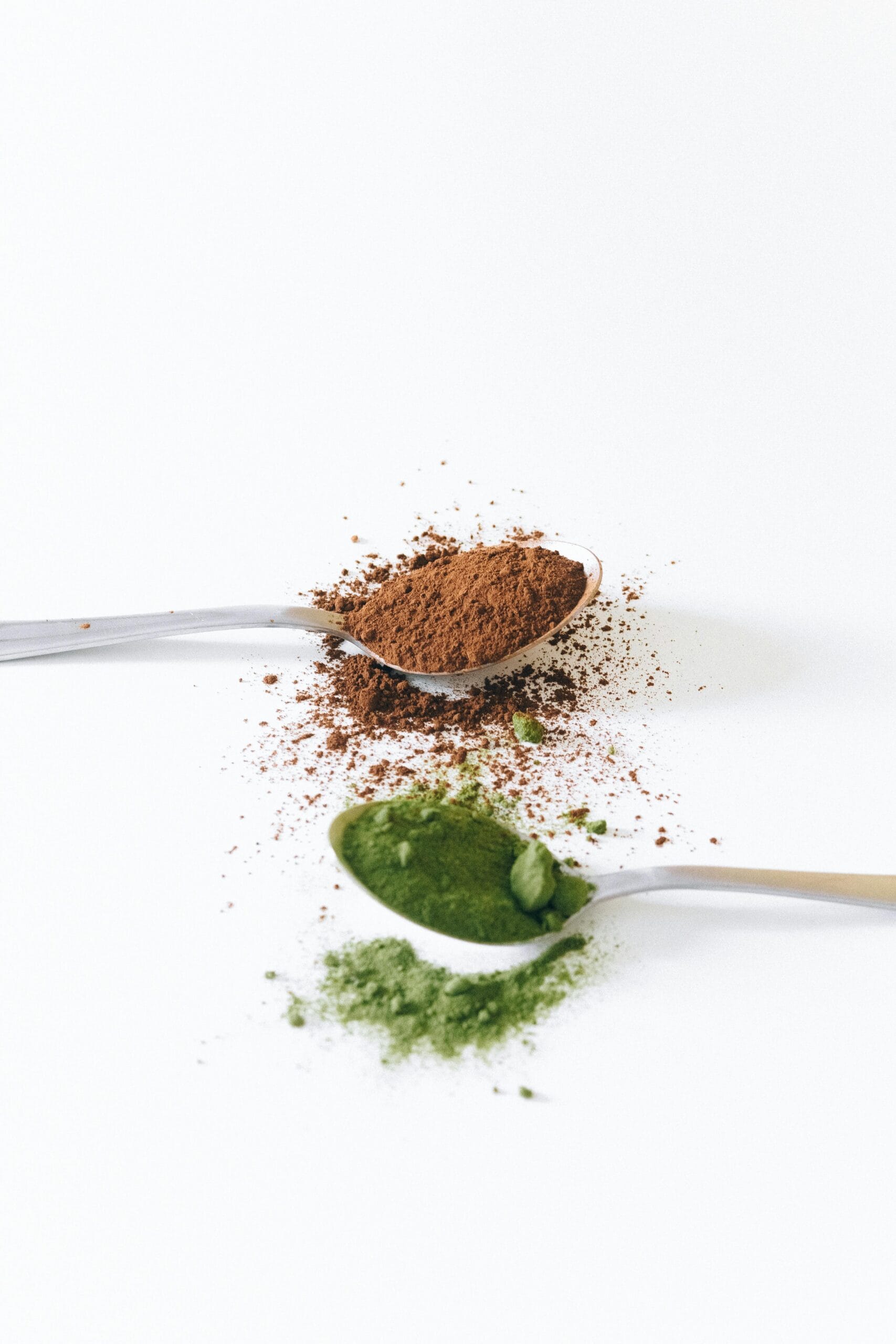
Effective research dose: Most studies showing benefits use 5-10 grams of dried moringa leaf powder daily. That’s roughly 1-2 teaspoons.
Timing that matters: Take moringa with food containing some fat (the fat-soluble vitamins A, E, and K absorb better this way). Many women split the dose—half with breakfast, half with lunch—rather than taking it all at once.
What NOT to do: Don’t take moringa on an empty stomach initially (can cause nausea). Don’t expect immediate energy like caffeine. Don’t exceed 10 grams daily without medical supervision Avoid mixing with very hot liquids, which may degrade some heat-sensitive nutrients.
The powder vs. capsule challenge: Here’s the honest problem most women run into—moringa powder tastes bitter and earthy (think matcha’s less-refined cousin). You can mix it into smoothies or yogurt, but that bitter taste makes daily consistency hard. Research timelines require 8-12 weeks of consistent use, but if you’re choking down bitter smoothies, you’ll quit at week 3.
One crucial detail most research shows: Whole leaf powder matters more than extracts. Studies showing benefits used whole dried leaf powder, which contains the full spectrum of compounds working together. Extracts isolate specific compounds but lose the synergistic effects.
Extracts isolate specific compounds but may lose the cooperative effects that make moringa effective.
The Practical Solution Most Women Choose
If you’re considering trying moringa based on what we’ve covered, Moringa Magic solves the consistency problem while matching research criteria:
- 100% pure moringa leaf powder in capsules—no fillers or extracts. Just whole leaf in a form you’ll actually take daily for 8-12 weeks without the bitter taste battle.
- The dose that research used—you can reach 5-10 grams daily without swallowing 20 pills.
- 60-day money-back guarantee—longer than the 8-week timeline studies measured. You can complete the full protocol and still get your money back if it doesn’t help your specific pattern.
- 13,176+ reviews—way more feedback than a handful of testimonials.
- Pricing: $79 (1 bottle), $177 (3 bottles), or $294 (6 bottles – works out to $1.63/day). The 6-bottle option includes free shipping and 2 wellness eBooks.
Here’s what’s interesting: 98% of customers choose the 6-bottle package. Probably because they understand the 8-12 week timeline means running out at week 6—right when inflammation markers start declining—would be frustrating.
For the “Bloated & Foggy” pattern specifically (afternoon crashes + digestive issues), this delivers the whole leaf powder that research shows helps with inflammation, gut barrier repair, and nutrient absorption.
Ready to feel the difference? Learn more about Moringa Magic →
Full transparency: If you choose to purchase through the link above, we may earn a small commission at no extra cost to you. We only recommend products that meet the quality and research standards discussed in this article. There’s never any obligation to buy, and this information isn’t a substitute for personalized medical guidance about what’s right for your health.
How Do You Know If Moringa Is Actually Working?
Unlike stimulants (where you feel a rush within 30 minutes), moringa’s effects are subtle and gradual. Here’s what to track:
Energy pattern changes: Are your afternoon crashes less severe? Does your 3 PM exhaustion feel less heavy? This typically emerges around week 3-4.
Mental clarity: Brain fog reduction often appears before physical energy increases. If you’re noticing you can focus better during tasks that previously felt overwhelming, that’s a positive sign.
Digestive shifts: Many women notice reduced bloating or more regular bowel movements before they notice energy changes. This suggests the gut barrier repair is beginning.
Inflammation markers: If you have regular bloodwork, watch inflammatory markers like C-reactive protein or fasting glucose. These may improve before you subjectively feel different.

What shouldn’t happen: You shouldn’t feel jittery, experience insomnia, or notice a “crash” after initial energy. Those responses suggest stimulants, not the anti-inflammatory mechanism moringa uses.
Keep notes for 4 weeks minimum. If you’re seeing no changes in energy, digestion, or mental clarity by week 6, moringa may not be addressing your primary energy drain. This brings us back to the energy patterns: moringa targets Pattern 5 (inflammation/gut dysfunction) most effectively. If your fatigue stems primarily from iron deficiency (Pattern 4) or thyroid dysfunction (Pattern 3), you need different interventions.
This is why I always recommend starting with my Energy Detective Starter Guide —it helps you identify which pattern is driving your fatigue before you spend money on supplements that may not match your needs.
What Should You Watch For When Buying Moringa?
Not all moringa products deliver what research showed works:

Here are the red flags I’ve identified while researching quality standards:
❌ “Moringa extract” or “10:1 concentrated extract”: Research uses whole leaf powder. Extracts isolate compounds but lose the synergistic effects that make moringa effective. They’re also easier to adulterate.
❌ No country-of-origin information: Moringa from regions with heavy metal soil contamination (particularly lead and arsenic) can be dangerous. Quality brands specify sourcing and provide testing certificates.
❌ Proprietary blends: If the label says “Moringa Blend” without specifying how many grams of actual moringa per serving, you’re probably getting mostly filler.
❌ Capsules with many ingredients: Moringa works best as a standalone powder. Products mixing moringa with 8 other herbs reduce the dose below research-effective levels.
❌ Suspiciously cheap: Quality organic moringa, tested for contaminants, costs more to produce. If it’s dramatically cheaper than other brands, ask why.
What matters: Whole leaf powder, clear dosing (grams per serving), capsule form for consistency.
The market is flooded with low-quality moringa because it’s trending.
Do the basic verification before buying.
What You’ve Been Asking Us
Yes, but with monitoring. Moringa may affect thyroid hormone levels, though research is mixed on exactly how. If you take levothyroxine or other thyroid medication, start with a low dose (1-2 grams daily) and retest your thyroid levels after 6-8 weeks. Work with your doctor to adjust medication if needed—moringa is complementary support, not a replacement for prescribed treatment.
Most women taking thyroid medication use moringa without issues when they start conservatively and monitor levels. The key is awareness and communication with your healthcare provider, not automatic avoidance. For detailed safety information, see our guide: [Can You Take Moringa with Thyroid Medication?
The most important interactions to watch:
Blood sugar medications: Moringa has mild blood sugar-lowering effects (remember that mechanism we discussed about improving insulin sensitivity?). If you take diabetes medications, monitor glucose carefully and work with your doctor—you may need medication adjustments as moringa improves your metabolic function.
Blood pressure medications: Moringa may enhance the effects of blood pressure drugs. This isn’t necessarily bad—it might mean you need less medication—but it requires monitoring.
Blood thinners (warfarin): There’s theoretical concern due to moringa’s vitamin K content, though this hasn’t been confirmed in human studies. If you take warfarin, discuss moringa with your doctor and potentially monitor your INR more frequently when starting.
Other supplements: For most common supplements (multivitamin, fish oil, vitamin D, magnesium), interactions are unlikely. Moringa’s nutrients might actually enhance absorption of fat-soluble vitamins from other supplements when taken together with food.
The pattern here: moringa works with your body’s systems, so if you’re on medications that affect those same systems, coordination matters. Always inform your healthcare provider about supplements you’re taking.
Moringa isn’t a weight loss supplement—it doesn’t directly burn fat or suppress appetite. However, the mechanisms we discussed (reduced inflammation, improved gut barrier, better blood sugar stability) can indirectly support metabolic health. Some women notice modest weight changes after 8-12 weeks, but it’s inconsistent and typically small (2-5 pounds).
What’s more common: reduced bloating (from gut barrier repair) and improved body composition (from better nutrient absorption supporting muscle maintenance). This might not show on the scale but shows in how clothes fit.
If weight loss is your primary goal, focus on evidence-based interventions: protein intake, resistance training, sleep quality, stress management. If you’re taking moringa for the “Bloated & Foggy” pattern, any metabolic improvements are a bonus, not the main benefit.
This is the wrong comparison—they do fundamentally different things. Think of it this way:
A multivitamin provides isolated nutrients in synthetic forms. It’s like dropping individual construction materials at a job site—useful, but only if workers can use them effectively.
Moringa provides three things multivitamins don’t:
First, bioavailable nutrients with natural cofactors. That iron comes with vitamin C for absorption. The calcium includes vitamin K for bone deposition. Your body recognizes these compound-nutrient pairings and uses them more efficiently than synthetic isolates.
Second, anti-inflammatory compounds that reduce the inflammatory energy drain we discussed throughout this article—isothiocyanates, quercetin, chlorogenic acid. These aren’t vitamins. They’re therapeutic compounds that address why you’re exhausted, not just what you’re deficient in.
Third, gut barrier repair. Moringa strengthens the intestinal tight junctions that allow you to absorb nutrients from food and supplements in the first place. A multivitamin doesn’t fix the absorption issue blocking your energy.
Here’s the practical approach: If you have a diagnosed severe deficiency (like vitamin D below 20 ng/mL or B12 below 200 pg/mL), targeted high-dose supplementation works faster than moringa alone. But if your issue is the “Bloated & Foggy” pattern—inflammation and gut dysfunction blocking energy production—moringa addresses root causes that multivitamins don’t touch.
As we explain in our complete supplement vetting guide, different fatigue patterns need different interventions. Moringa works best for Pattern 5 (inflammation and gut dysfunction), not for correcting specific isolated deficiencies.
One bottle of Moringa Magic contains a 30-day supply at the standard research dose (3 capsules daily, providing approximately 1,500mg). However, studies showing energy benefits used 5-10 grams daily, which means some women take 6 capsules daily (3,000mg) for optimal results.
At 3 capsules daily: 1 bottle = 30 days | 3 bottles = 90 days | 6 bottles = 180 days
At 6 capsules daily: 1 bottle = 15 days | 3 bottles = 45 days | 6 bottles = 90 days
Since research shows benefits emerging at 8-12 weeks, most women choose the 6-bottle option to ensure consistent supply throughout the full timeline. Running out at week 6—right when inflammatory markers typically start declining—means interrupting the protocol before seeing results.
Both contain the same whole leaf powder and deliver the same nutrients—the difference is practical consistency. Moringa powder costs less per gram but tastes bitter and earthy (like matcha’s less-refined cousin). You need to mix it into smoothies, yogurt, or food daily, and that taste barrier causes most people to quit around week 3.
Capsules cost slightly more but solve the compliance problem: no bitter taste, precise dosing, portable, and easy to take consistently for the 8-12 weeks research shows are needed. Studies showing energy benefits, inflammation reduction, and gut barrier repair all used whole leaf powder—but they didn’t account for real-world compliance.
If you can tolerate bitter powder daily for 12 weeks, it works fine. But if consistency is your challenge, capsules deliver the same research benefits in a form you’ll actually stick with.
Moringa doesn’t directly address hot flashes the way hormone therapy or certain herbs (black cohosh, red clover) might. However, some women report improved tolerance of menopause symptoms after 8-12 weeks of consistent use—likely because moringa reduces the underlying inflammation that can worsen symptom intensity.
Research shows moringa lowers inflammatory markers (malondialdehyde, C-reactive protein) in postmenopausal women. Since inflammation amplifies vasomotor symptoms (hot flashes, night sweats), reducing systemic inflammation may indirectly ease symptom severity. But this is a secondary benefit, not a primary mechanism.
If hot flashes are your main concern, start with evidence-based interventions proven for vasomotor symptoms. If you’re trying moringa for energy and inflammation, improved hot flash tolerance might be a welcome bonus after 8-12 weeks.
Key Takeaways on Moringa Benefits for Women Over 45
Here’s what we know from peer-reviewed research:
Moringa leaf powder reduces inflammatory markers, supports gut barrier integrity, and provides dense nutrition in bioavailable forms—three mechanisms that address common perimenopause energy drains.
Benefits typically emerge around week 3-4, with optimal effects at 8-12 weeks of consistent use..
Moringa works best for the “Bloated & Foggy” energy pattern (Pattern 5)—women experiencing afternoon crashes paired with digestive issues and inflammation-related fatigue.
It won’t work like caffeine (no immediate energy boost) and it’s not a magic solution for all types of midlife fatigue.
Quality matters enormously: whole leaf powder at research doses (5-10g daily), without fillers or extracts.
If your fatigue stems primarily from iron deficiency, thyroid dysfunction, or sleep disorders, moringa alone won’t resolve it—though it may support overall wellness. Supplements work best as part of a broader strategy. Sleep, stress management, and nutrient-dense food remain foundational. Moringa enhances these foundations—it doesn’t replace them.
Start with the Energy Detective Starter Guide to identify which pattern is driving your fatigue.
For women whose energy issues center on inflammation and gut dysfunction, moringa offers a research-backed option worth trying. The challenge is finding a form you’ll actually use consistently for 8-12 weeks—which is why most women choose capsule forms like Moringa Magic over bitter powder.
Your next step: If the “Bloated & Foggy” pattern sounds like you, start with a 60-day trial—long enough to complete the research timeline and see if moringa addresses your specific pattern.
References
- Vergara-Jimenez M, Almatrafi MM, Fernandez ML. Bioactive Components in Moringa Oleifera Leaves Protect against Chronic Disease. Antioxidants. 2017;6(4):91. doi:10.3390/antiox6040091
- Stohs SJ, Hartman MJ. Review of the Safety and Efficacy of Moringa oleifera. Phytotherapy Research. 2015;29(6):796-804. doi:10.1002/ptr.5325
- Waterman C, Rojas-Silva P, Tumer TB, et al. Isothiocyanate-rich Moringa oleifera extract reduces weight gain, insulin resistance, and hepatic gluconeogenesis in mice. Journal of Food Science and Technology. 2015;52(3):1316-1325. doi:10.1007/s13197-013-1047-x
- Jaja-Chimedza A, Graf BL, Simmler C, et al. Biochemical characterization and anti-inflammatory properties of an isothiocyanate-enriched moringa (Moringa oleifera) seed extract. PLoS ONE. 2017;12(8):e0182658. doi:10.1371/journal.pone.0182658
- Leone A, Spada A, Battezzati A, Schiraldi A, Aristil J, Bertoli S. Cultivation, Genetic, Ethnopharmacology, Phytochemistry and Pharmacology of Moringa oleifera Leaves: An Overview. International Journal of Molecular Sciences. 2015;16(6):12791-12835. doi:10.3390/ijms160612791
- Kushwaha S, Chawla P, Kochhar A. Effect of supplementation of drumstick (Moringa oleifera) and amaranth (Amaranthus tricolor) leaves powder on antioxidant profile and oxidative status among postmenopausal women. Journal of Food Science and Technology. 2014;51(11):3464-3469. doi:10.1007/s13197-012-0859-9
- Randriamboavonjy JI, Loirand G, Vaillant N, et al. Cardiac Protective Effects of Moringa oleifera Seeds in Spontaneous Hypertensive Rats. American Journal of Hypertension. 2016;29(7):873-881. doi:10.1093/ajh/hpw001
Some of the links on this page are affiliate links. If you make a purchase through one, we may earn a small commission — at no extra cost to you. It’s how we’re able to keep researching and publishing free, accessible guidance for women who need it.