You ordered moringa tea after reading about the energy benefits—blood sugar stability, steady afternoon energy, no more desperate 3 PM sugar cravings.
The package arrived. You opened it, smelled the earthy green powder, felt optimistic. You boiled water, measured a teaspoon, poured, steeped for five minutes like the package said.
You took a sip.
It tasted like you were drinking a lawn. Earthy, bitter, with an aftertaste that lingered like you’d eaten grass clippings.
You added honey. Still terrible. You added lemon. Slightly better, but not enough to make you want to drink it daily. You forced down half the cup, dumped the rest, and put the bag in the cabinet where it sits now—95% full, a $24 reminder of another wellness thing that didn’t work out.
Here’s the truth nobody tells you before you buy moringa tea: it tastes objectively bad to most people. Not an acquired taste. Not “you’ll get used to it.” Just bad.
But you can make it tolerable. Not delicious—tolerable. Here are five recipes that mask the bitterness enough to make moringa tea drinkable, when each recipe works best, and—critically—when to admit that tea isn’t worth the effort and capsules are the better choice.
Why Moringa Tea Tastes the Way It Does (And Why You Can’t “Fix” It)
Moringa tastes earthy and bitter because of the plant compounds that provide its benefits: polyphenols (antioxidants), chlorophyll (the green pigment in plants), isothiocyanates (sulfur-containing compounds that support detoxification).

These are the same compounds research shows stabilize blood sugar, reduce inflammation, and provide micronutrients. You can’t remove them without losing the benefits.
This is different from black or green tea, which undergoes fermentation or oxidation that mellows the flavor. Moringa leaf is dried and ground—no processing to reduce bitterness.
Comparison to other “green” supplements:
- Matcha: Also bitter, but has cultural cachet and familiarity (people expect it to taste earthy)
- Spirulina: Tastes swampy, fishy—most people hide it in smoothies
- Wheatgrass: Sharp, grassy, intensely bitter
- Moringa: Earthy, bitter, slightly grassy—falls between matcha and wheatgrass on the palatability scale
If you like matcha, you might tolerate moringa. If you hate spirulina or wheatgrass, you’ll probably hate moringa tea too.
Realistic Expectation: Tolerable, Not Delicious
The recipes below don’t make moringa tea taste good. They make it tolerable—drinkable without gagging, manageable enough to finish a cup.
If you’re hoping for a recipe that transforms moringa tea into something you genuinely enjoy, that doesn’t exist. The best you can do is mask the bitterness with stronger flavors.
If that’s not acceptable—if you need supplements to taste pleasant or neutral—skip ahead to the section on capsules. There’s no shame in admitting that tea isn’t the right delivery method for you.
5 Recipes That Make Moringa Tea Drinkable
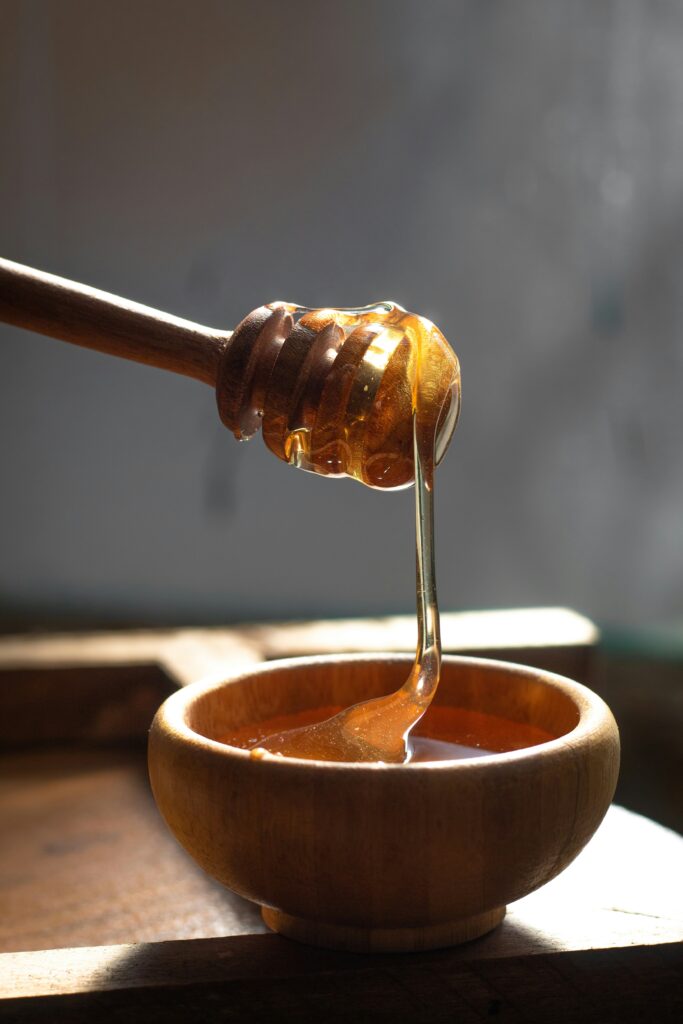
Recipe 1: Ginger-Honey Moringa
Ingredients:
- 1 tsp moringa powder (or 1 moringa tea bag)
- 1-inch piece fresh ginger, thinly sliced
- 1 tbsp raw honey
- 8 oz hot water (180°F, not boiling)
Instructions:
- Boil water and let cool to 180°F (about 2 minutes after boiling)
- Add moringa powder and sliced ginger to cup
- Pour hot water, stir
- Steep 5-7 minutes
- Strain out ginger (or leave in if you like the intensity)
- Add honey while tea is still hot, stir until dissolved
Why this works:
Ginger’s sharp, spicy flavor dominates the earthy moringa taste. The heat from ginger masks the bitterness, and honey adds sweetness that balances both. This is the most universally tolerable recipe—if you’re going to try one, try this one.
Best for:
Cold mornings, digestive support (ginger aids digestion), people who like spicy/warming flavors.
Tip: Use fresh ginger, not powdered. Fresh ginger has more flavor intensity and less harshness.
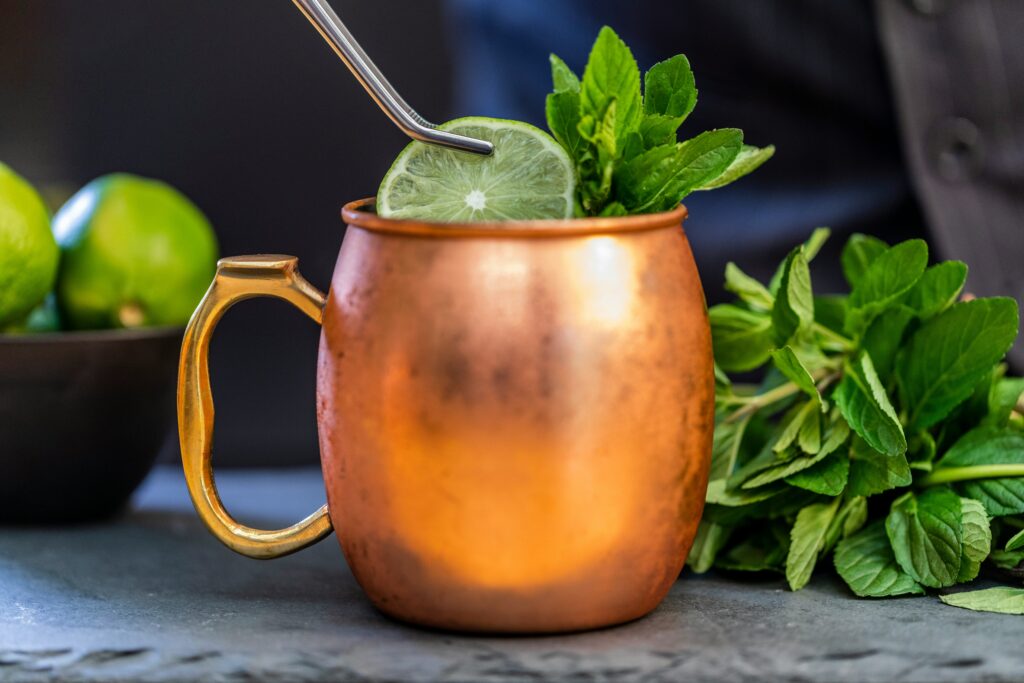
Recipe 2: Lemon-Mint Moringa
Ingredients:
- 1 tsp moringa powder
- Juice of ½ fresh lemon (about 1 tbsp)
- 4-5 fresh mint leaves
- 8 oz hot water (180°F)
- Optional: 1 tsp honey or stevia
Instructions:
- Heat water to 180°F
- Add moringa powder to cup, pour water, stir
- Steep 5 minutes
- Remove from heat, add lemon juice and mint leaves
- Let sit 2 minutes (mint infuses into warm tea)
- Remove mint leaves, add honey if desired
Why this works:
Lemon’s citrus brightness cuts through earthy bitterness. Mint adds freshness and coolness that contrasts with moringa’s heavy flavor. The combination creates a more complex taste that distracts from the moringa.
Best for:
Afternoon tea, hot days (can be served iced—see below), people who prefer refreshing over warming flavors.
Tip: Add lemon AFTER steeping, not during. High heat degrades vitamin C in lemon juice.
Recipe 3: Chai-Spiced Moringa

Ingredients:
- 1 tsp moringa powder
- ½ tsp cinnamon
- ¼ tsp cardamom
- ⅛ tsp ground ginger (or fresh ginger slice)
- Pinch black pepper
- 8 oz hot water
- 2 oz milk (dairy, oat, or almond)
- 1 tsp honey or maple syrup
Instructions:
- Combine moringa powder and spices in cup
- Pour 8 oz hot water (180°F), stir well
- Steep 5 minutes
- Add milk and sweetener
- Stir thoroughly (spices can settle at bottom)
Why this works:
Chai spices (cinnamon, cardamom, ginger, pepper) completely dominate the flavor profile. The moringa becomes background—you taste chai first, moringa second (barely). Milk smooths out any remaining bitterness and makes the tea creamy.
Best for:
Morning routine (chai is a familiar breakfast tea), people who love spiced tea, cold weather.
Tip: This is the most effective recipe for hiding moringa’s taste. If you’ve tried others and still struggle, try this one.
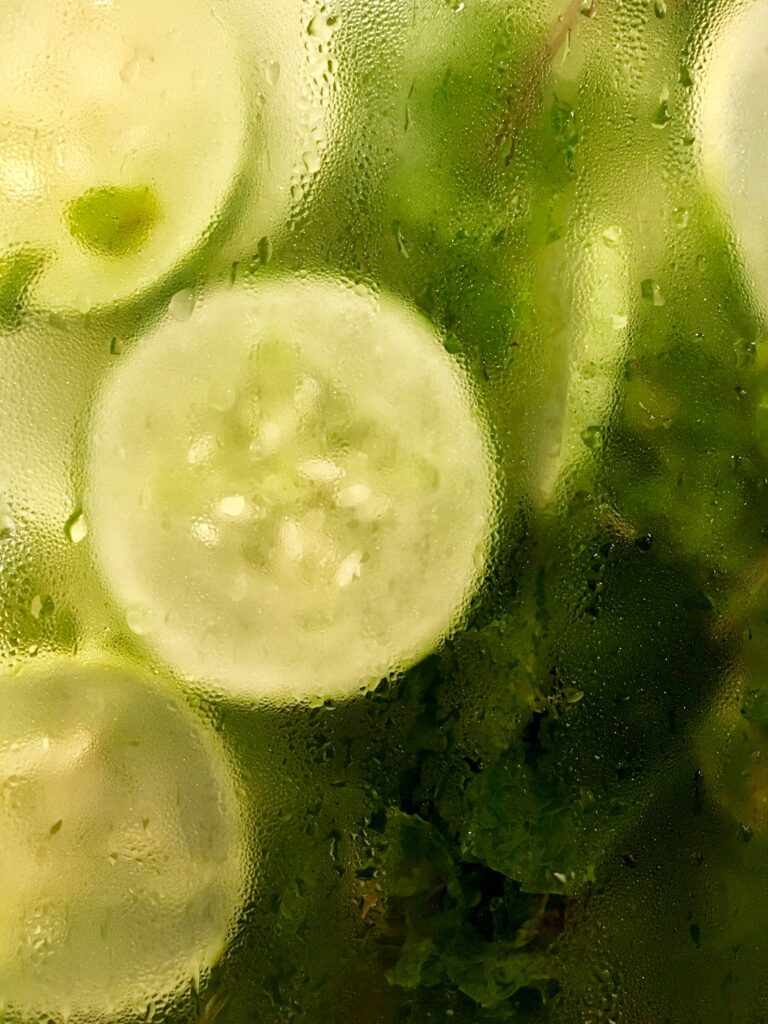
Recipe 4: Iced Moringa with Cucumber
Ingredients:
- 1 tsp moringa powder
- 4 thin cucumber slices
- 12 oz water (hot for steeping, then iced)
- Ice cubes
- Optional: fresh basil or mint
Instructions:
- Steep moringa in 6 oz hot water (180°F) for 5 minutes
- Let cool to room temperature (or refrigerate)
- Pour over ice and add 6 oz cold water
- Add cucumber slices
- Let sit 5 minutes (cucumber infuses subtle flavor)
- Optional: muddle 2-3 basil or mint leaves for extra freshness
Why this works:
Cold temperature dulls bitter taste perception (your taste buds are less sensitive to bitter when things are cold). Cucumber adds subtle freshness without competing flavors. This is the most spa-like, refreshing version.
Best for:
Summer, afternoons, people who don’t like hot beverages, post-workout hydration.
Tip: Make a batch in the morning, refrigerate, drink throughout the day. Easier than brewing multiple hot cups.
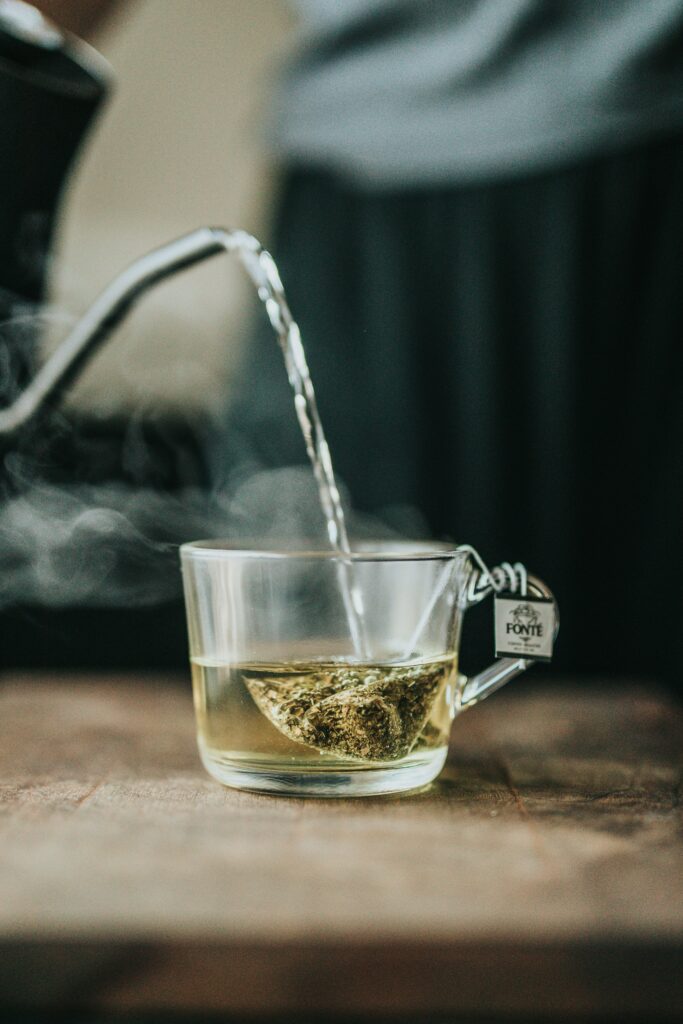
Recipe 5: Green Tea Moringa Blend
Ingredients:
- ½ tsp moringa powder (half the usual amount)
- 1 green tea bag (or 1 tsp loose leaf green tea)
- 8 oz hot water (175°F—cooler than moringa alone)
- Optional: honey, lemon
Instructions:
- Heat water to 175°F (green tea burns at higher temps)
- Add green tea bag and moringa powder to cup
- Pour water, stir
- Steep 3-4 minutes (longer = more bitter from both teas)
- Remove tea bag
- Add honey or lemon if desired
Why this works:
Green tea’s familiar flavor masks moringa. You’re tasting green tea (which you probably already tolerate) with a subtle earthy undertone. This uses less moringa (½ tsp instead of 1 tsp), so bitterness is reduced.
Best for:
People who already drink green tea daily, gentle introduction to moringa taste, combining antioxidants from both plants.
Tip: This is a good “gateway” recipe. Start here, then gradually increase moringa ratio as you adjust to the taste.
The Dosing Problem (You’re Still Not Getting Enough)
These recipes make moringa tea palatable, but they don’t solve the fundamental problem: inconsistent and inadequate dosing.
Research showing benefits for blood sugar stability and energy uses 1,500-3,000mg moringa daily.
The recipes above use 1 teaspoon moringa powder per cup, which is approximately 1,000-2,000mg depending on:
- How packed the teaspoon is
- Powder density (varies by brand)
- How finely ground the powder is
So one cup provides roughly 1,000-2,000mg at best—the low end of therapeutic dosing.
To reach 3,000mg daily (the dose showing the most significant blood sugar improvements in research), you’d need:
- 2-3 cups daily if using 1 tsp per cup
- Brewed consistently
- At the right temperature
- Steeped for the right time
- Actually finished (not dumped halfway because it’s still unpleasant)
The Compliance Reality
Even with these recipes, drinking 2-3 cups of moringa tea daily is a commitment most people can’t sustain:
- Time: 10+ minutes per cup (boiling, steeping, preparing ingredients, cleanup) = 20-30 minutes daily
- Taste: Even masked, it’s not enjoyable—it’s tolerable
- Consistency: Easy to forget, skip when busy, or abandon when traveling
- Motivation: After two weeks, the novelty wears off and brewing tea feels like a chore
What starts as “I’ll drink moringa tea every day for energy” becomes “I’ll drink it most days” becomes “I’ll drink it when I remember” becomes “the bag sits in the cabinet unused.”
This isn’t a personal failure. It’s a predictable outcome when a supplement format has multiple compliance barriers (taste, time, inconsistency).
When Tea Isn’t Worth the Effort (And When to Switch to Capsules)
Tea is appropriate in specific situations. For everyone else, capsules are more practical.
When Tea Makes Sense:
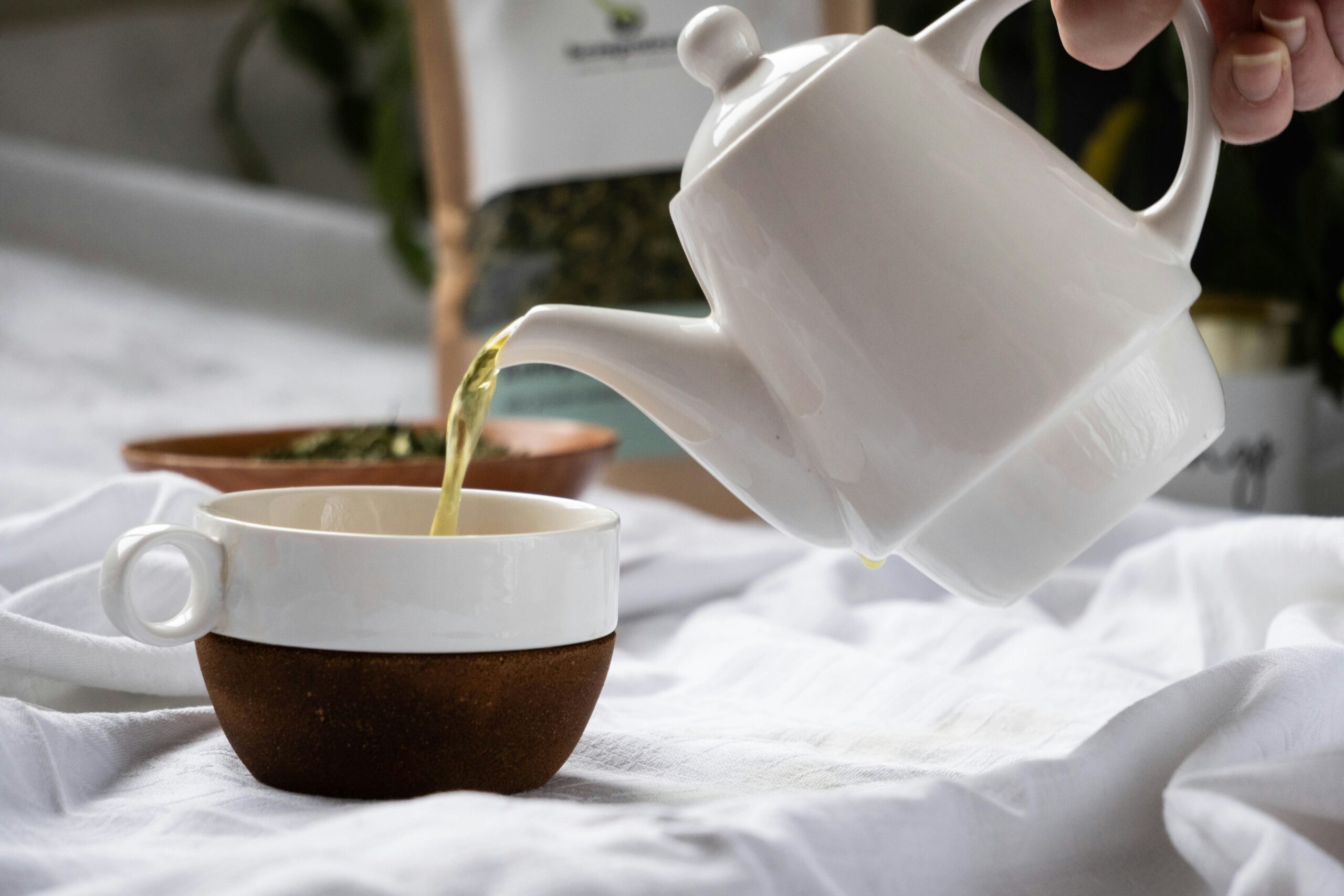
1. You genuinely enjoy one of these recipes
If chai-spiced moringa or ginger-honey moringa tastes good enough that you look forward to drinking it, tea works. But be honest—are you drinking it because you enjoy it, or because you feel like you “should”?
2. The ritual matters as much as the supplement
If brewing tea is meditative for you—the act of boiling water, steeping, sitting down with a warm cup creates a pause in your day—that ritual has value beyond the moringa itself.
3. You’re using moringa for general wellness, not targeted outcomes
If you want broad antioxidant support or nutritional supplementation—not specifically trying to eliminate afternoon crashes or stabilize blood sugar—one cup daily at 1,000mg is fine.
4. You’re consistent and committed
If you’re genuinely drinking 2-3 cups daily, every day, at therapeutic doses, and you’re tracking whether it’s working—tea can work. But most people aren’t this consistent.
When Capsules Are the Better Choice:
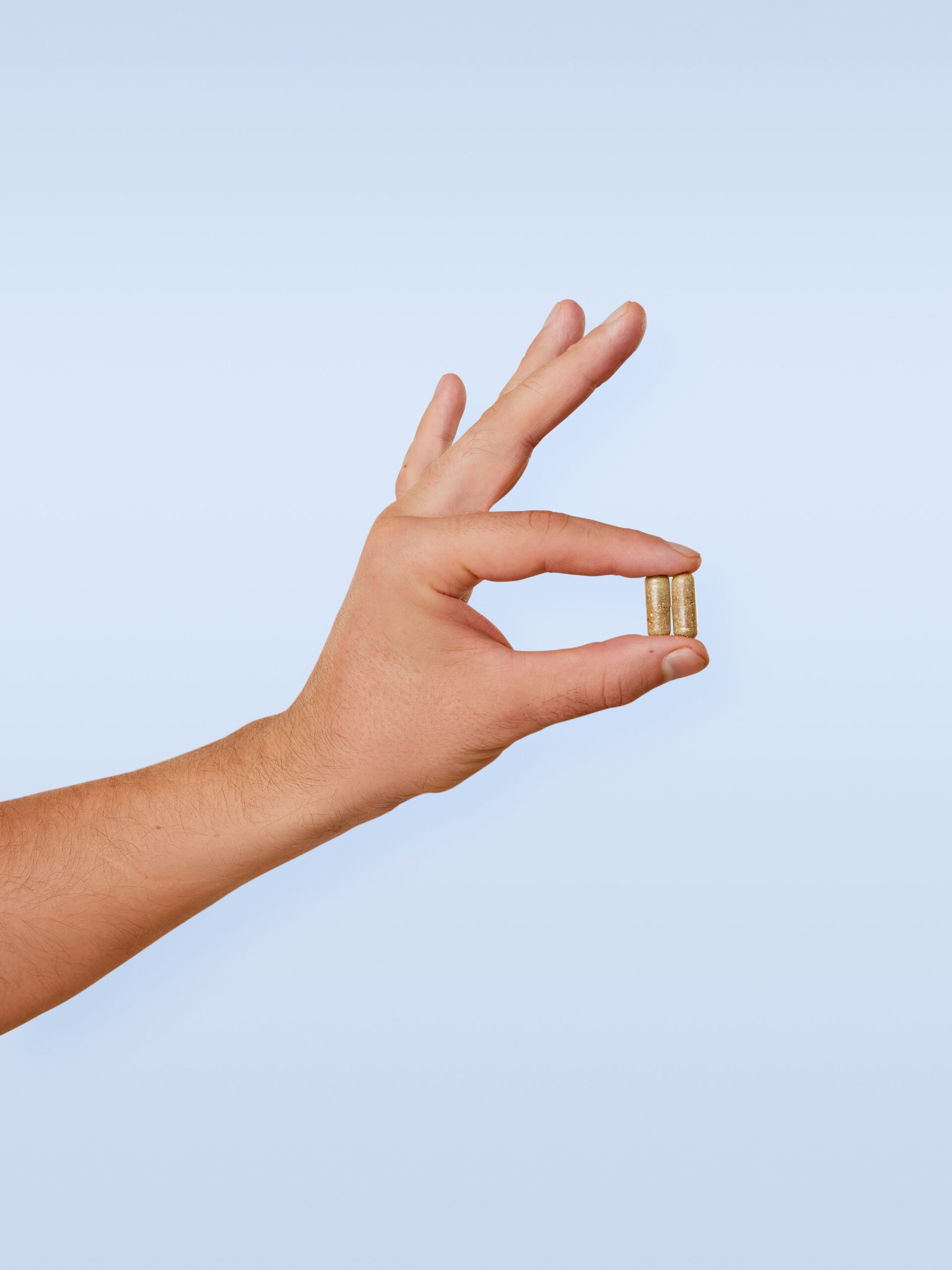
1. You need consistent doses for measurable results
If your goal is blood sugar stability, steady energy, or reducing afternoon crashes, capsules provide exact doses (1,500-3,000mg daily) without guessing.
2. You’ve tried multiple recipes and still can’t tolerate the taste
If you’ve tried ginger-honey, chai-spiced, and lemon-mint and you still dread drinking moringa tea, stop forcing yourself. Capsules taste like nothing—you swallow them with water in 5 seconds.
3. Time and convenience matter
If brewing tea 2-3 times daily feels overwhelming or unsustainable, capsules take 30 seconds. No boiling, steeping, cleanup. Just swallow and move on.
4. You want to track whether it’s working
Consistent dosing (e.g., 2,000mg daily in capsules) lets you assess effectiveness after 6-8 weeks. With tea, inconsistent dosing makes it impossible to know if “not working” means “moringa doesn’t help me” or “I wasn’t getting enough.”
5. You’re inconsistent with supplements that require effort
If you have a history of buying supplements that require prep (protein powder, collagen in coffee, herbal teas) and abandoning them after two weeks, skip straight to capsules. Better to take a convenient supplement consistently than an inconvenient one sporadically.
Capsules: The “No Taste, No Effort, Consistent Dose” Alternative
If you’ve read this far and thought, “Even with recipes, I know I won’t drink moringa tea regularly,” here’s the alternative:
Moringa capsules deliver the same organic moringa leaf powder, but encapsulated. No taste. No brewing. No cleanup. Exact dosing.
If you recognize this pattern: Fine in the morning, crash after lunch, desperate for sugar by 3 PM, exhausted by dinner—moringa at 1,500-3,000mg daily stabilizes blood sugar and prevents these crashes. Capsules deliver research-backed doses without compliance barriers.
Why capsules work better than tea for most people:
- Zero taste: Swallow with water, no bitterness
- Exact dosing: 500mg per capsule, take 3-4 = 1,500-2,000mg (research-backed dose)
- 30 seconds: No brewing, steeping, or prep
- Consistent: Easy to take daily, hard to forget
- Trackable: Consistent dose means you can assess whether it’s working after 6-8 weeks
Ready to experience these benefits for yourself?
Moringa Magic delivers 100% pure moringa in convenient capsule form—no bitter taste, just results.
What makes it different?

✓ Easy-to-swallow capsules that work

✓ 100% pure moringa leaves (zero fillers or additives)

✓ Backed by 13,176+ verified customer reviews

✓ Risk-free 60-day money-back guarantee
Moringa Magic capsules provide 500mg organic moringa per capsule. Take 3-4 capsules daily with breakfast (1,500-2,000mg total) for blood sugar stability throughout the day.
Timeline:
Week 3-4: Fewer crashes after meals. Week 6-8: Steadier energy, reduced sugar cravings. Week 12+: Sustained benefit.
Cost comparison:
Moringa tea: $15-25/month if you drink 1 cup daily (underdosed)
Moringa capsules: $45-65/month at therapeutic doses (1,500-2,000mg daily)
Yes, capsules cost more. But they work because you actually take them consistently at adequate doses—which tea rarely delivers.
Common Questions We Hear
Is loose leaf moringa better than tea bags?
Loose leaf usually contains more moringa per serving (you control the amount) and is often fresher (less processed, shorter shelf time between packaging and purchase). Tea bags are convenient but often underdosed—many contain 1-2g total weight including filler herbs, meaning actual moringa content might be 500-1,000mg per bag. If using tea bags, check the label for actual moringa content, not just total tea weight.
u003cstrongu003eCan I add milk or does that reduce benefits?u003c/strongu003e
Milk doesn’t significantly reduce moringa’s benefits. Some studies suggest dairy calcium can bind to certain plant compounds (reducing absorption slightly), but the effect is minor. If milk makes moringa tea drinkable for you, use it—compliance matters more than a potential 5-10% reduction in absorption. Plant milks (oat, almond, coconut) have less calcium, so binding effect is even smaller.
u003cstrongu003eHow long should I steep moringa tea?u003c/strongu003e
5-7 minutes at 180°F (not boiling) for optimal extraction without destroying heat-sensitive compounds. Longer steep time (10+ minutes) extracts more compounds but also increases bitterness significantly. Shorter steep time (3 minutes) reduces bitterness but also reduces the amount of moringa you’re getting. 5-7 minutes is the sweet spot—maximum extraction with manageable taste.
u003cstrongu003eWhat’s the best time of day to drink moringa tea?u003c/strongu003e
Morning or with breakfast for blood sugar stability throughout the day. Moringa doesn’t contain caffeine and won’t interfere with sleep, so evening is fine too—but if you’re targeting blood sugar/energy, taking it in the morning provides benefits when you need them (preventing afternoon crashes). Avoid taking on an empty stomach if you have sensitive digestion—moringa can cause mild nausea in some people when taken without food.
u003cstrongu003eCan I cold-brew moringa tea overnight?u003c/strongu003e
Yes, though extraction is less efficient (cold water extracts fewer compounds than hot). Use 2 tsp moringa powder per 12 oz cold water, refrigerate overnight (8-12 hours), strain. The result is milder in flavor (good) but lower in concentration (bad if you need therapeutic doses). Cold-brew works for general wellness but not ideal for targeted blood sugar/energy support. If you want iced moringa tea, steep hot then cool (Recipe 4).
u003cstrongu003eDoes moringa tea expire or lose potency?u003c/strongu003e
Yes. Moringa powder oxidizes over time, degrading beneficial compounds (especially vitamin C and antioxidants). Use within 6 months of opening for maximum potency. Store in airtight container in cool, dark place (not near stove or in direct sunlight). If moringa smells musty or has changed color (bright green → dull brown), it’s degraded—toss it. Fresh moringa should smell grassy/earthy, not stale.
u003cstrongu003eWhat if I make tea with these recipes and still can’t finish a cup?u003c/strongu003e
Then capsules are your answer. There’s no shame in admitting the taste is intolerable. Moringa tea isn’t for everyone—and that’s fine. Better to take capsules consistently than force yourself to drink tea sporadically. The goal is getting adequate doses for results, not proving you can tolerate bitter tea. Choose the delivery method that works for your life.
Figure Out Whether Tea or Capsules Match Your Situation
Most women don’t know whether their energy issues stem from blood sugar instability, thyroid dysfunction, iron deficiency, or something else entirely.
The afternoon crash after lunch looks different from waking up exhausted no matter how much sleep you get. The “tired but wired” pattern isn’t the same as feeling heavy and cold all day.
The Energy Detective Guide helps you identify which of the five energy patterns you’re experiencing:
- Pattern recognition (which one matches your symptoms)
- Root cause for each pattern (blood sugar, thyroid, iron, adrenal, gut)
- What actually addresses each pattern (not generic “try this supplement”)
It’s designed for women who are tired of guessing and want to know what they’re actually dealing with.
More to Explore
If you’re comparing moringa tea vs. capsules directly: Tea provides inconsistent doses (100-400mg per cup depending on brewing), tastes bitter even with recipes, and requires 10+ minutes of prep. Capsules provide exact doses (500-750mg per capsule, take 2-4 for 1,500-3,000mg daily), have zero taste, and take 30 seconds. Tea works for casual use or if you enjoy the ritual. Capsules work for therapeutic doses targeting blood sugar and energy. There’s a complete comparison of when each form is appropriate, quality markers to look for, and why most women get better results with capsules.
If you’re wondering whether moringa has caffeine: Moringa contains zero caffeine but people report energy improvements—which creates confusion about mechanism. The answer: moringa doesn’t stimulate your central nervous system like coffee. It stabilizes blood sugar, preventing the crashes that cause afternoon exhaustion. This distinction matters because it tells you when moringa is appropriate (blood sugar instability, post-meal crashes) versus when caffeine is appropriate (morning alertness, acute fatigue). There’s a breakdown of how moringa provides energy without being a stimulant and who benefits most.
If you want to see the research on moringa specifically for women over 50: Moringa won’t stop hot flashes, replace HRT, or cure perimenopause (those are marketing lies). But research does show three specific benefits: 15-20% reduction in post-meal blood sugar spikes, 10-15% reduction in inflammatory markers (CRP, IL-6), and bioavailable micronutrients (iron, magnesium, B vitamins). The studies use 1,500-3,000mg daily—doses tea can’t reliably provide. There’s a complete guide to what the research actually shows, realistic timelines for results, and what these benefits mean practically for energy and function.
If blood sugar crashes are your primary symptom: The pattern of fine in the morning, crash after lunch, desperate for sugar by 3 PM is blood sugar instability—one of the most fixable energy drains women over 45 experience. Declining estrogen during perimenopause reduces insulin sensitivity, causing dramatic post-meal spikes and crashes. Moringa at 1,500-3,000mg daily reduces post-meal blood sugar spikes by 15-20%, eliminating the crashes that cause afternoon exhaustion. But blood sugar instability also disrupts sleep—if you’re waking at 3 AM wide awake, that’s often nocturnal hypoglycemia triggering cortisol. There’s a complete breakdown of why this happens and what stabilizes blood sugar overnight.
If you’ve tried multiple supplements and nothing works: After testing 30+ supplements over the years, only three made measurable differences: magnesium (sleep, muscle cramps), vitamin D (immune function, mood), and moringa (blood sugar stability). Everything else either did nothing or provided such minimal benefit the cost wasn’t justified. The supplements that work address specific deficiencies or dysfunctions—not vague wellness claims. There’s a breakdown of what didn’t work and why (CoQ10, collagen, random probiotics, turmeric), what works consistently, and how to figure out which category your supplements fall into.
If you’re wondering whether supplement quality matters: It does—especially for moringa. Moringa is a bioaccumulator, meaning it absorbs heavy metals, pesticides, and other contaminants from soil. Only buy organic, third-party tested moringa to avoid consuming lead, cadmium, or arsenic. The supplement industry is largely unregulated—25% of supplements tested contain less than the label claims or are contaminated. There’s a guide to what third-party testing (USP Verified, NSF Certified, ConsumerLab Approved) actually checks for, why it matters, and how to verify quality before buying.
References
- Gopalakrishnan, L., et al. (2016). Moringa oleifera: A review on nutritive importance and its medicinal application. Food Science and Human Wellness, 5(2), 49-56. https://doi.org/10.1016/j.fshw.2016.04.001
- Leone, A., et al. (2015). Cultivation, genetic, ethnopharmacology, phytochemistry and pharmacology of Moringa oleifera leaves: An overview. International Journal of Molecular Sciences, 16(6), 12791-12835. https://doi.org/10.3390/ijms160612791
- Vergara-Jimenez, M., et al. (2017). Bioactive components in Moringa oleifera leaves protect against chronic disease. Antioxidants, 6(4),
Medical Disclaimer
The information in this article is for educational purposes only and is not intended as medical advice. Always consult with a qualified healthcare provider before starting any new supplement, especially if you have diabetes, are taking blood sugar medications, thyroid medications, blood pressure medications, or have other health concerns. Moringa supplements are not intended to diagnose, treat, cure, or prevent any disease and should not replace prescribed medication without medical supervision.
Affiliate Disclosure
Serenis Naturals earns a commission when you purchase through our links, at no extra cost to you. We only recommend products that meet documented quality standards and are appropriate for the specific health concerns discussed in our articles.
Some of the links on this page are affiliate links. If you make a purchase through one, we may earn a small commission — at no extra cost to you. It’s how we’re able to keep researching and publishing free, accessible guidance for women who need it.
Understand your pattern before trying anything
The Energy Detective Guide walks you through the five exhaustion patterns most common in women over 45 — so what you try next is pointed at the right mechanism, not just the most popular supplement.
→ Get the Free Energy Detective Guide